A selection of past exhibitions featuring individual and collaborative works presented in galleries, museums, and arts organizations.
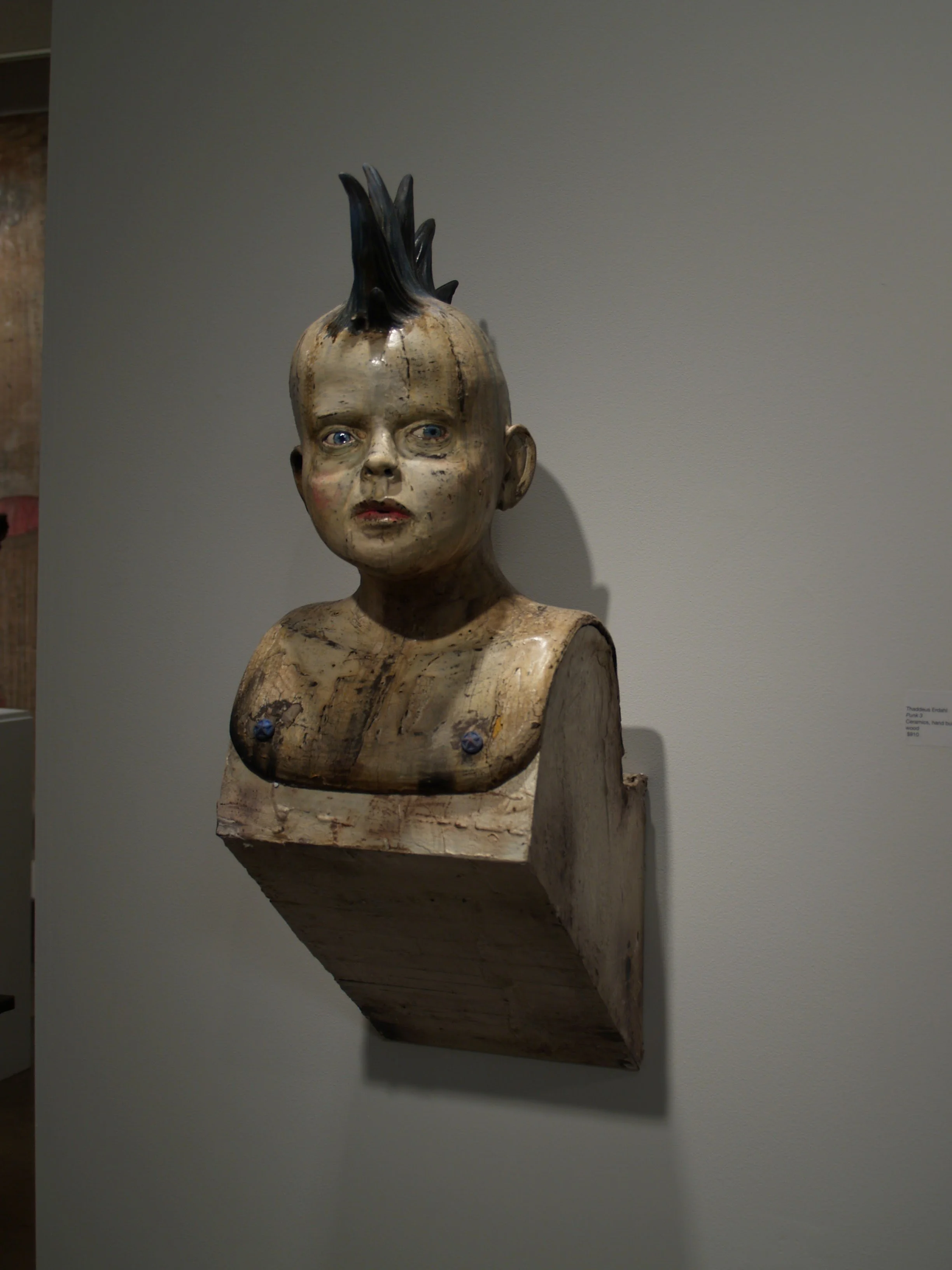
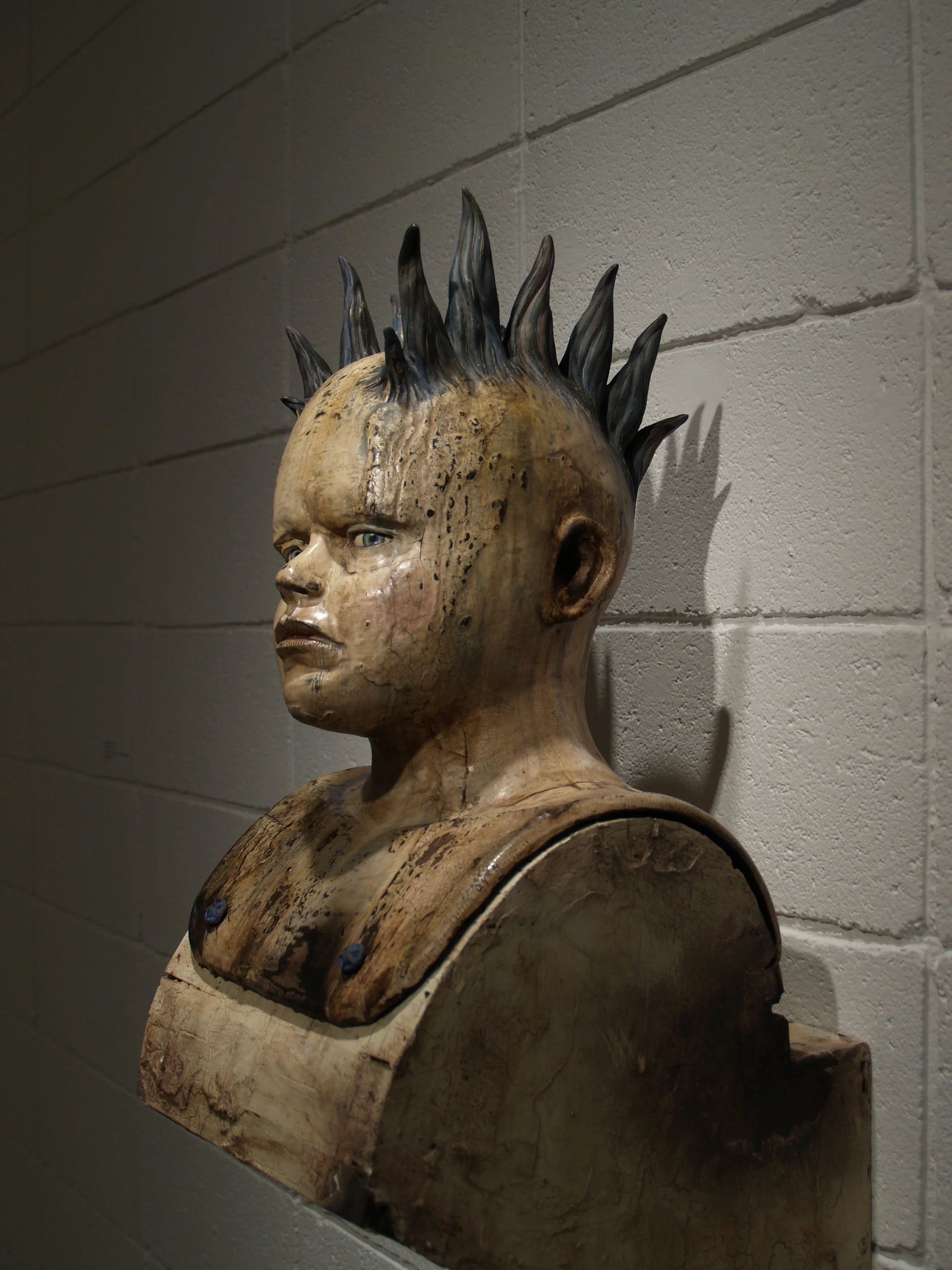
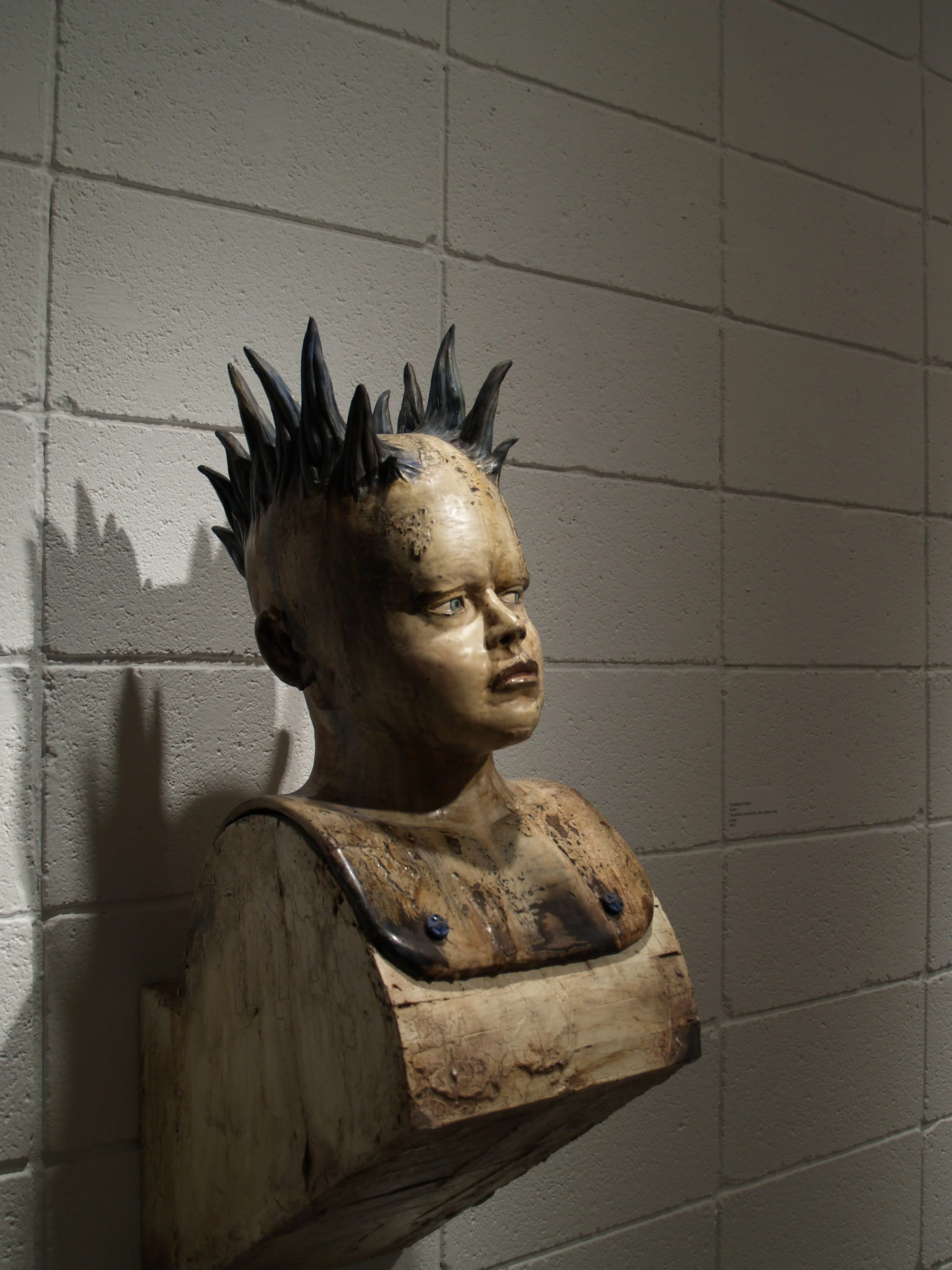
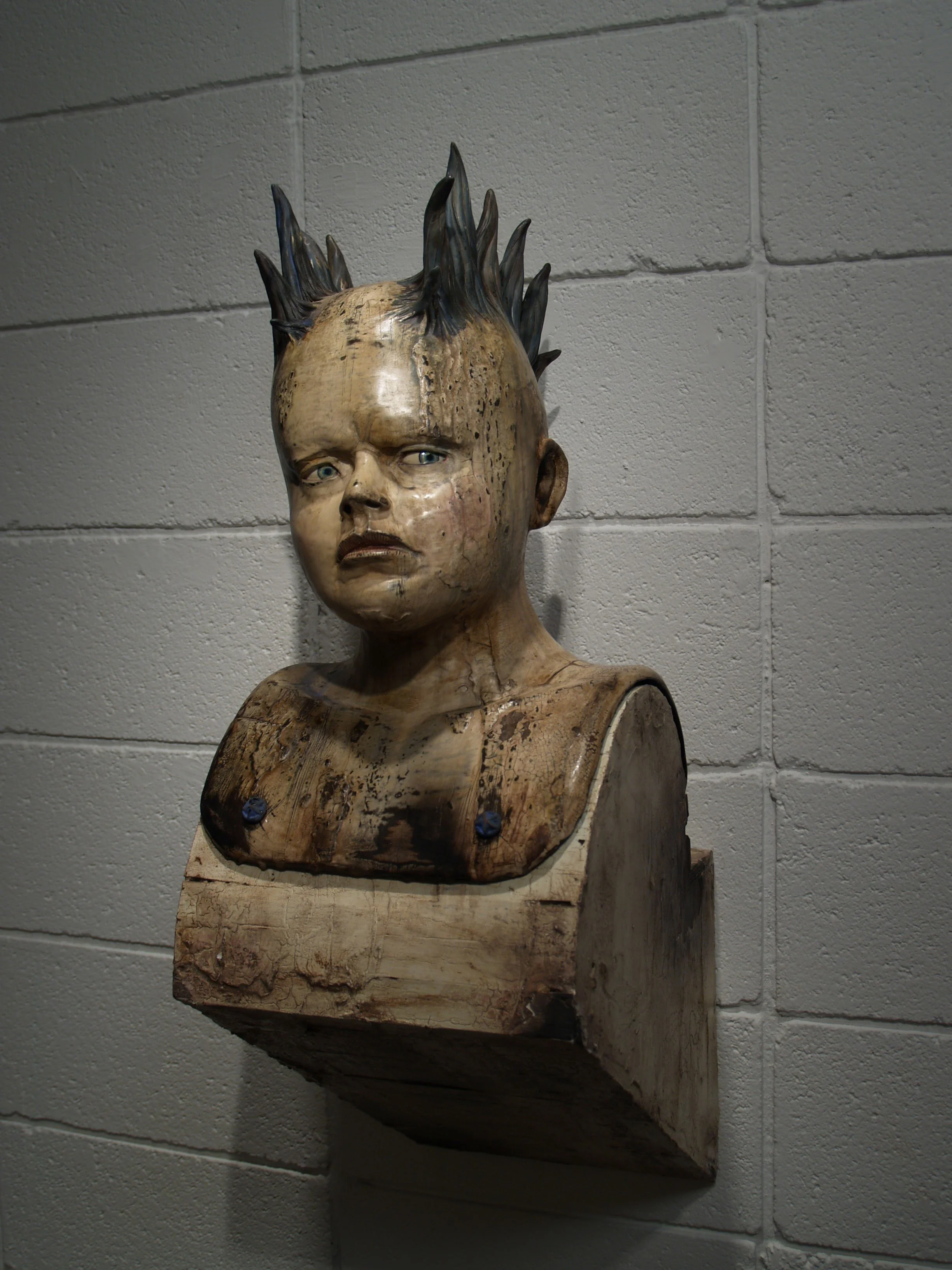
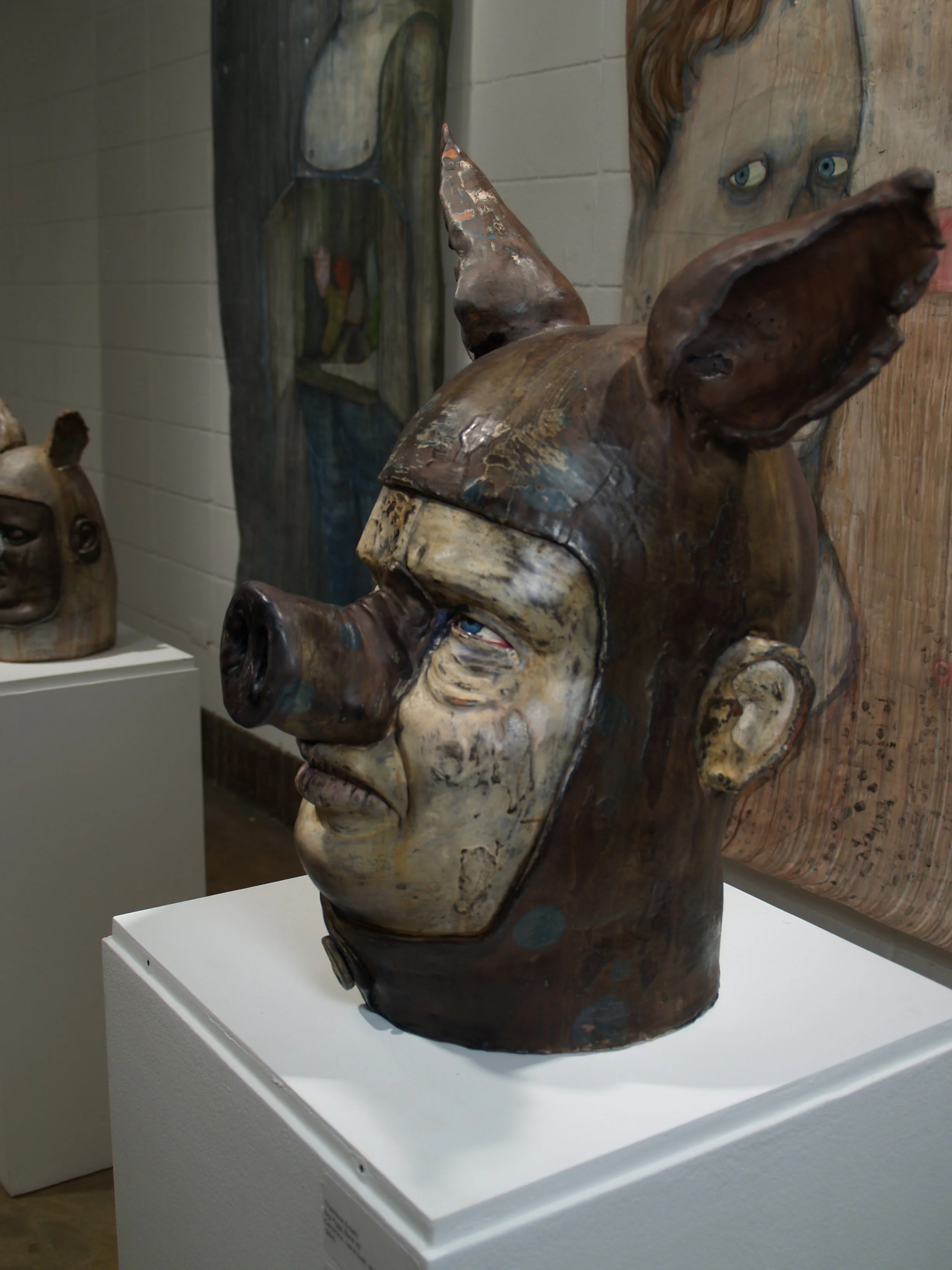
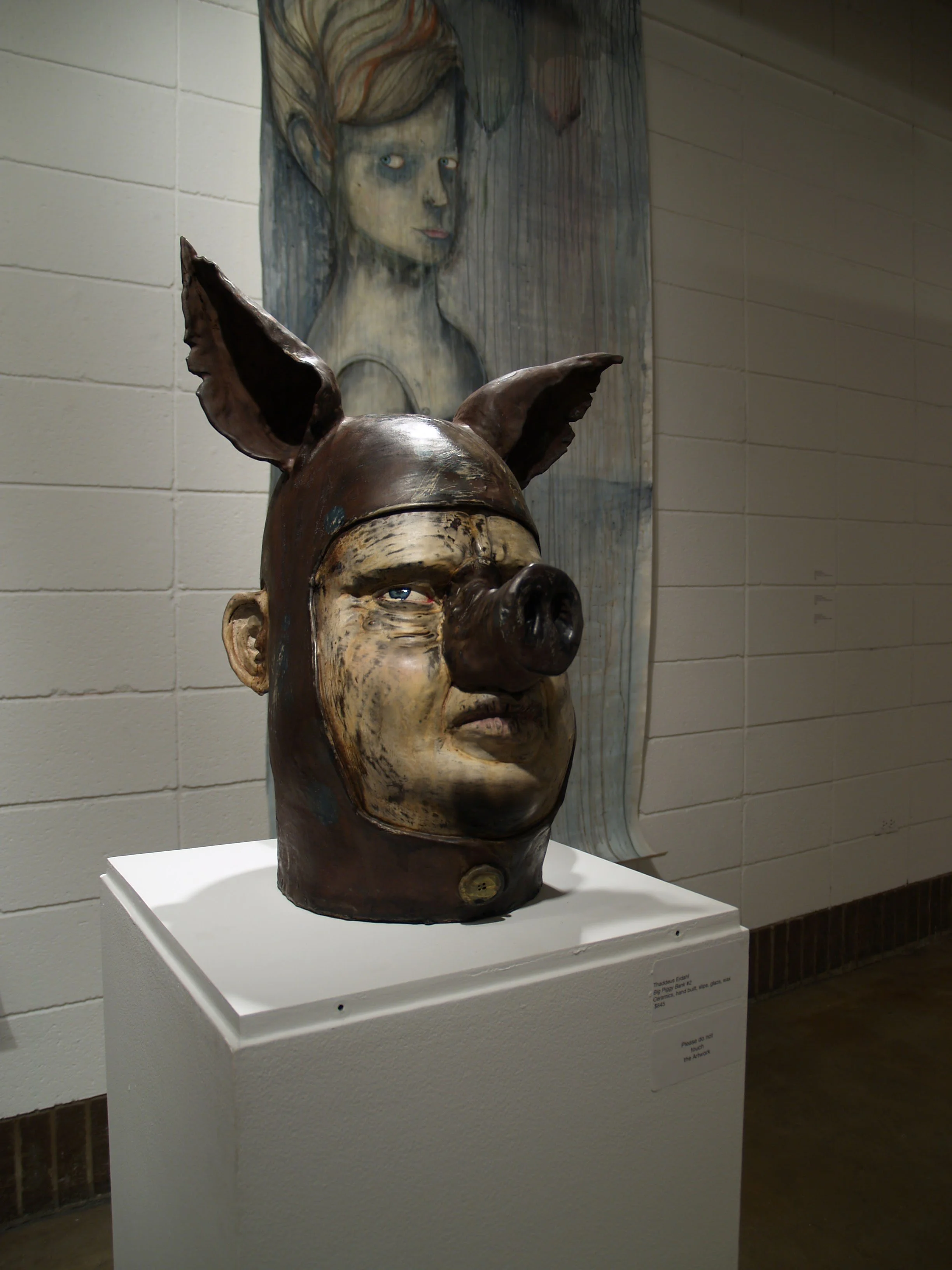
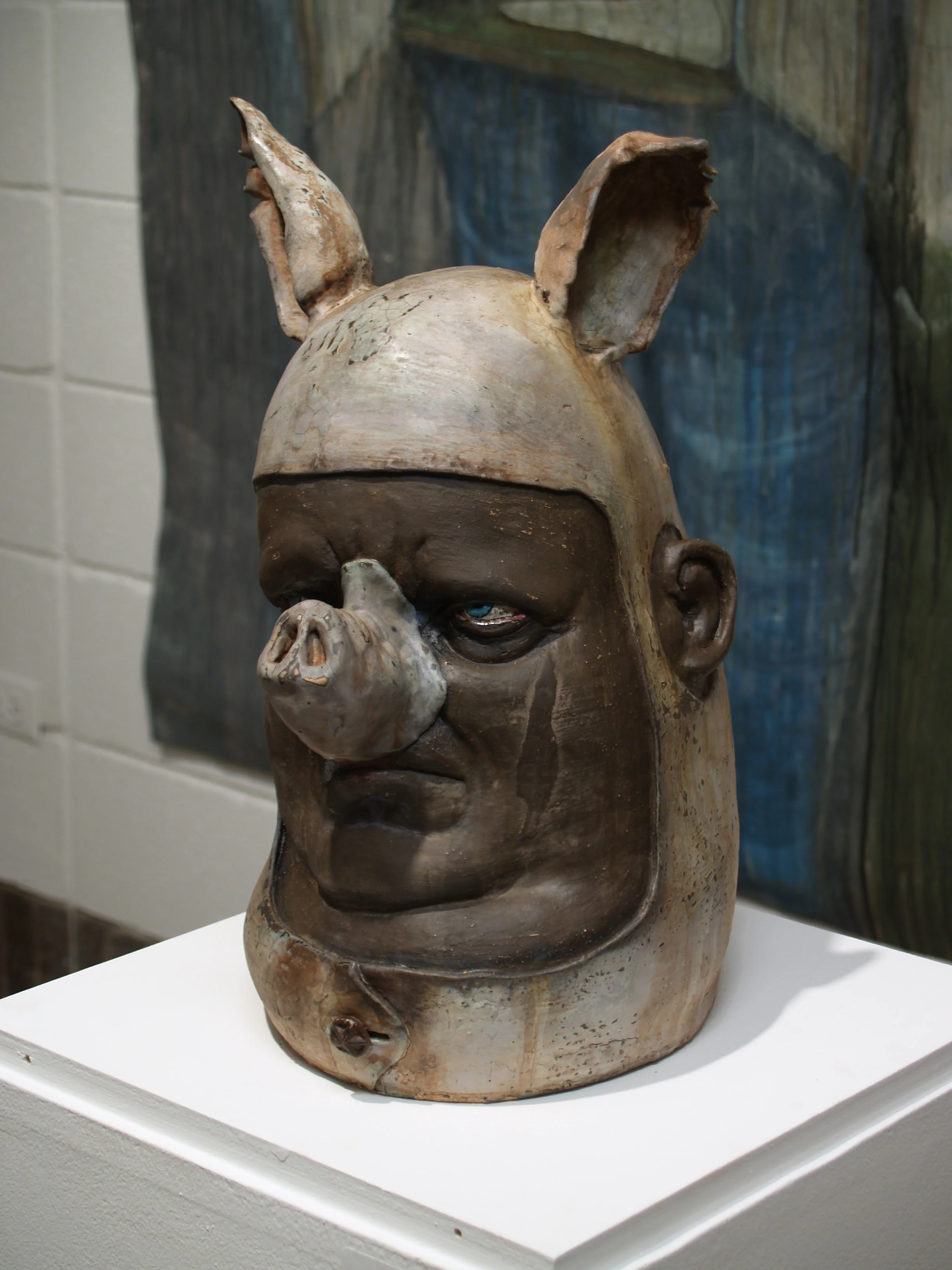
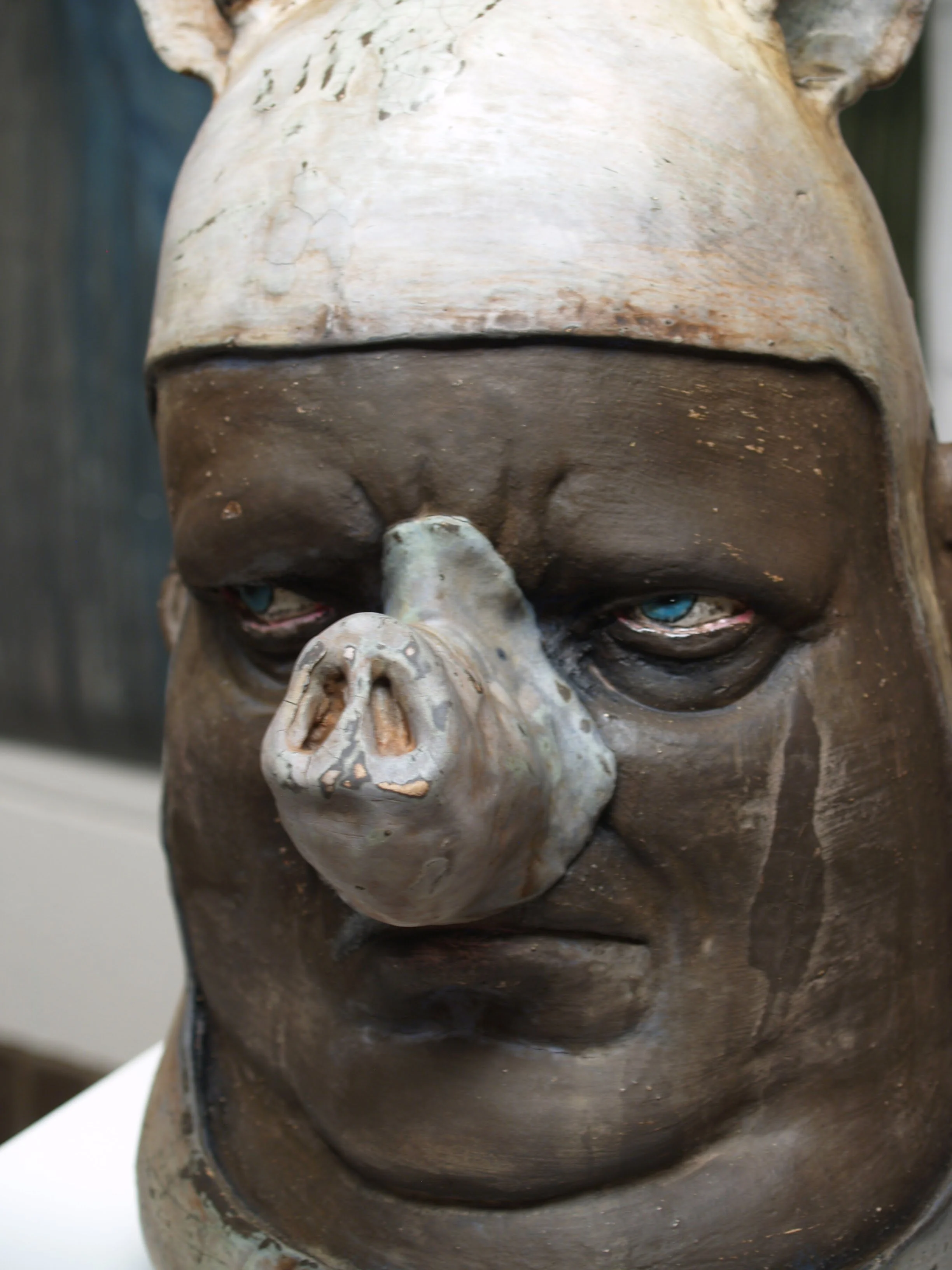
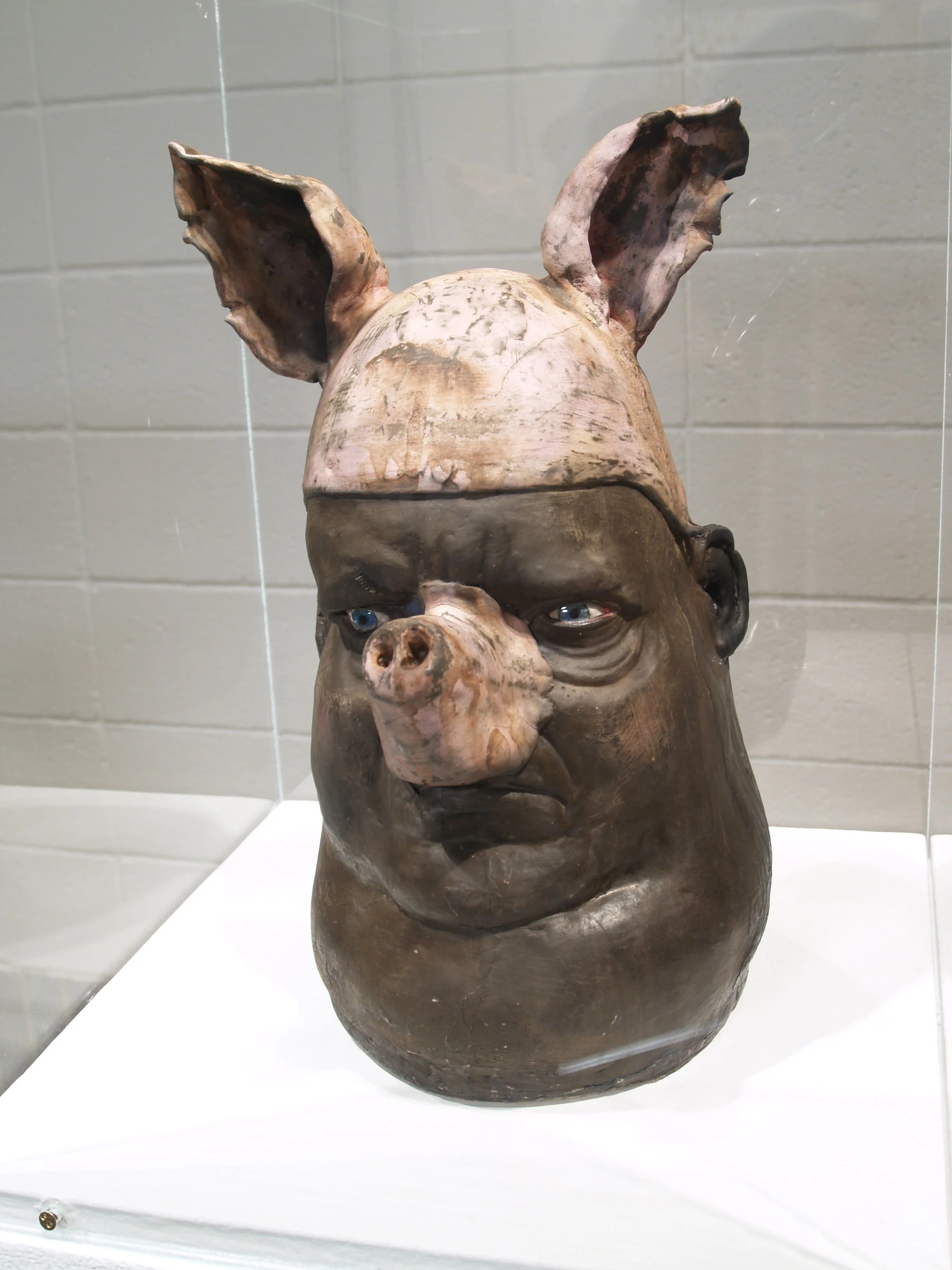
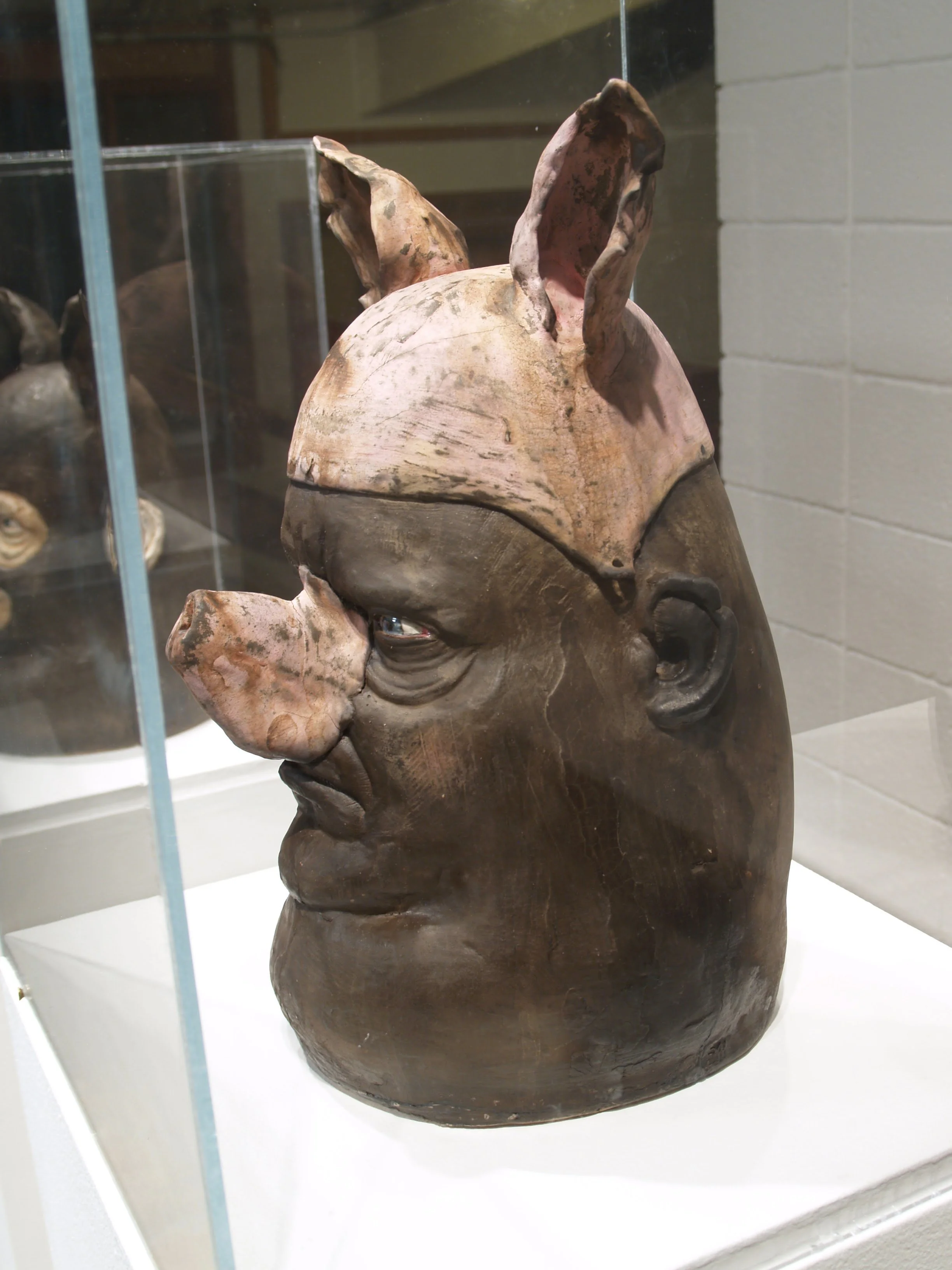
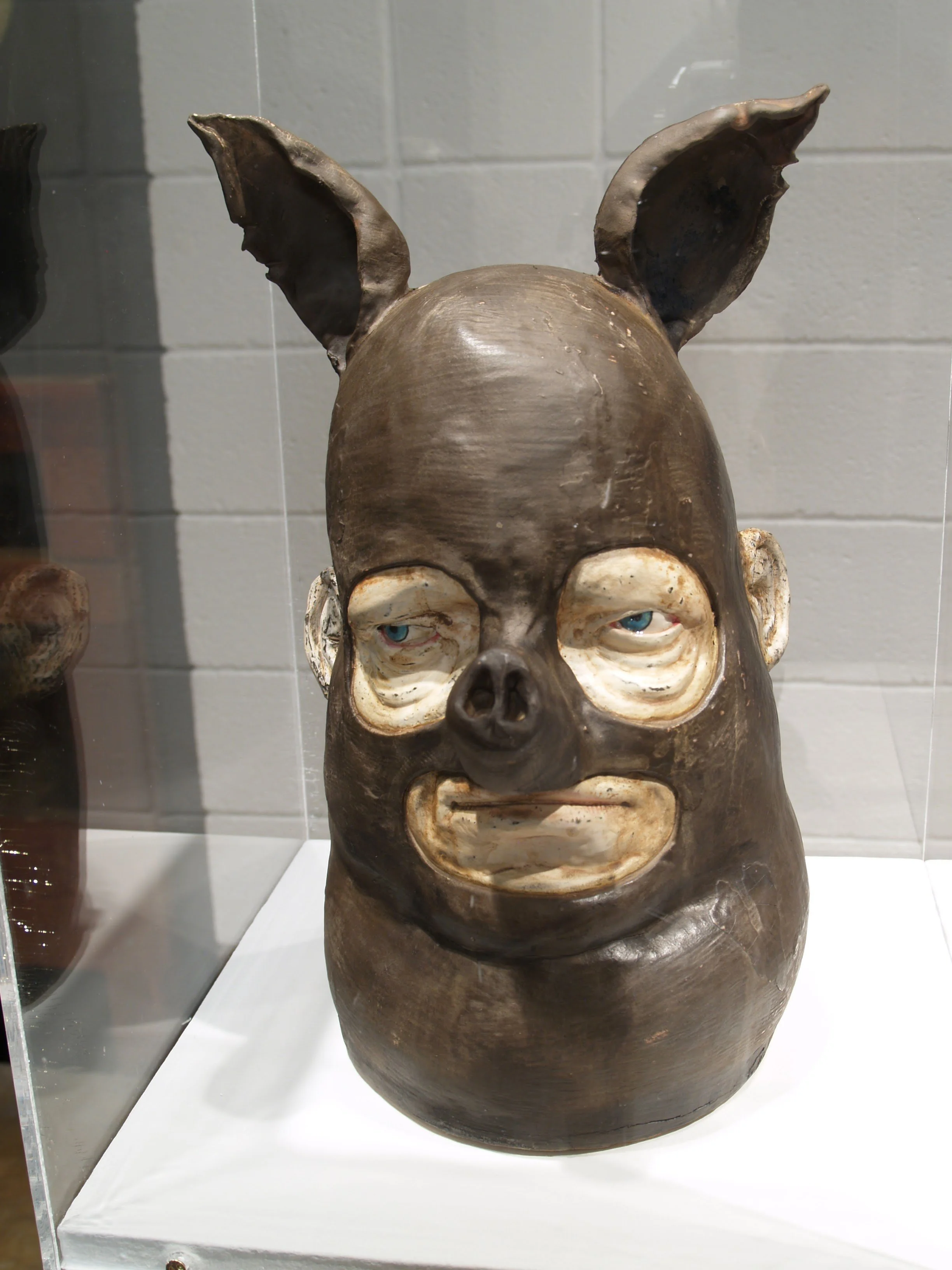
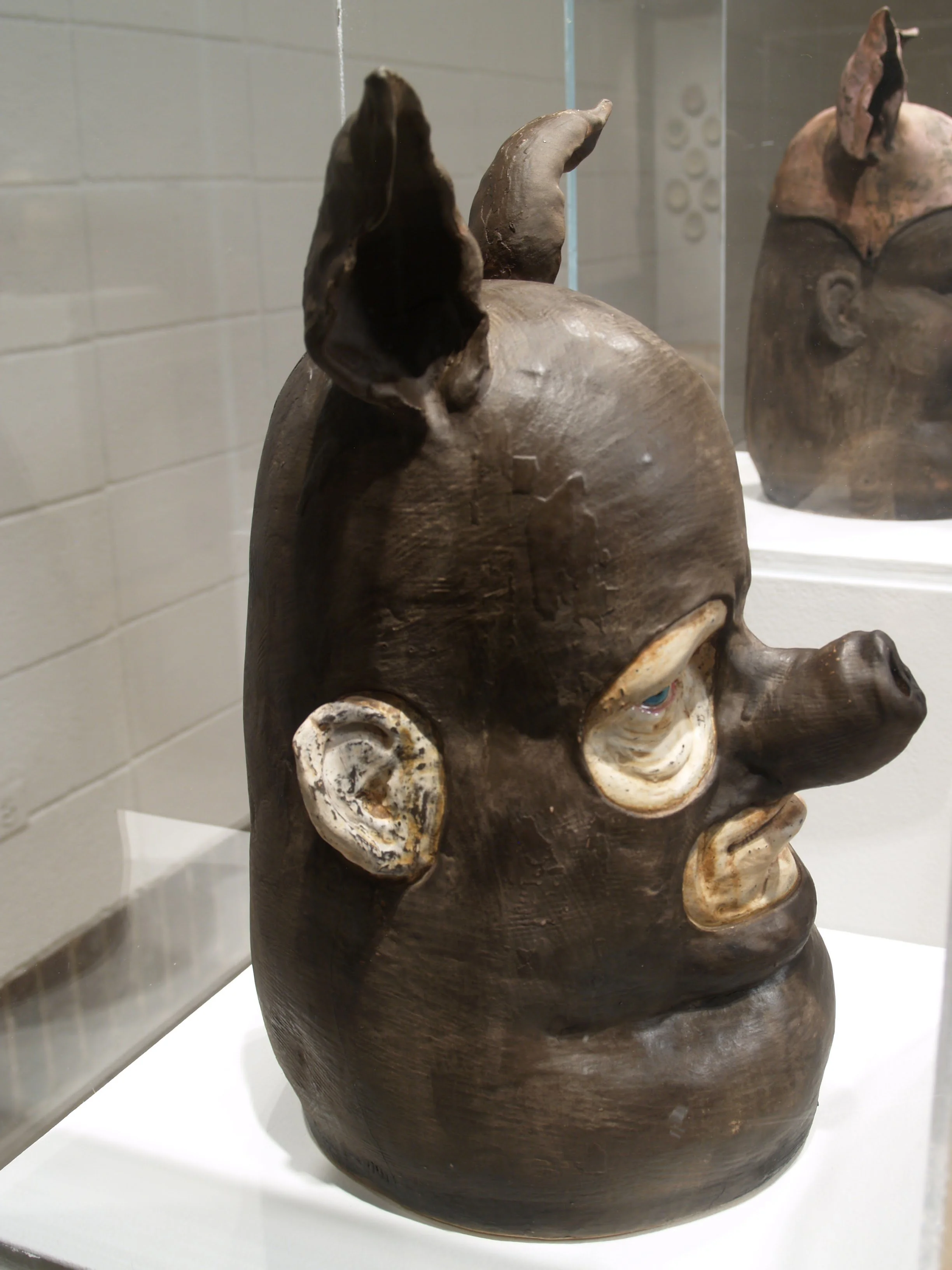
Artificial Artifacts: Rosewell Art Center West
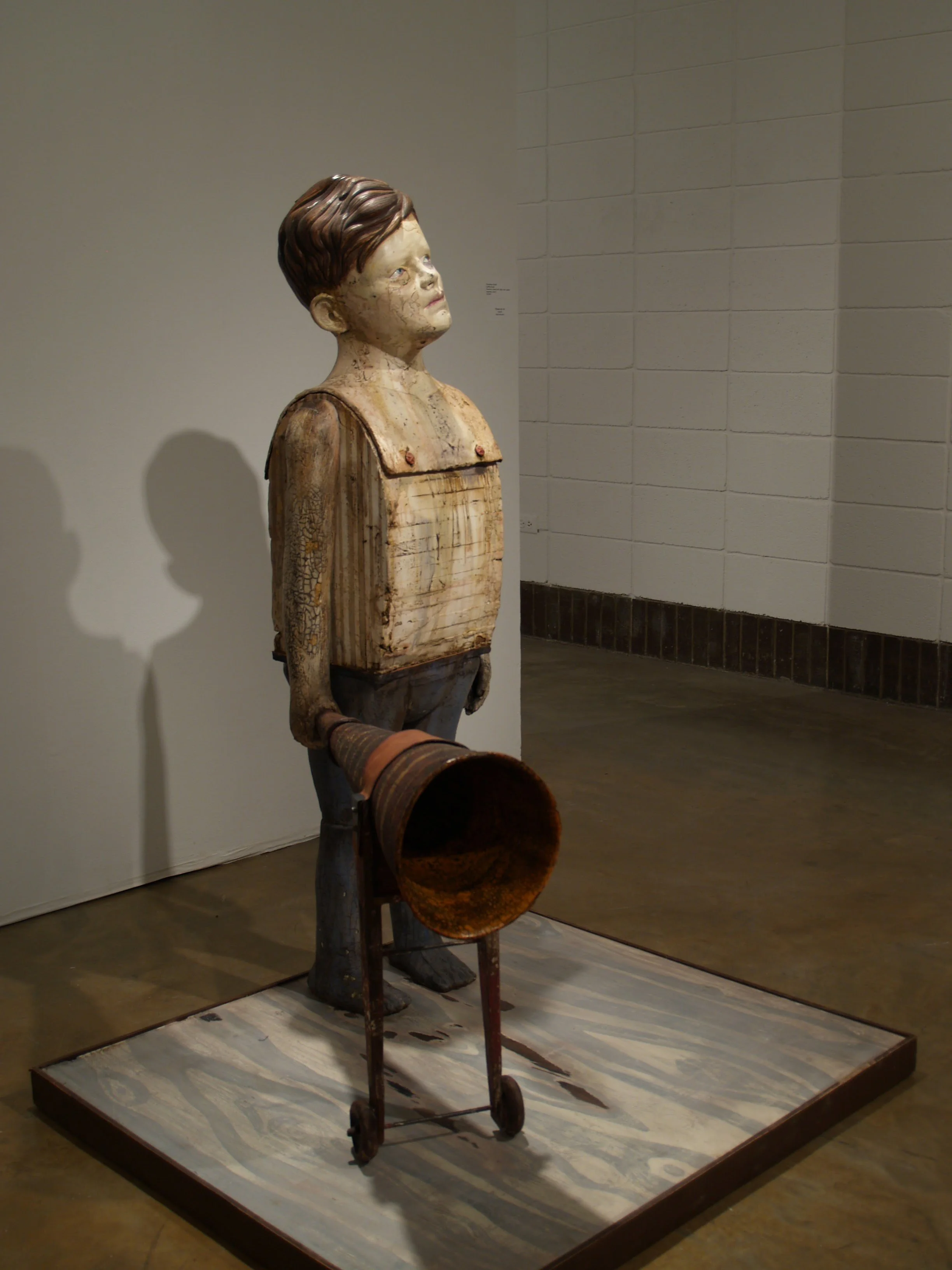
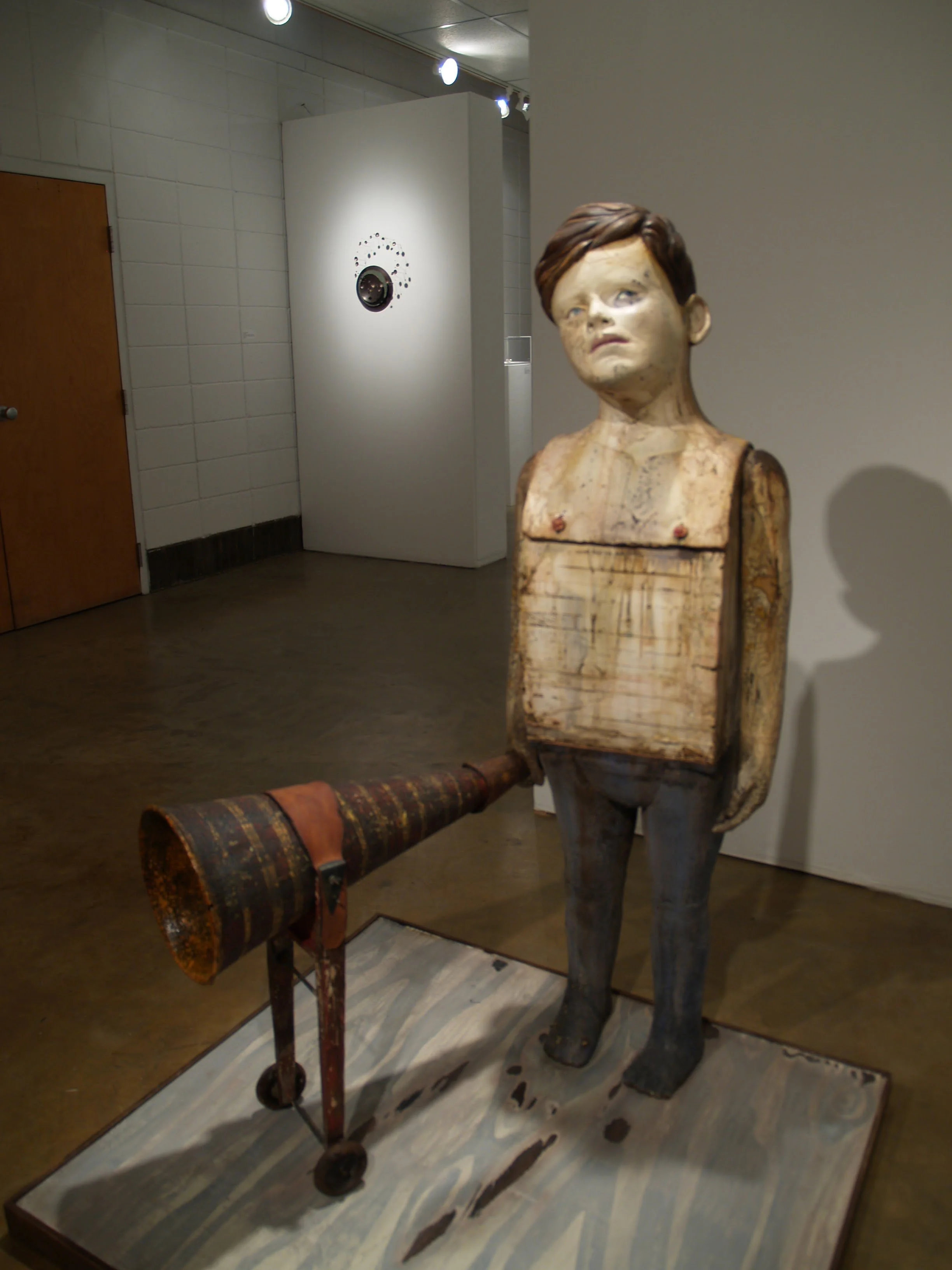
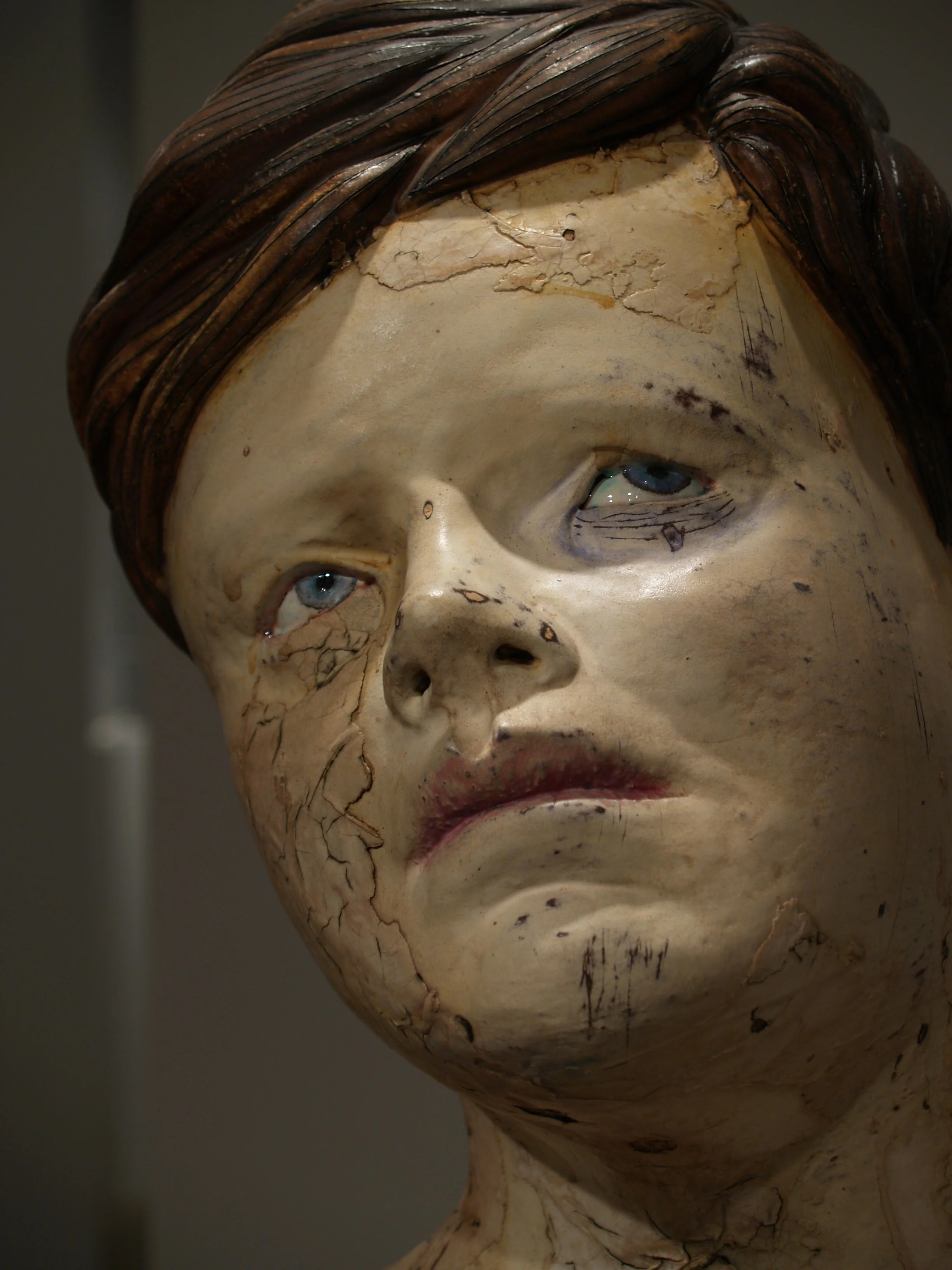
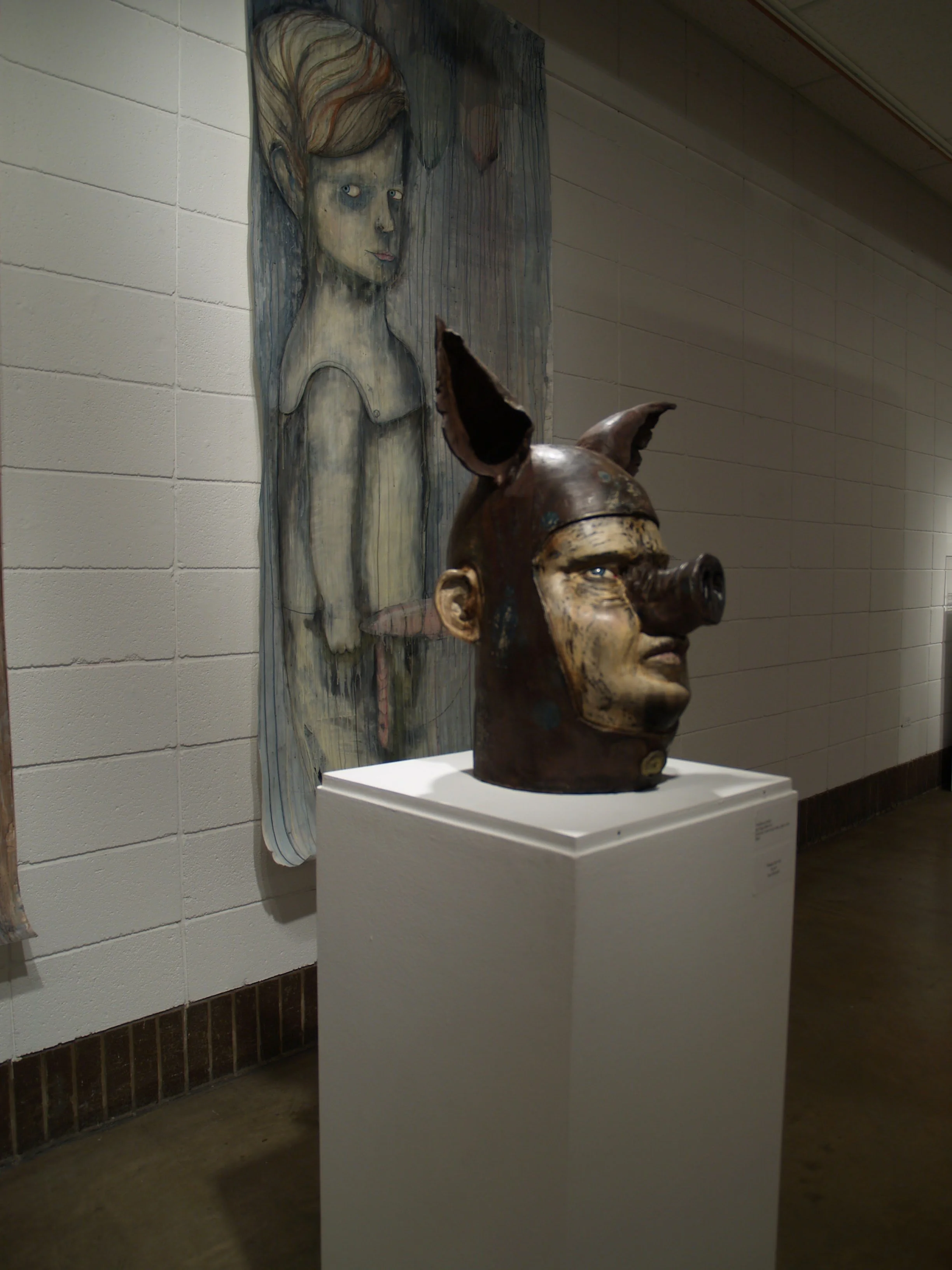
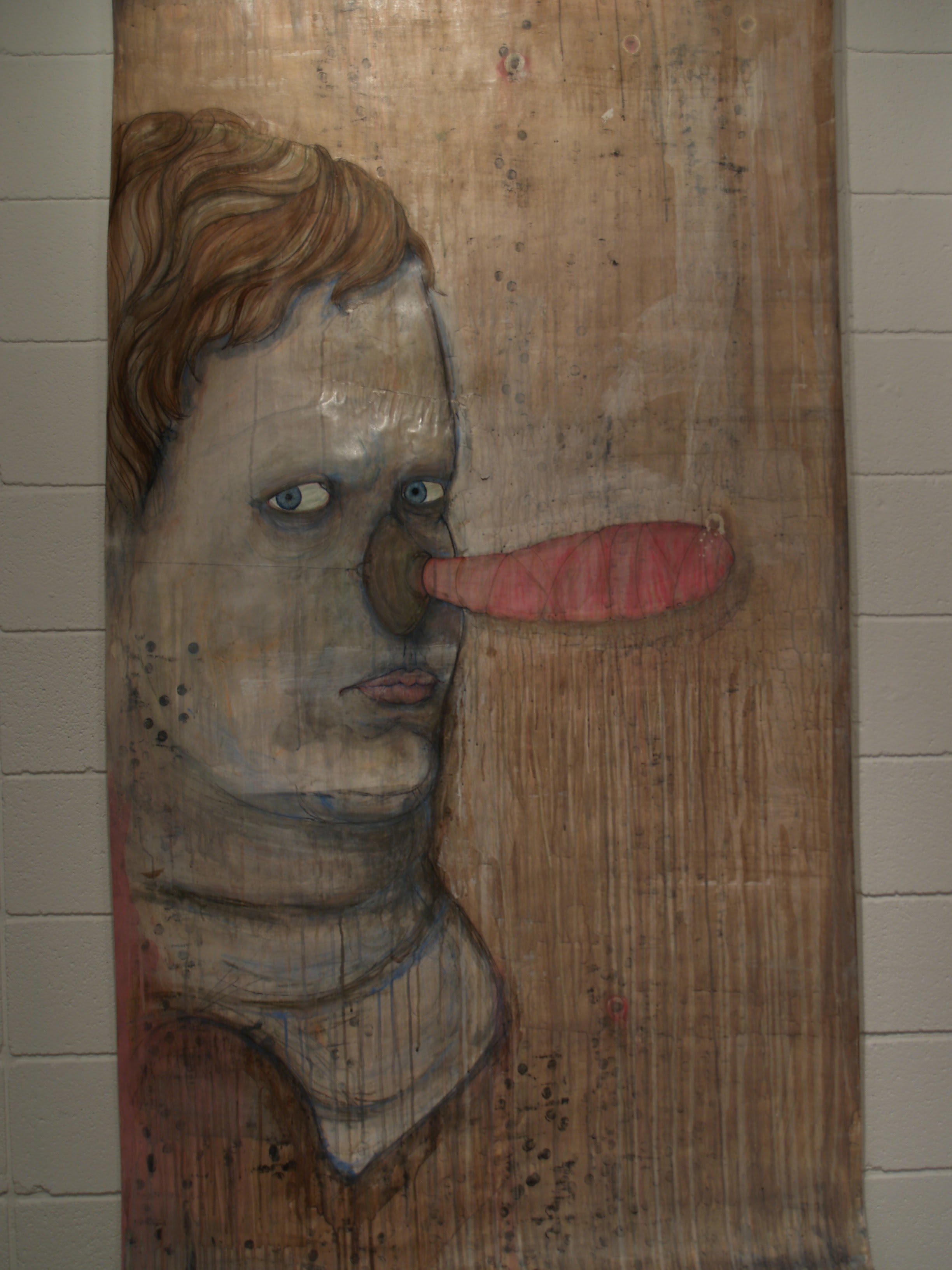
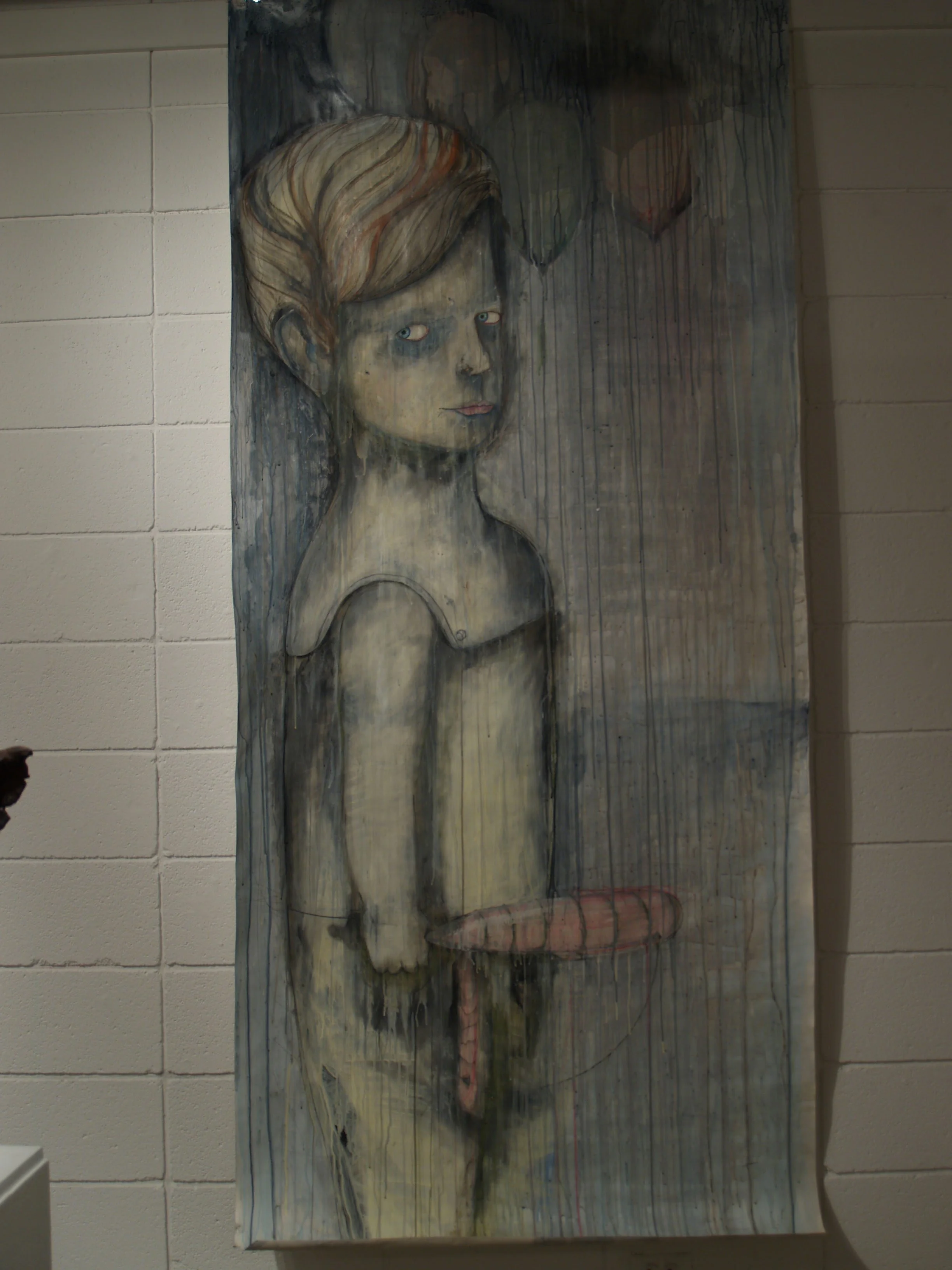
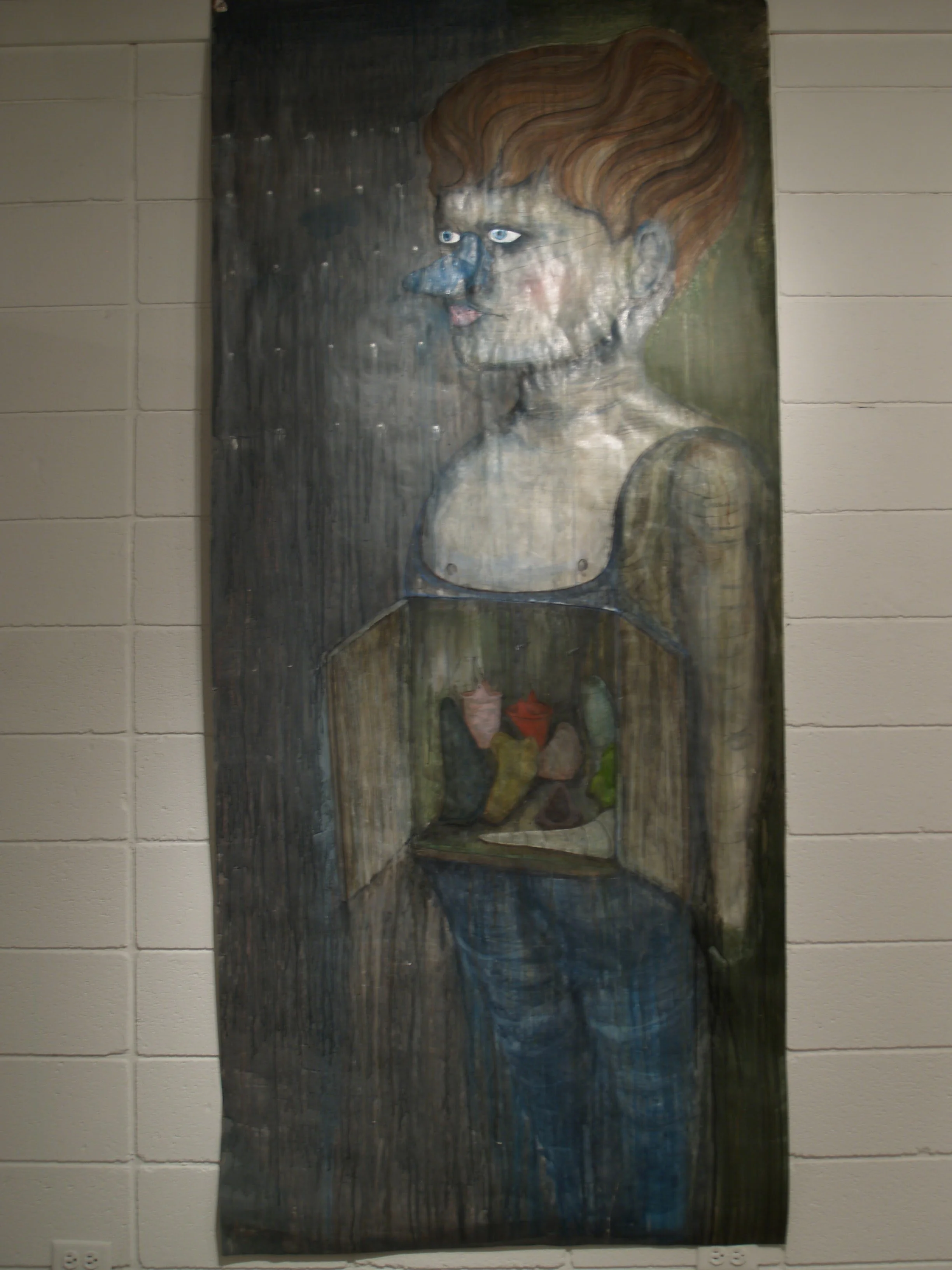
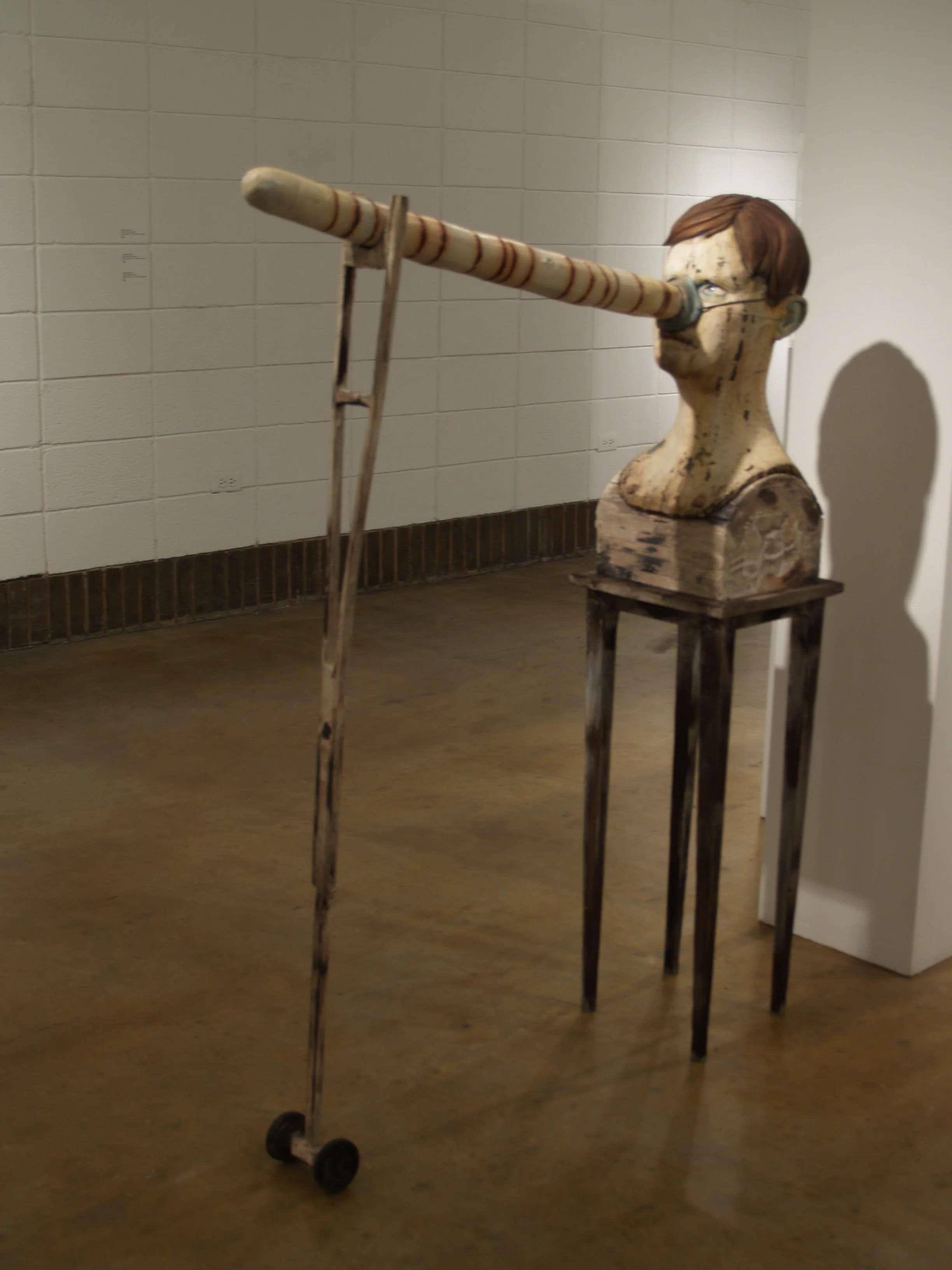
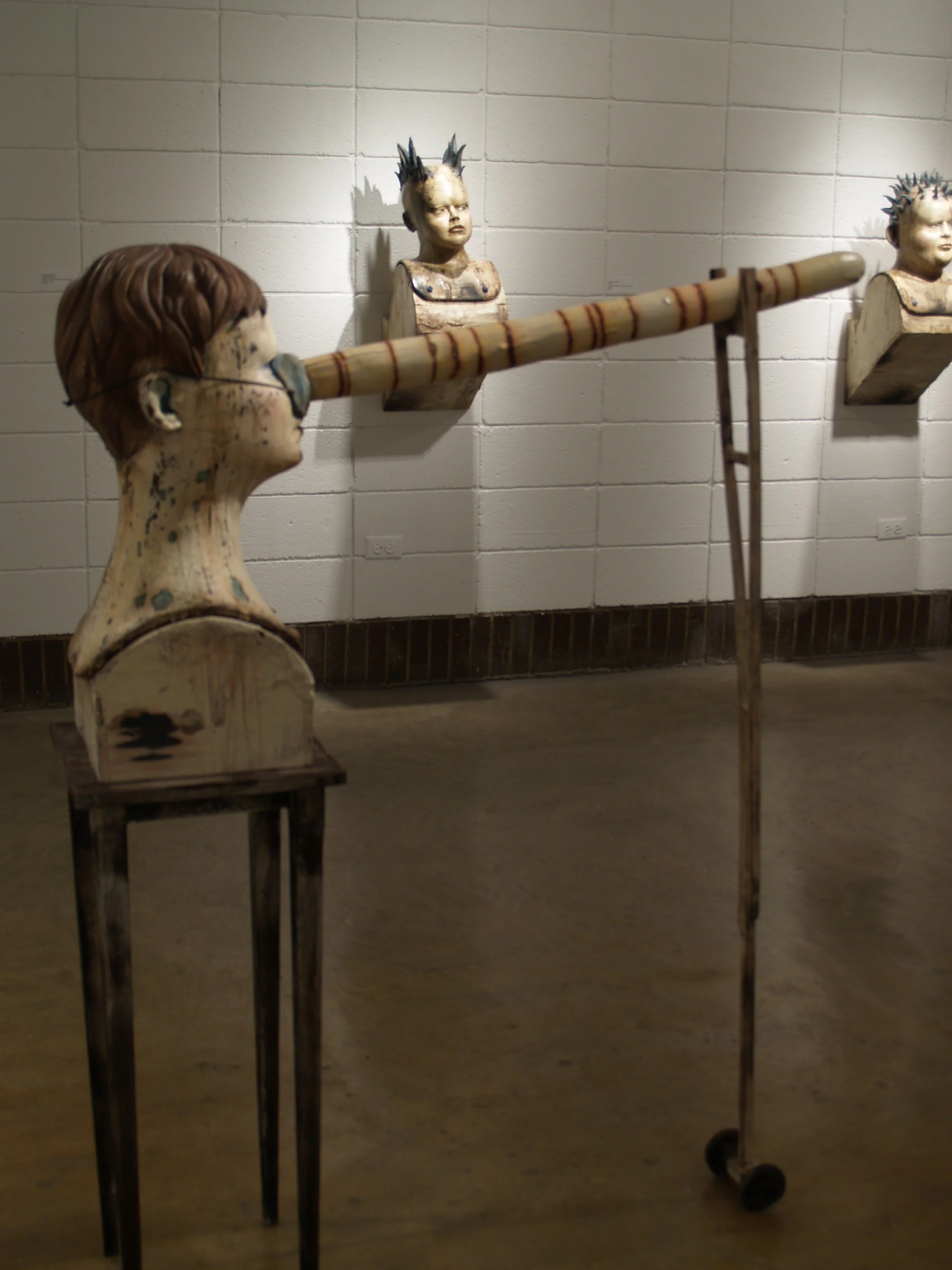
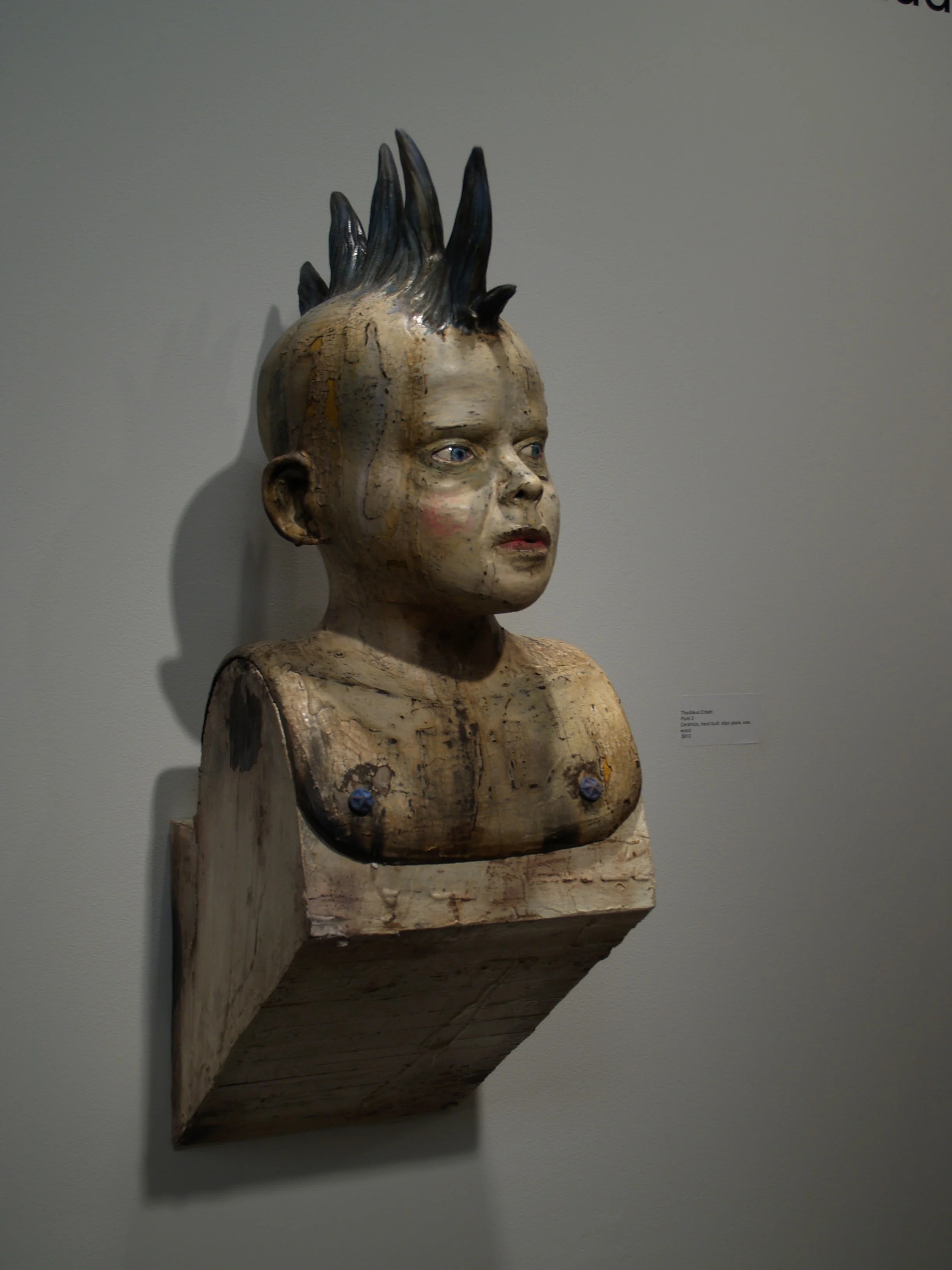
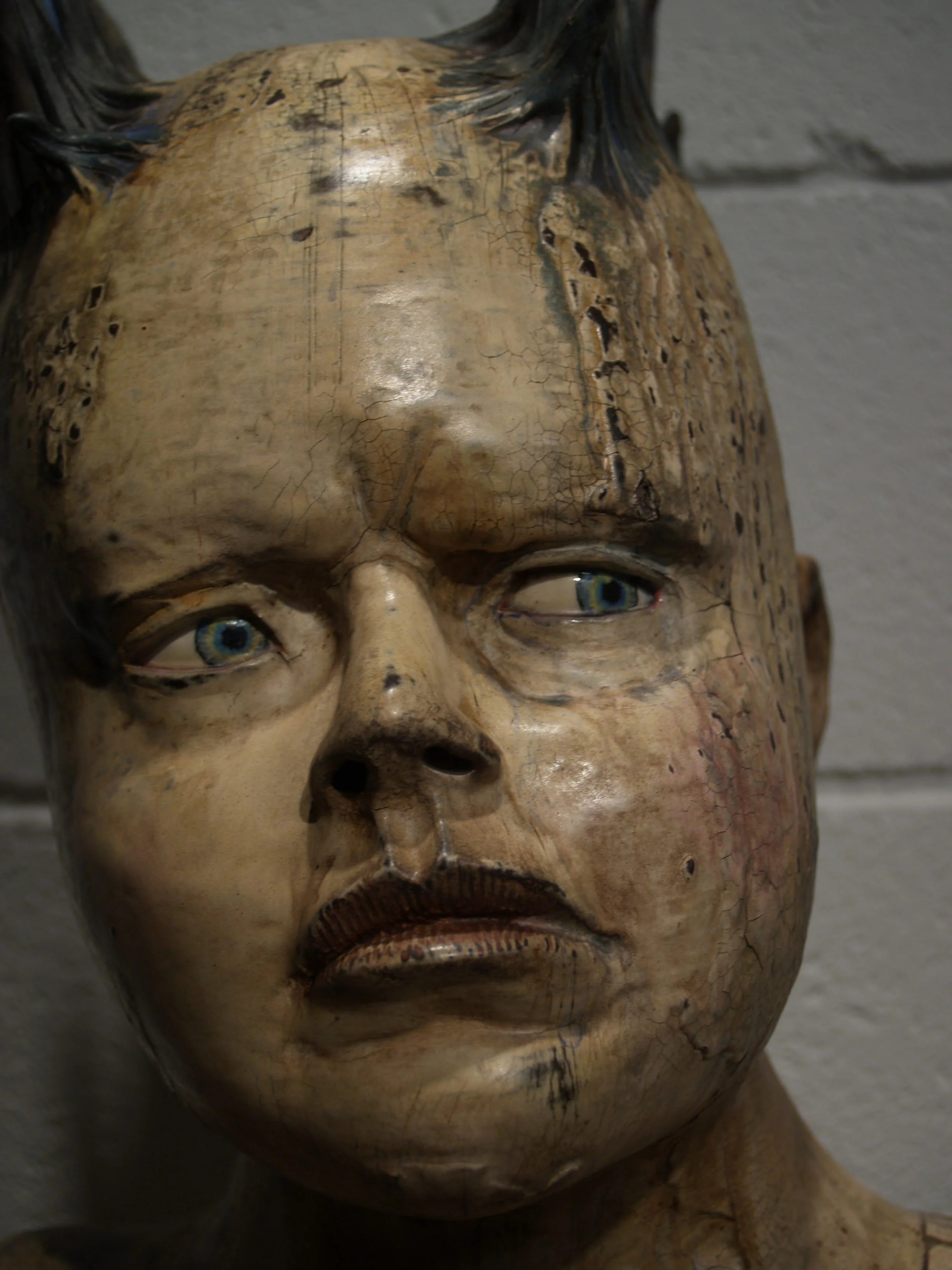
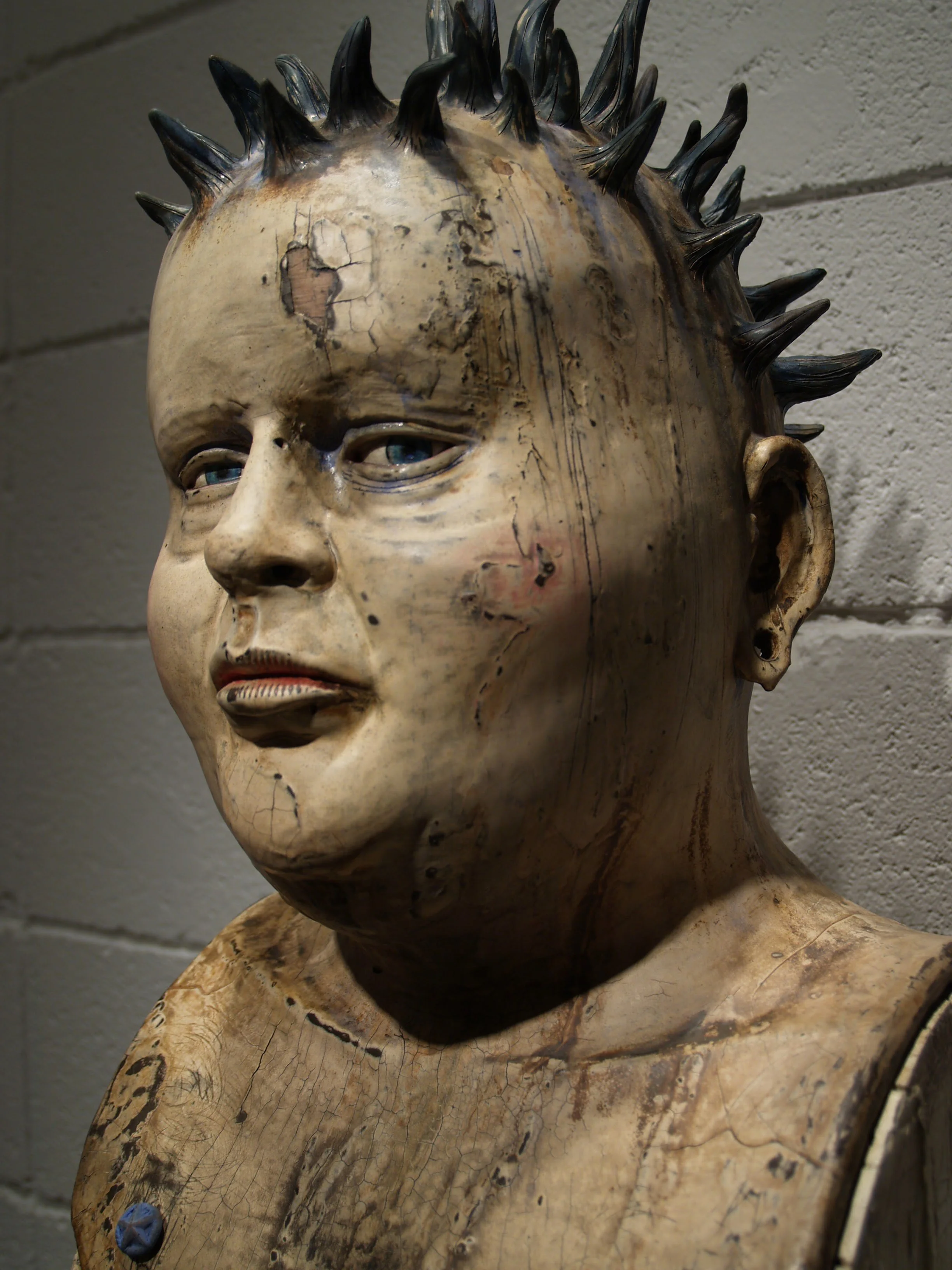
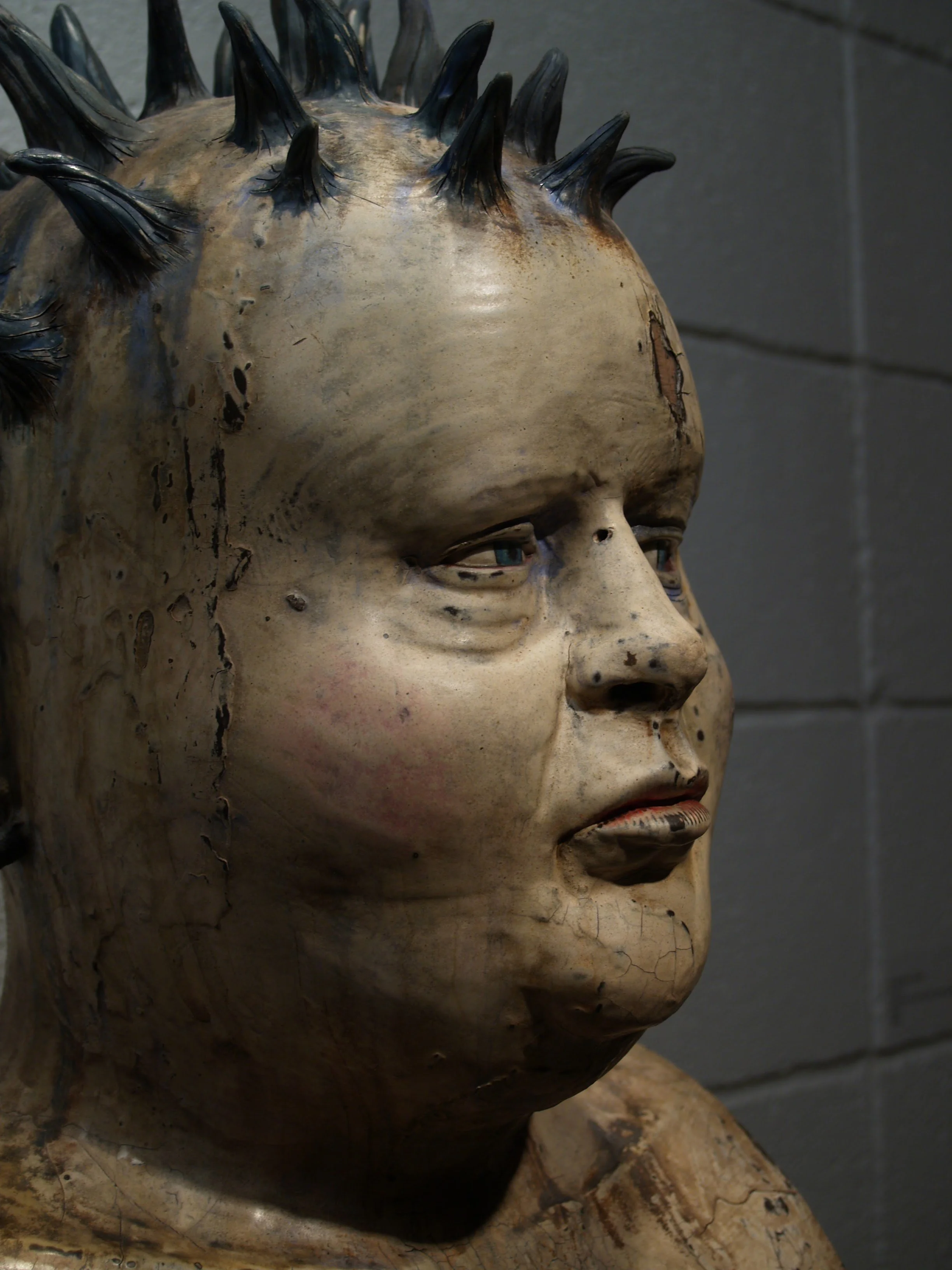
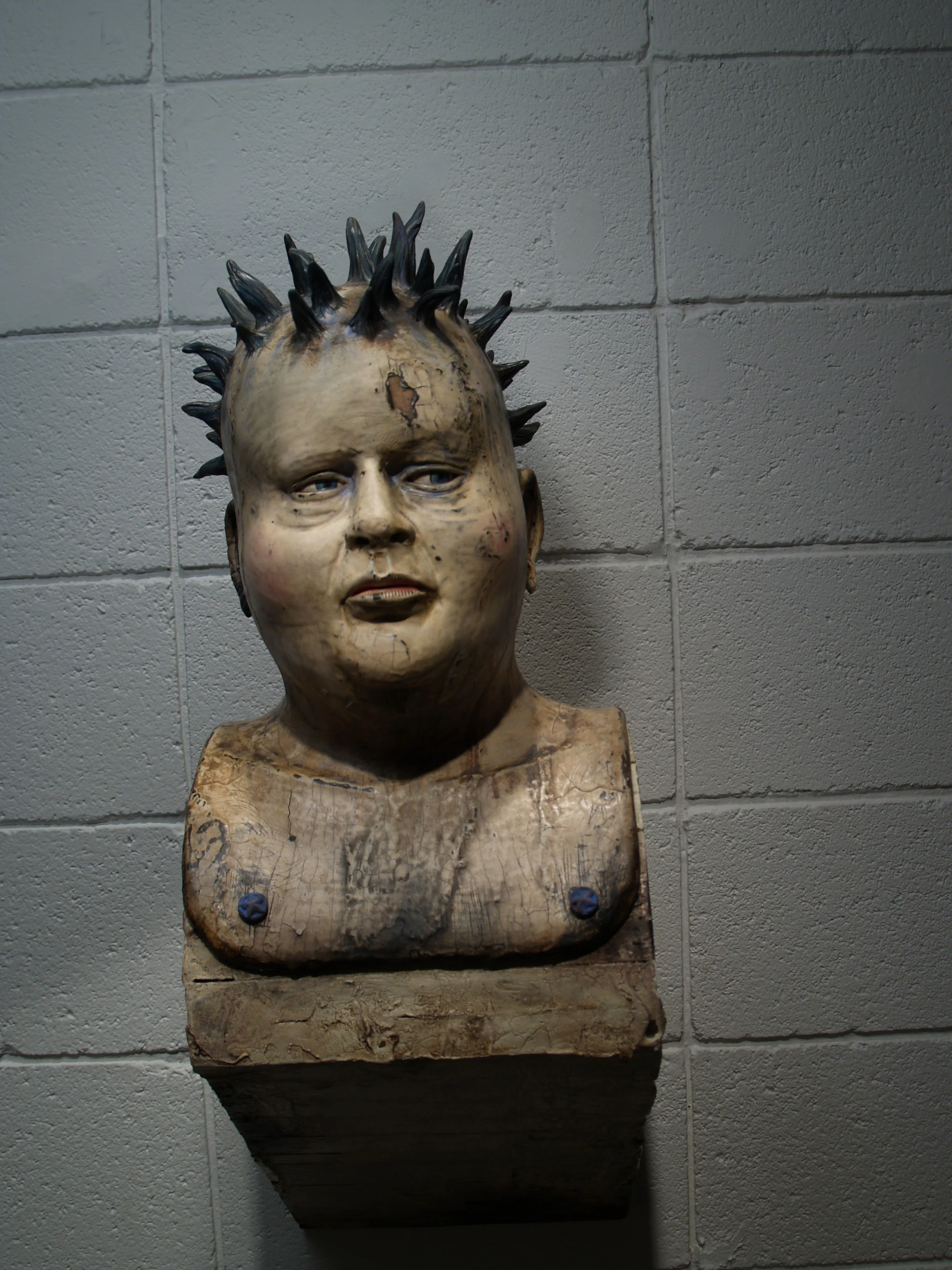
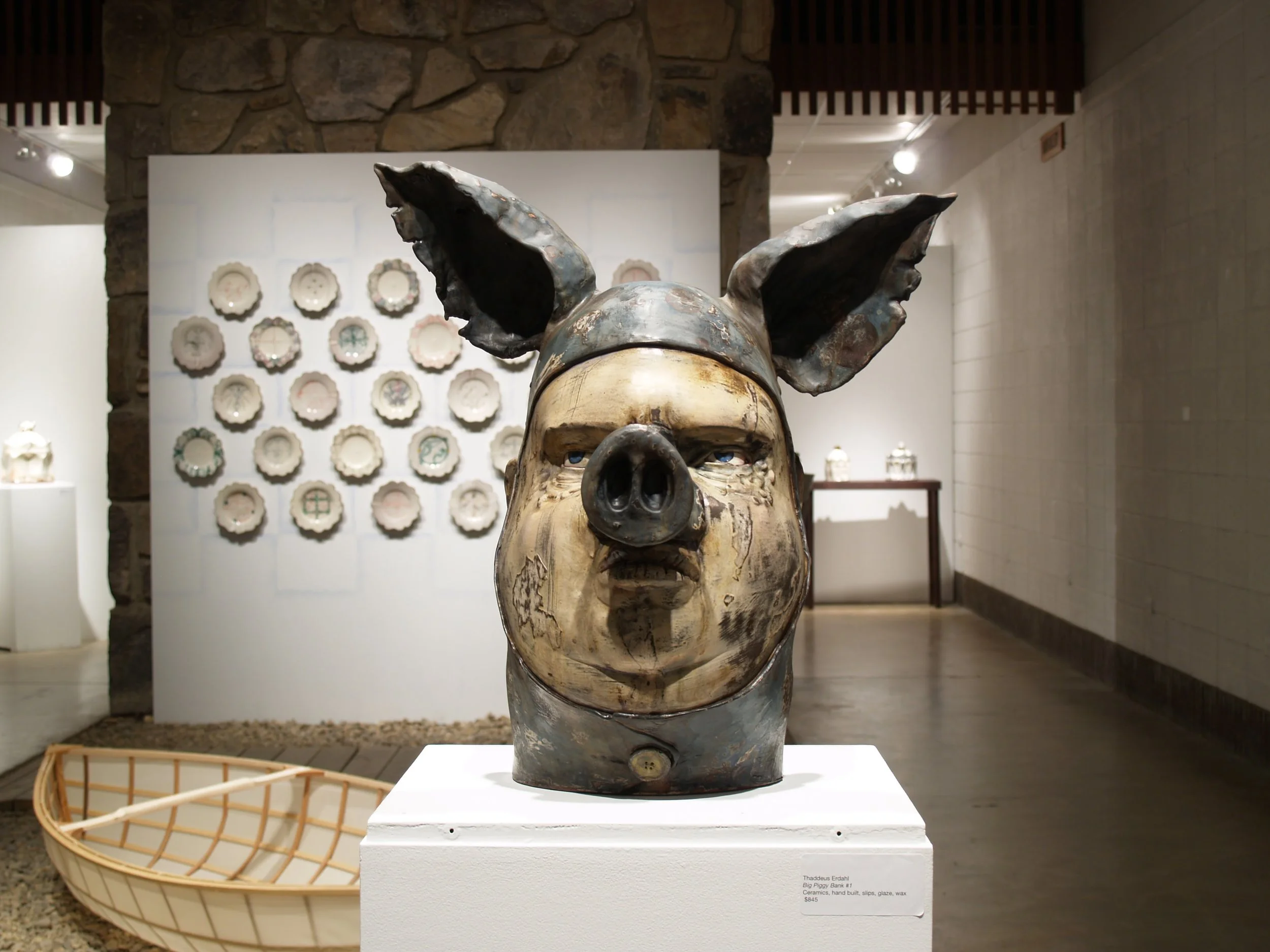
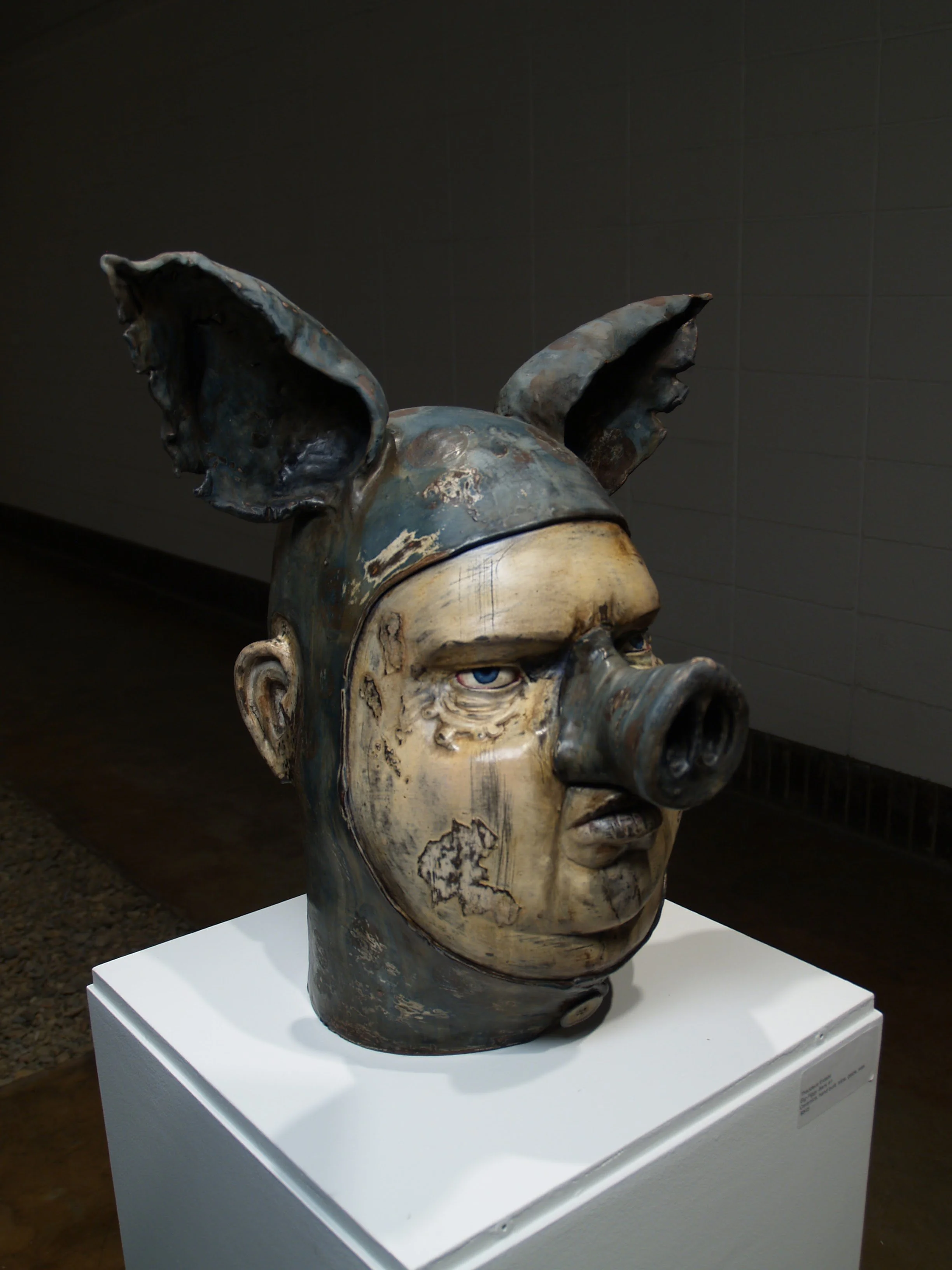
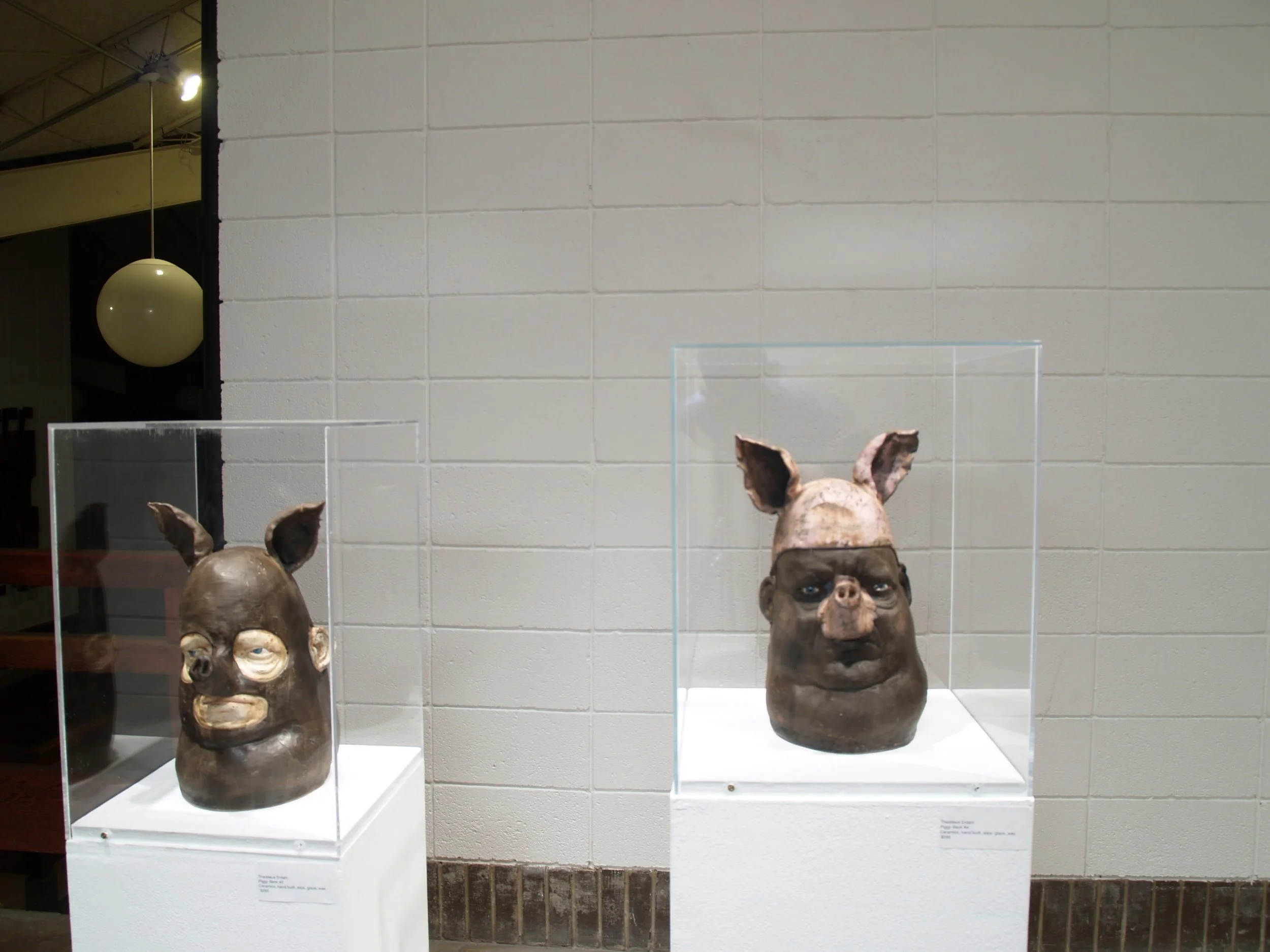
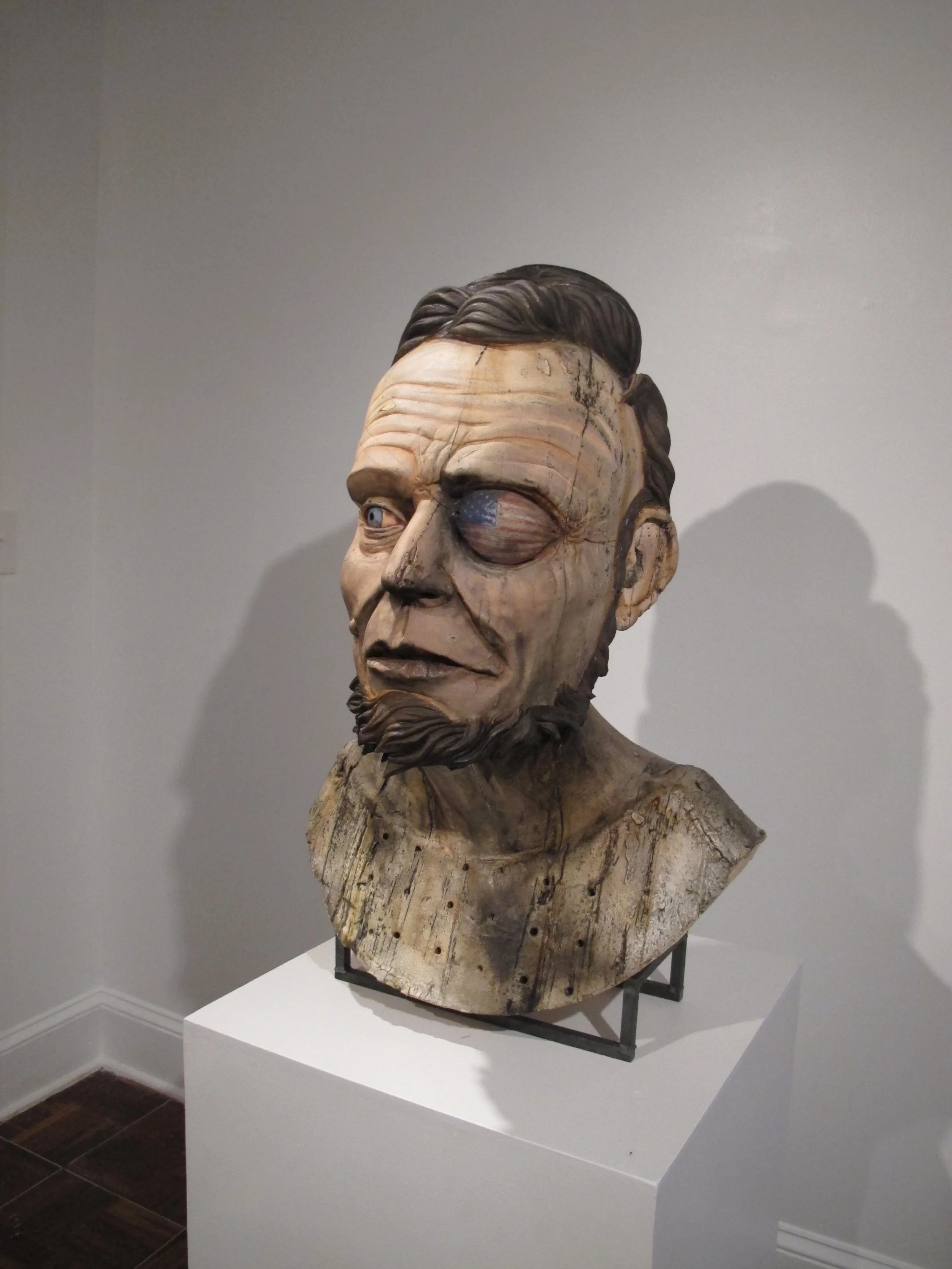
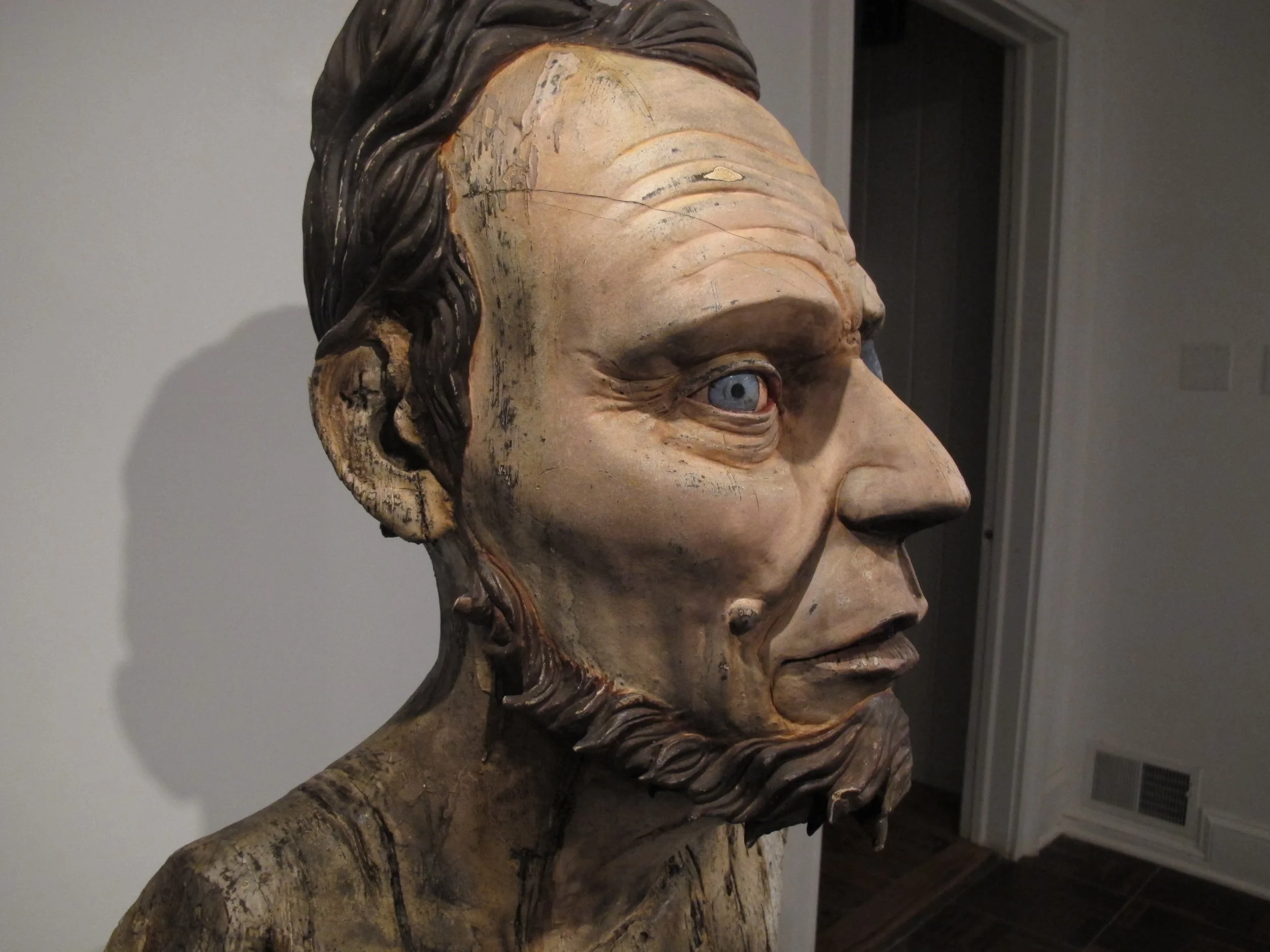
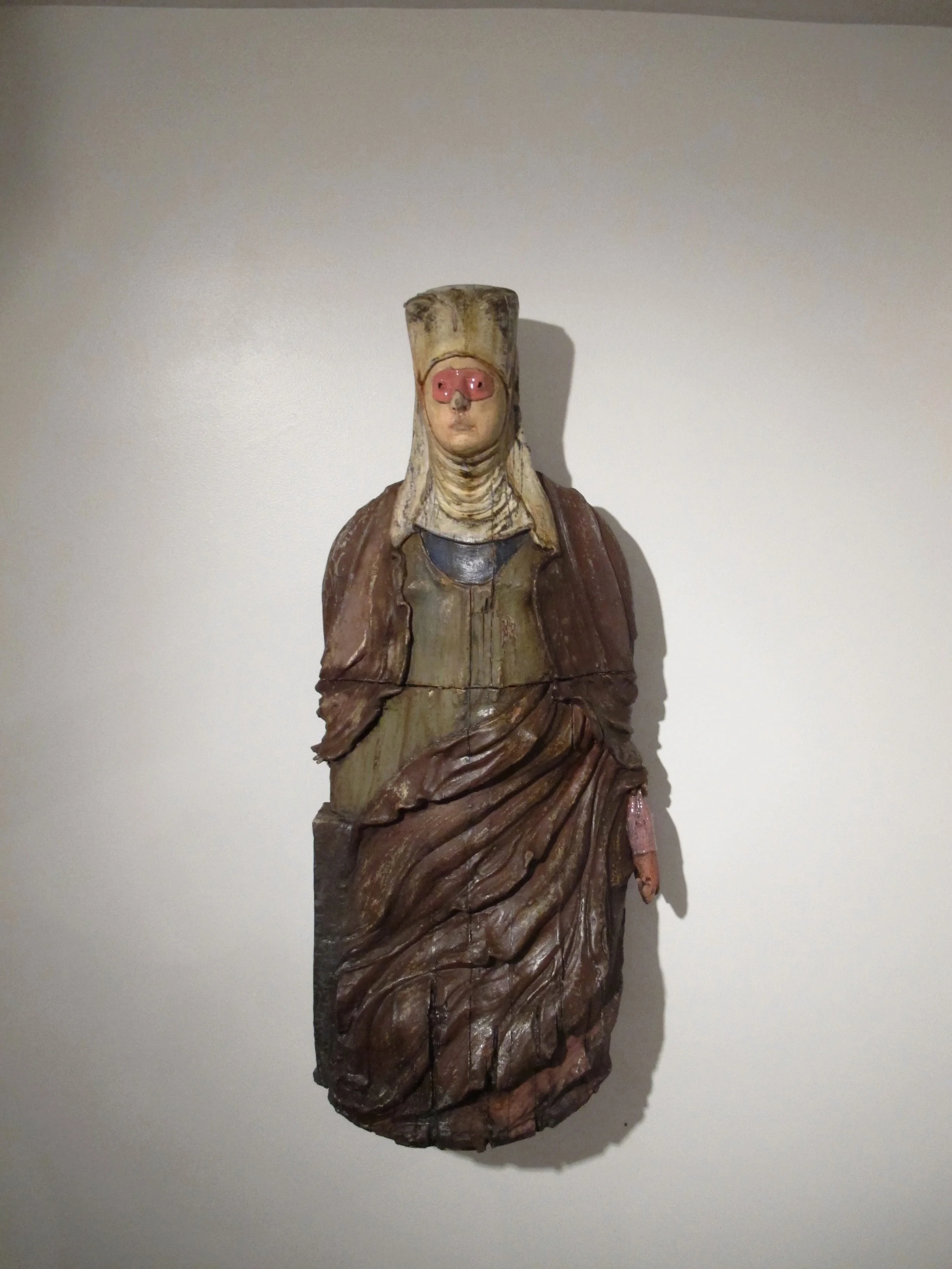
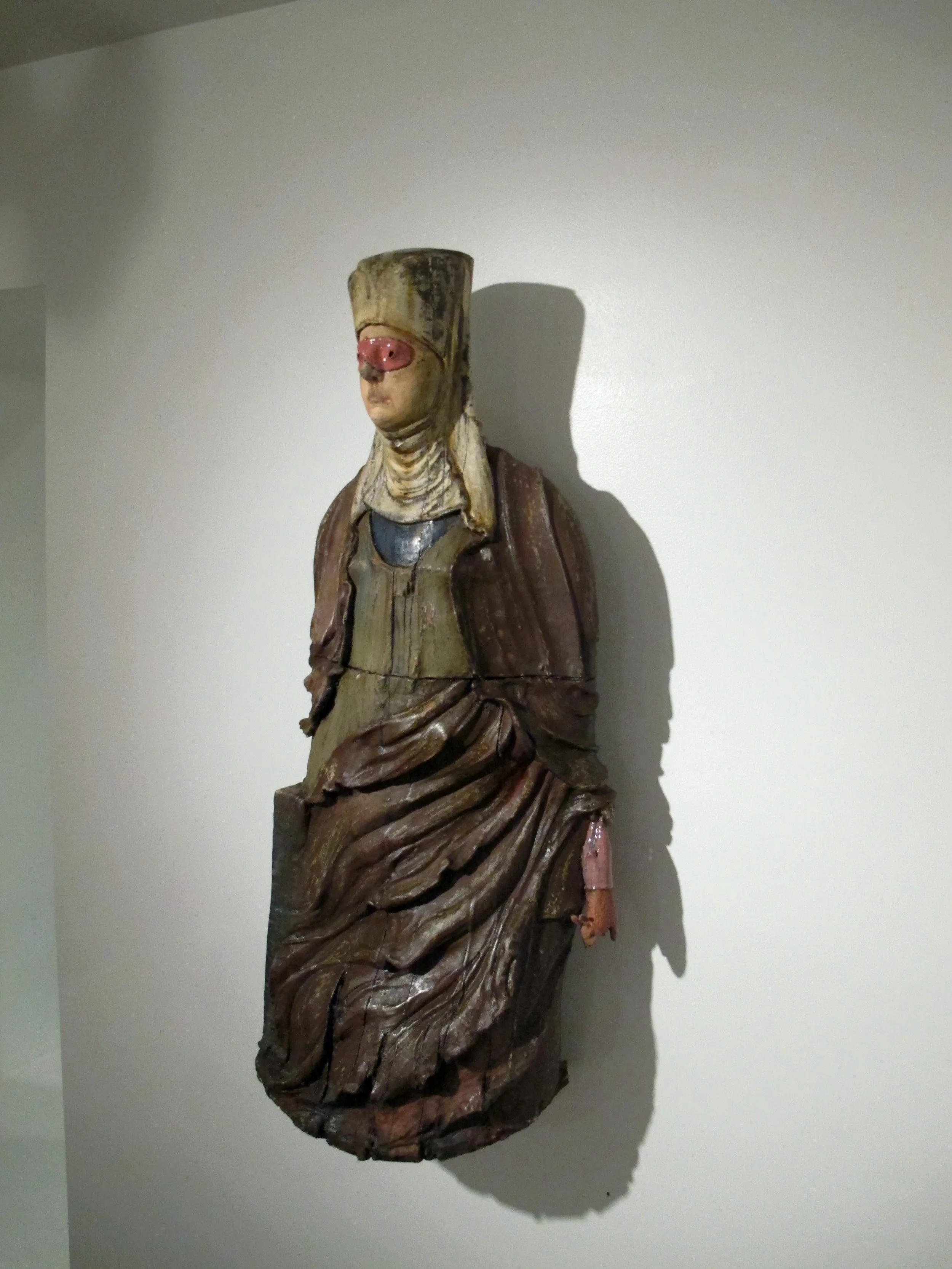
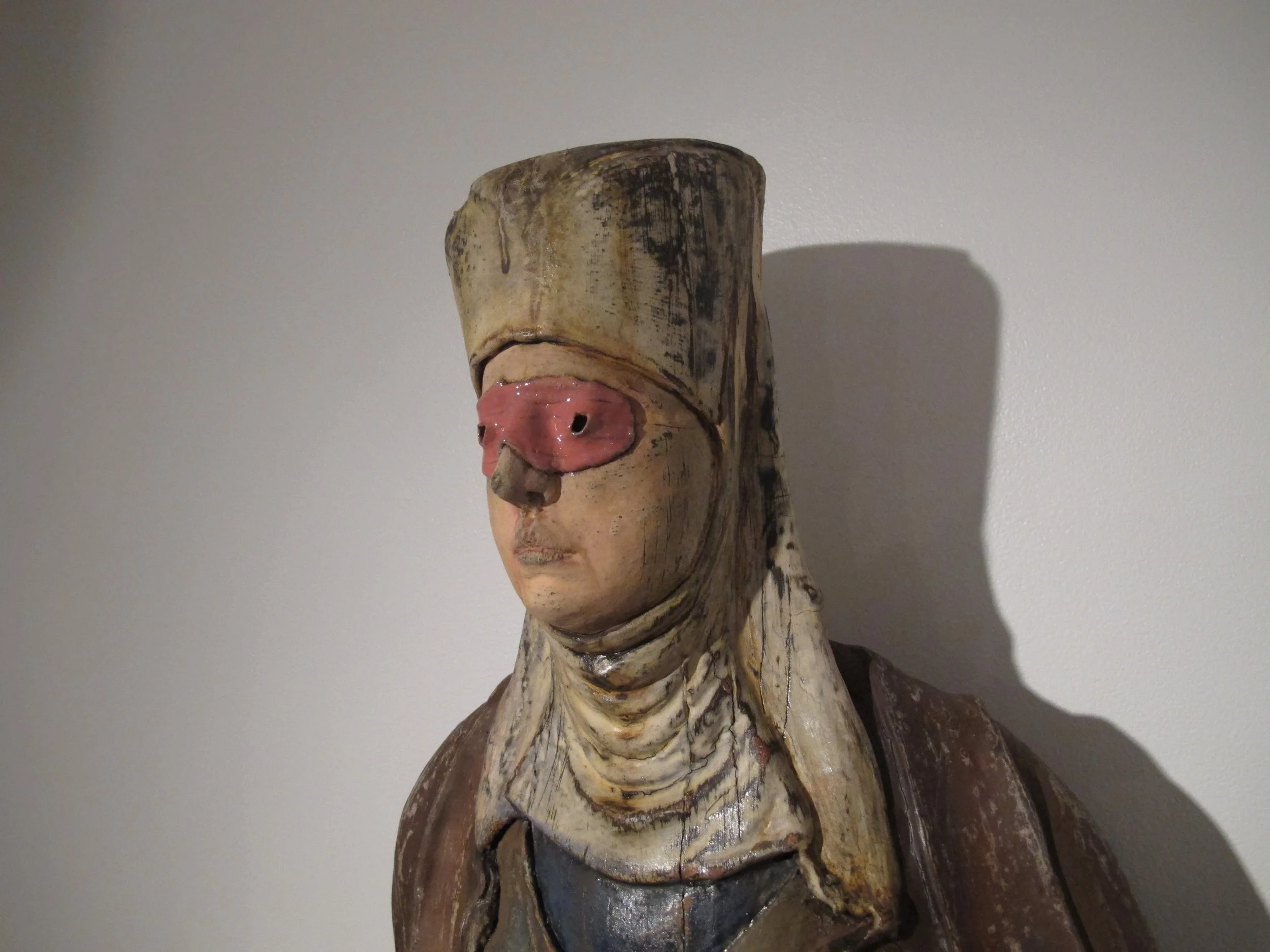
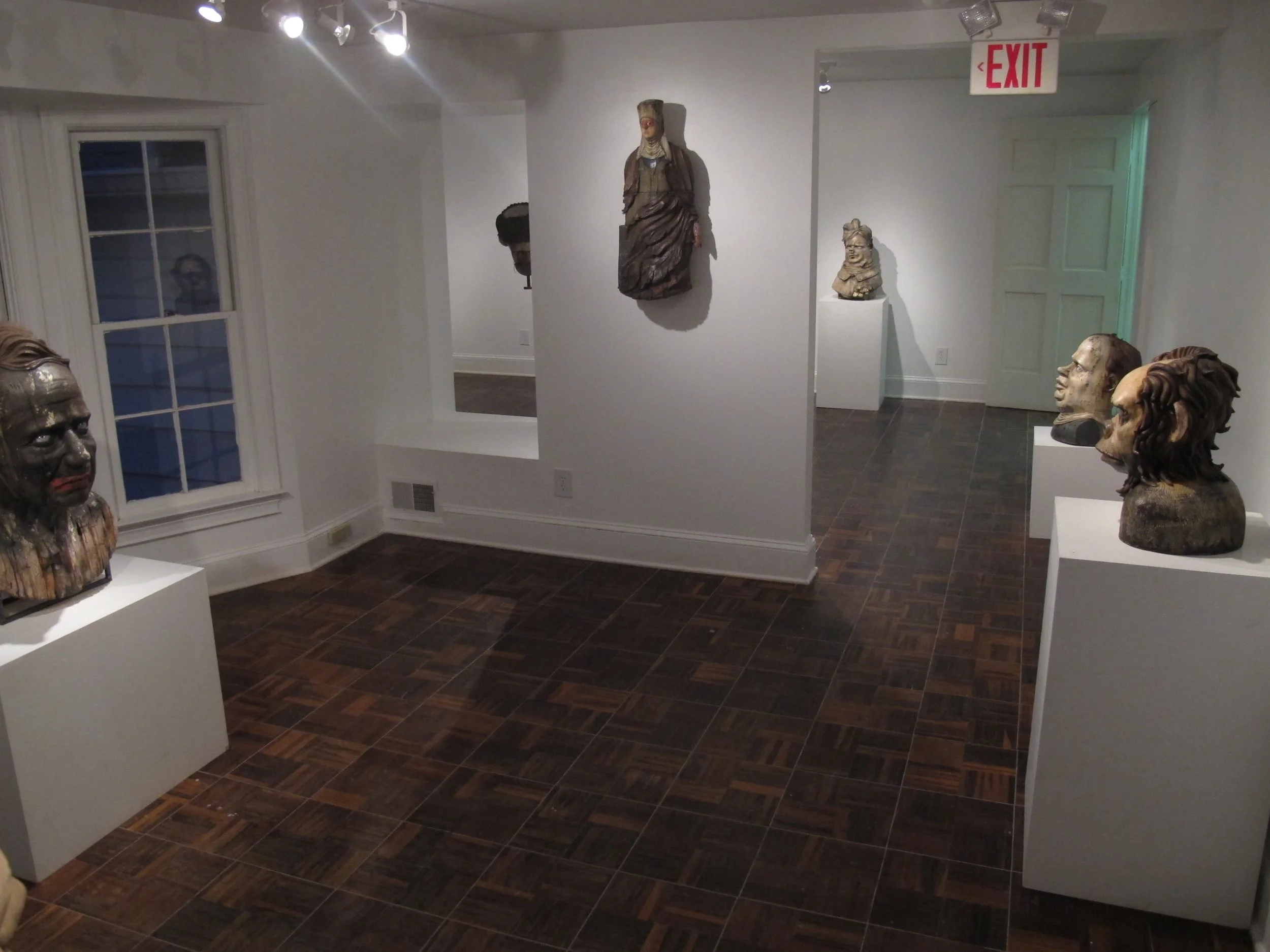
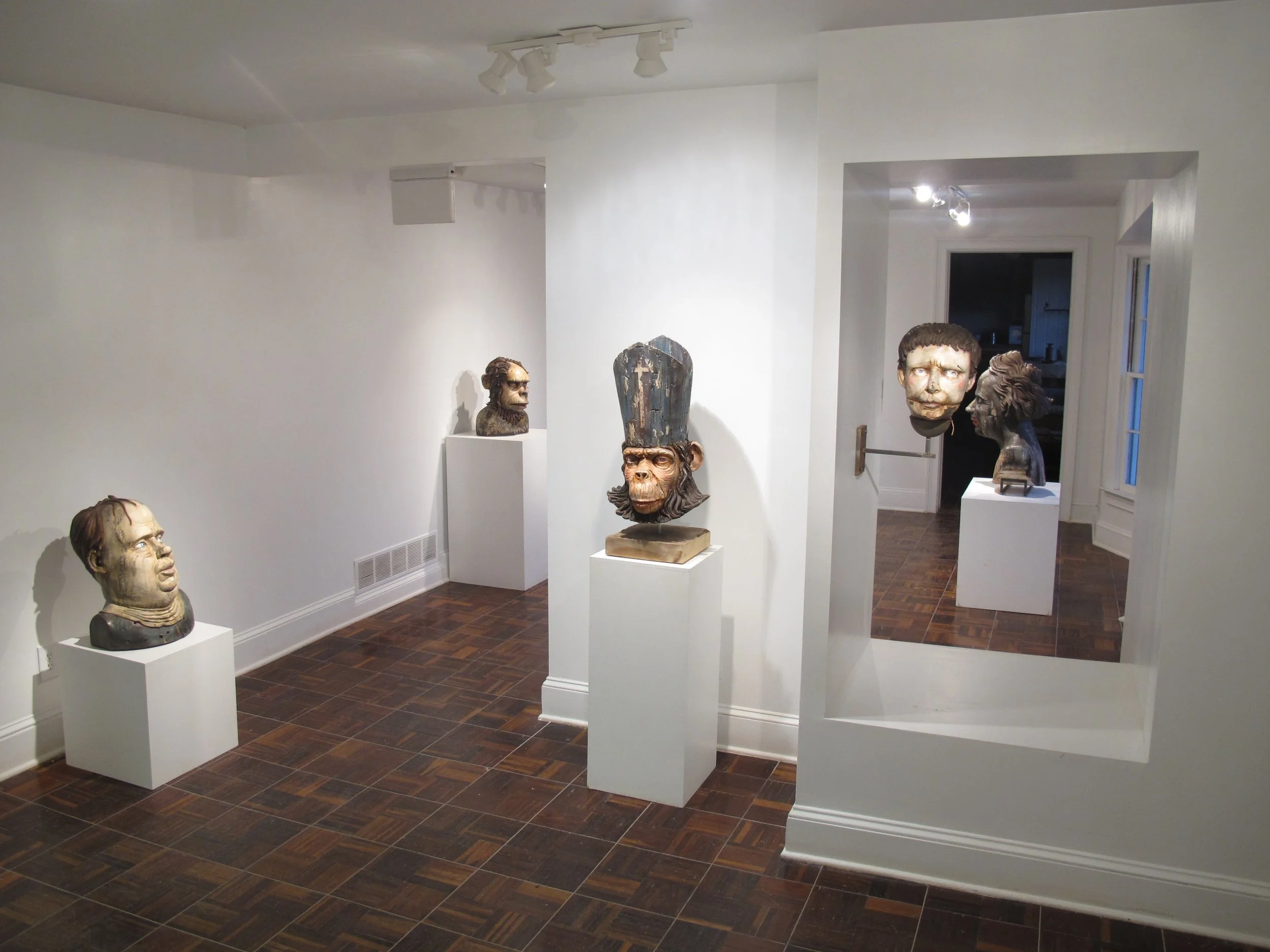
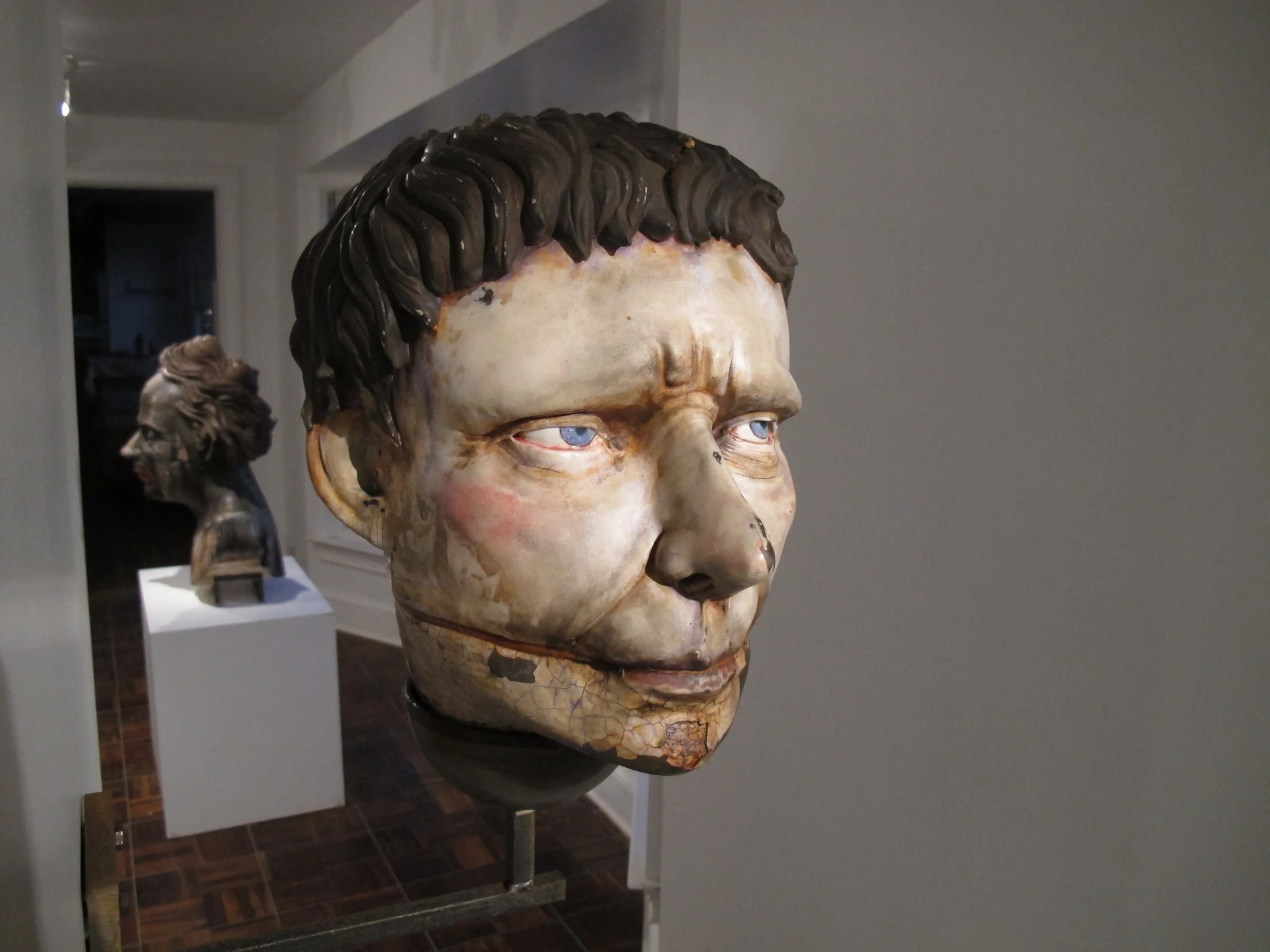
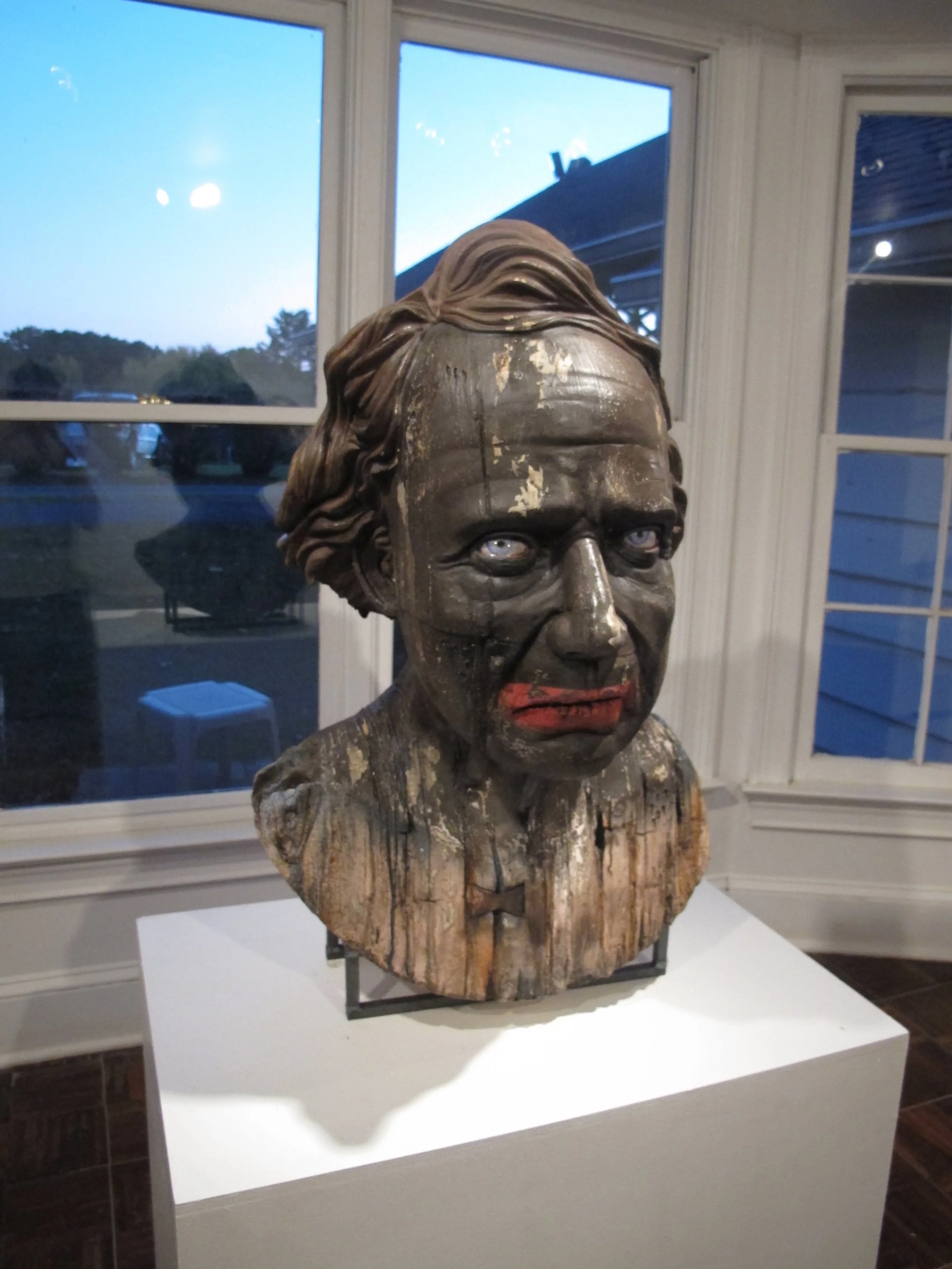
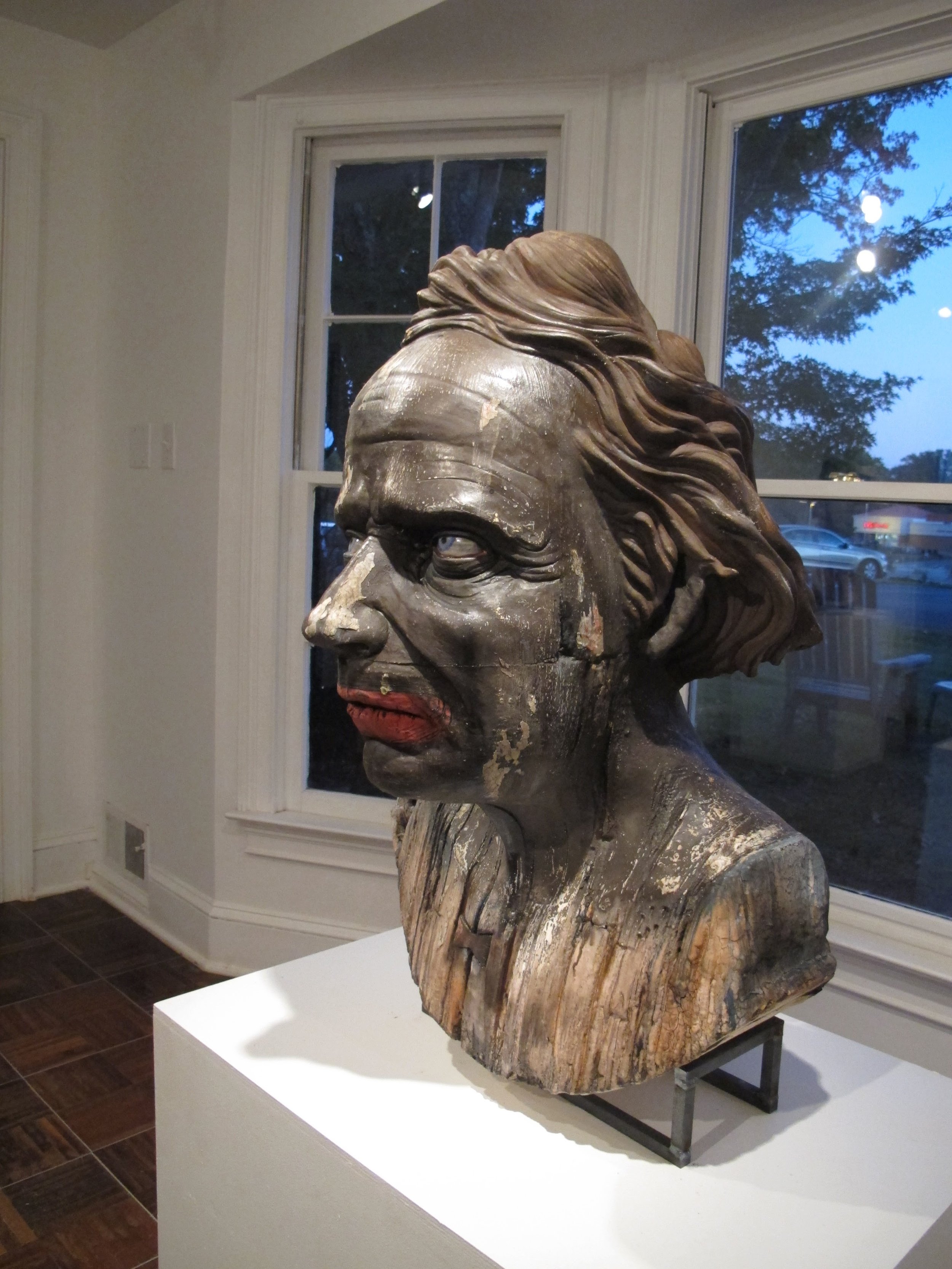
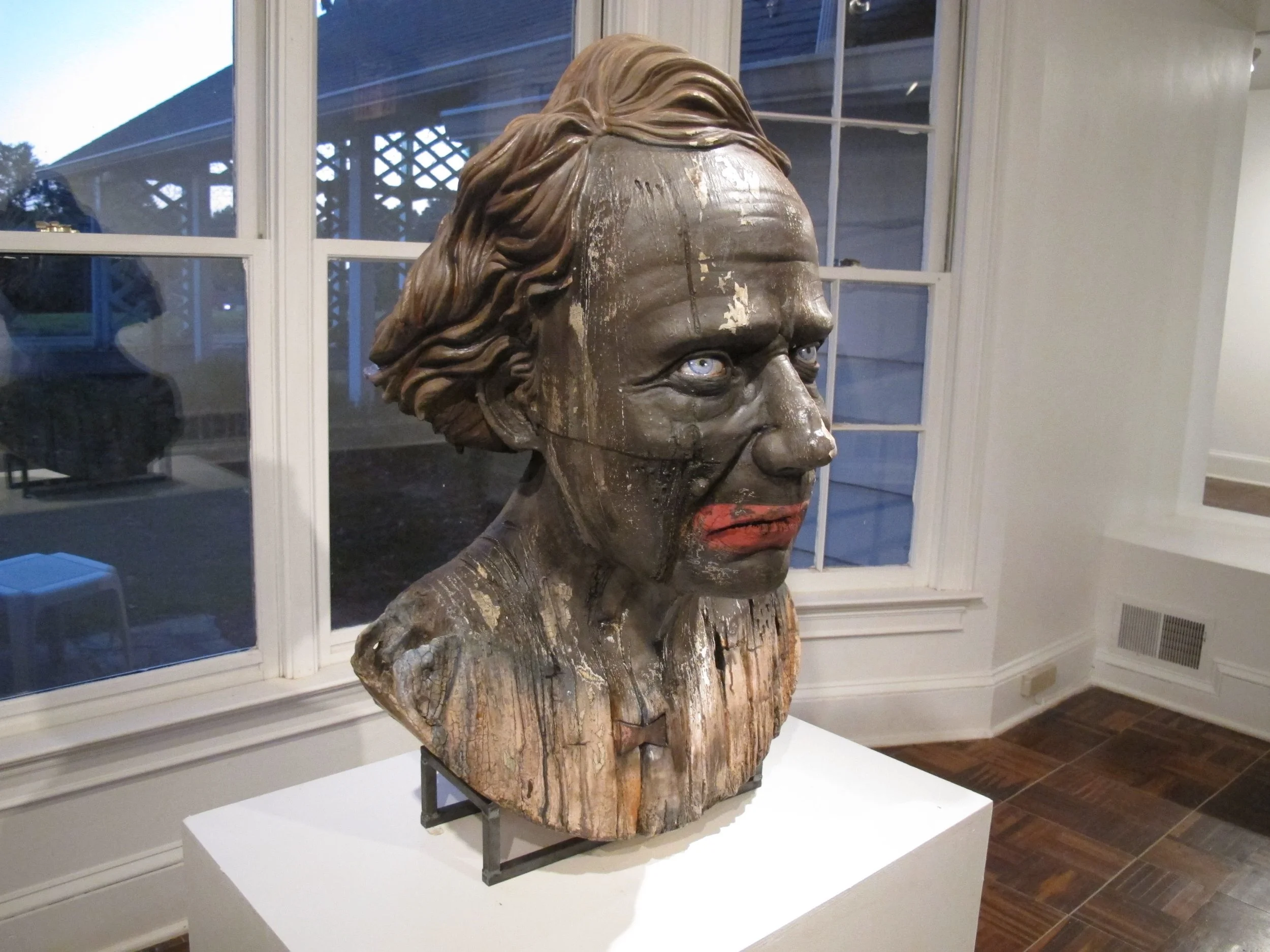
The objects in Artificial Artifacts appear to have come from another time, though it is never clear which one. They suggest relics, discarded toys, and fragments of stories whose origins have been lost. Each carries the signs of a life before its own making.
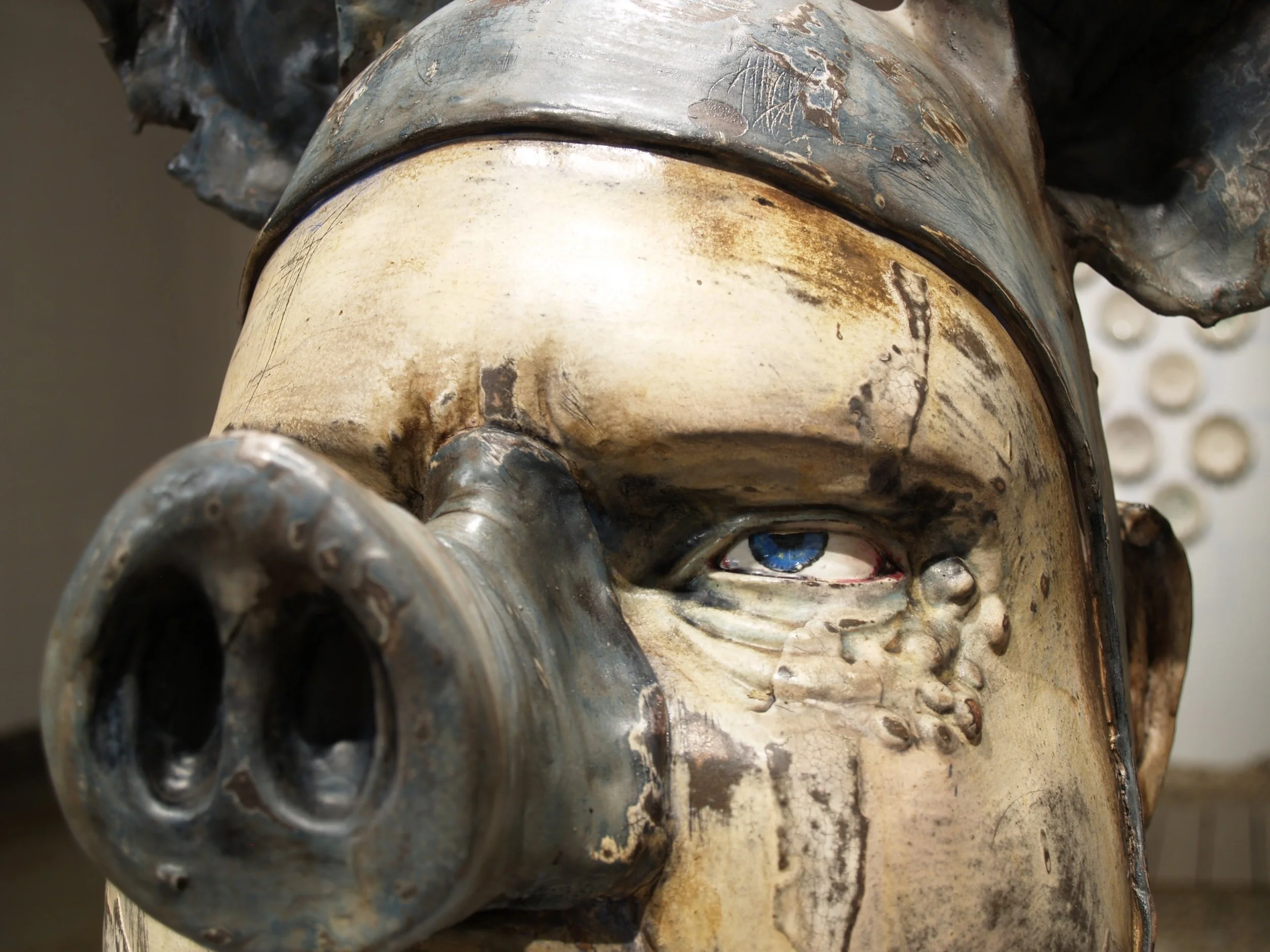
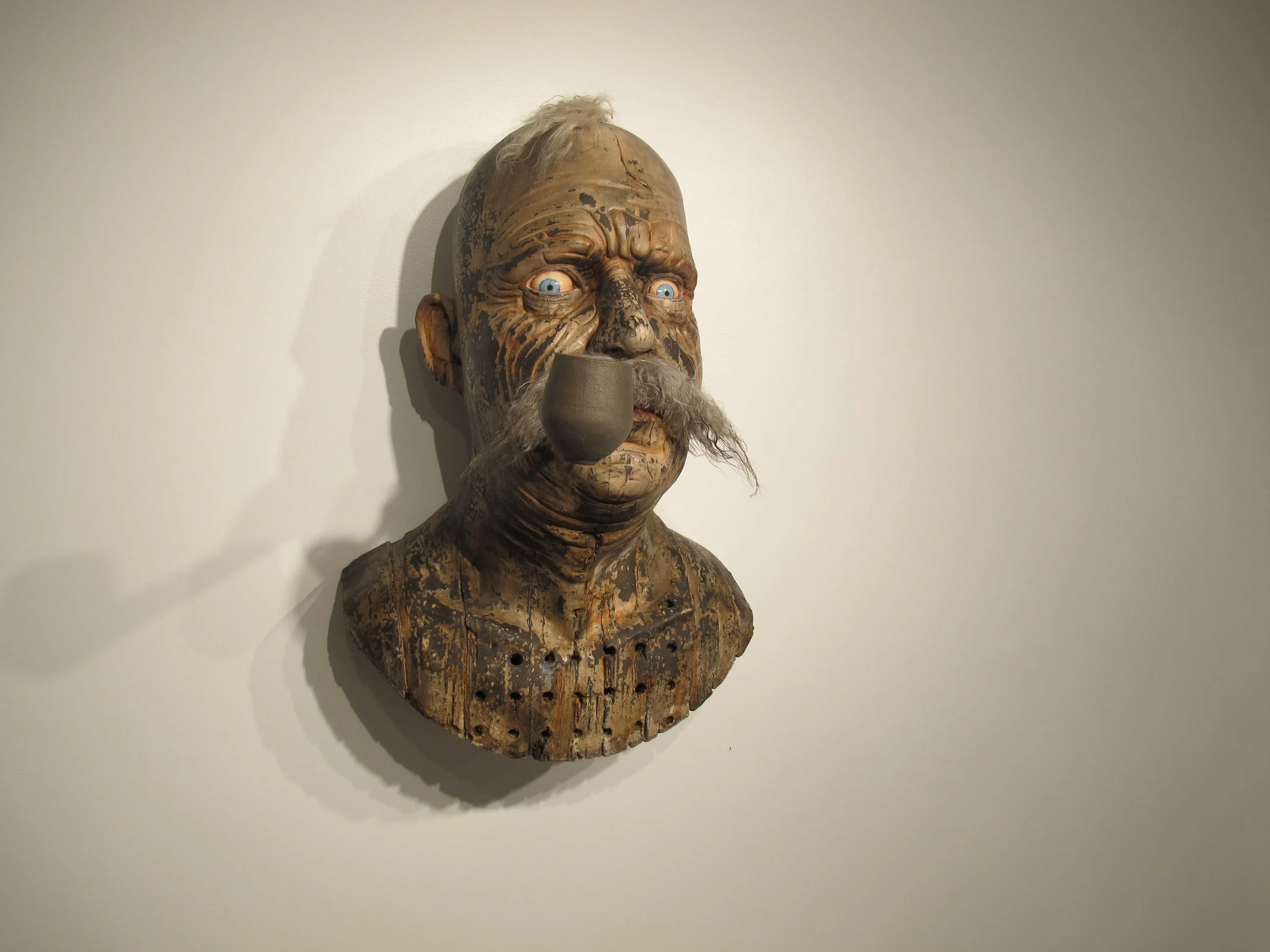
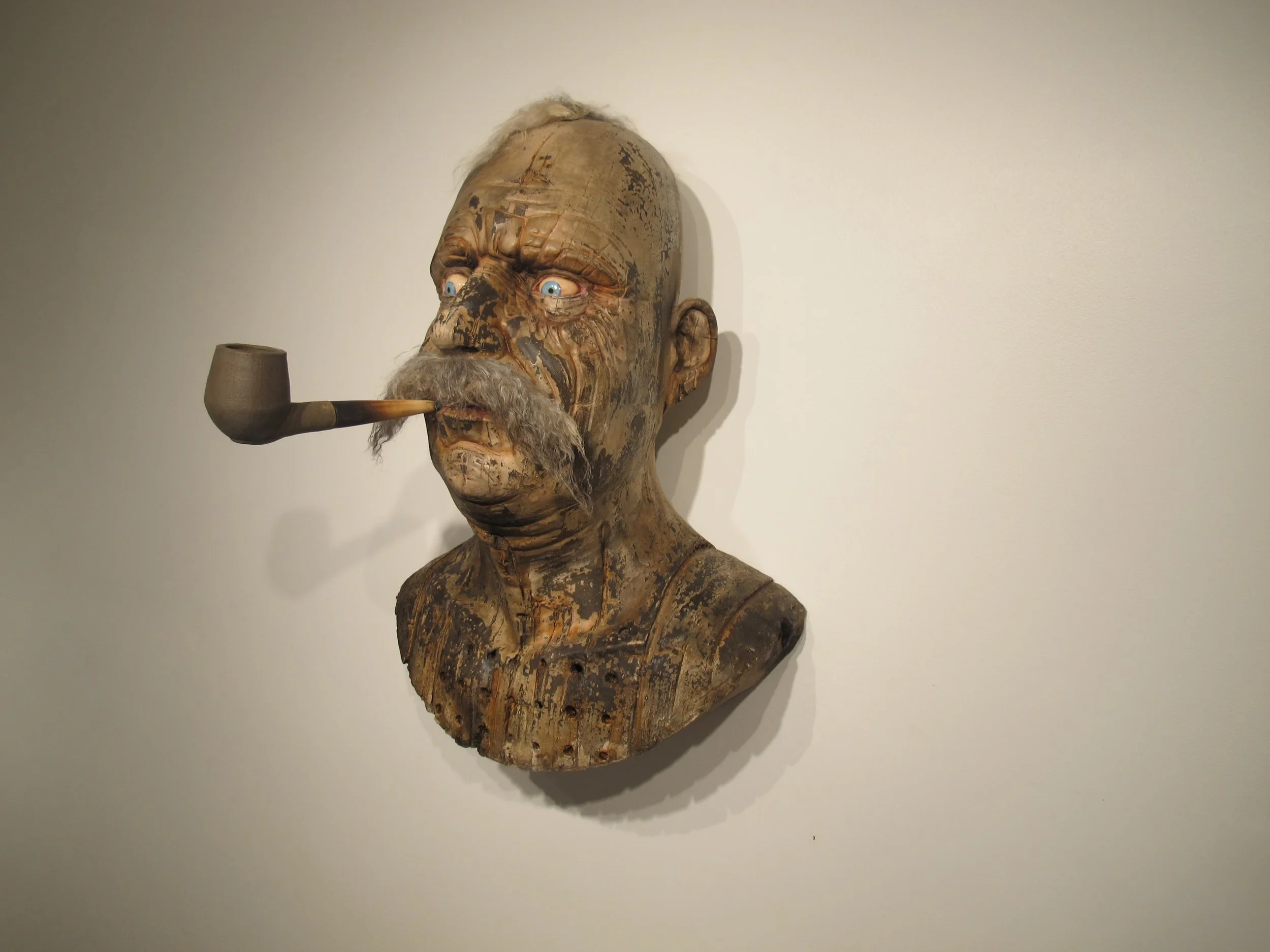
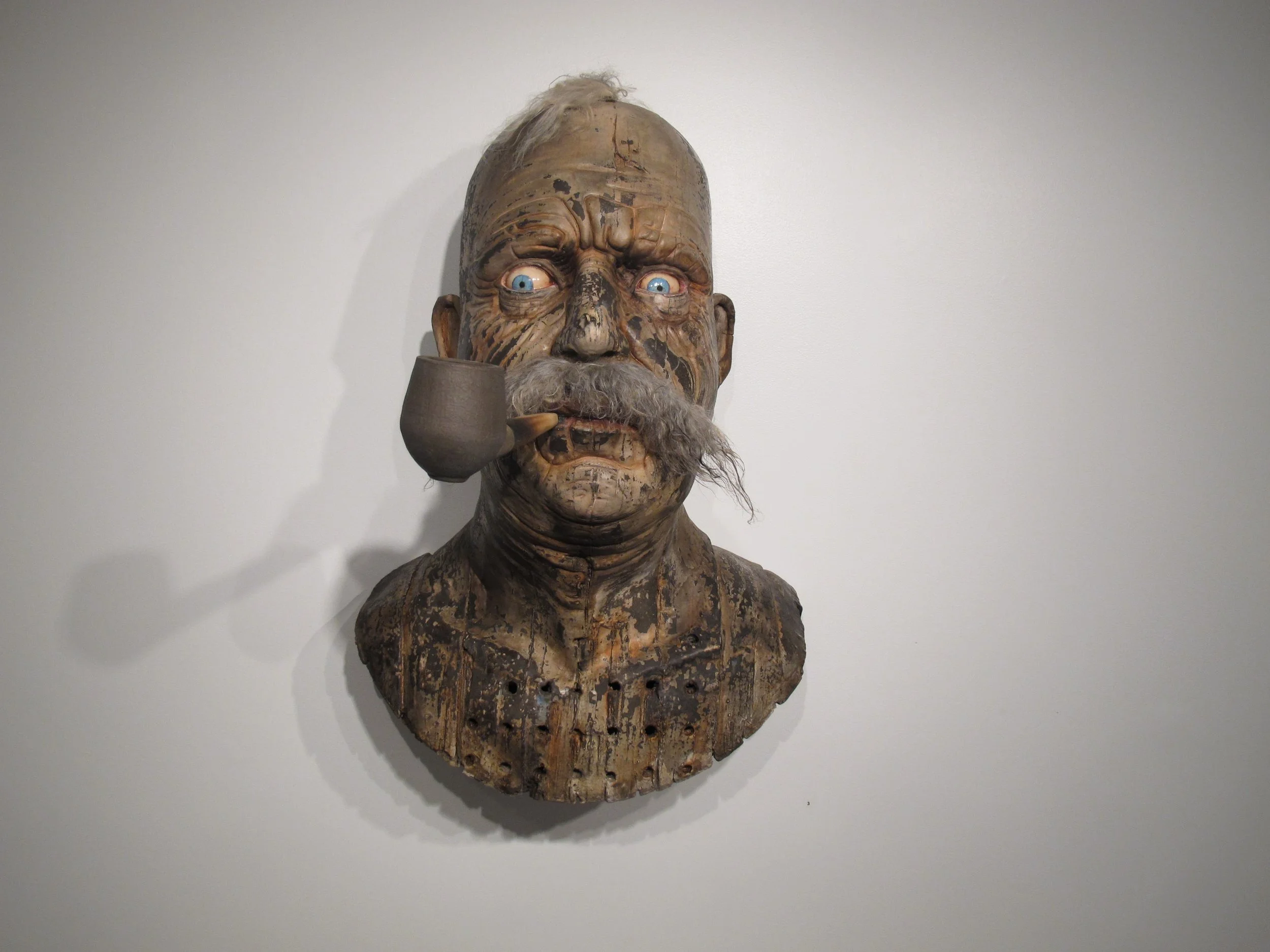
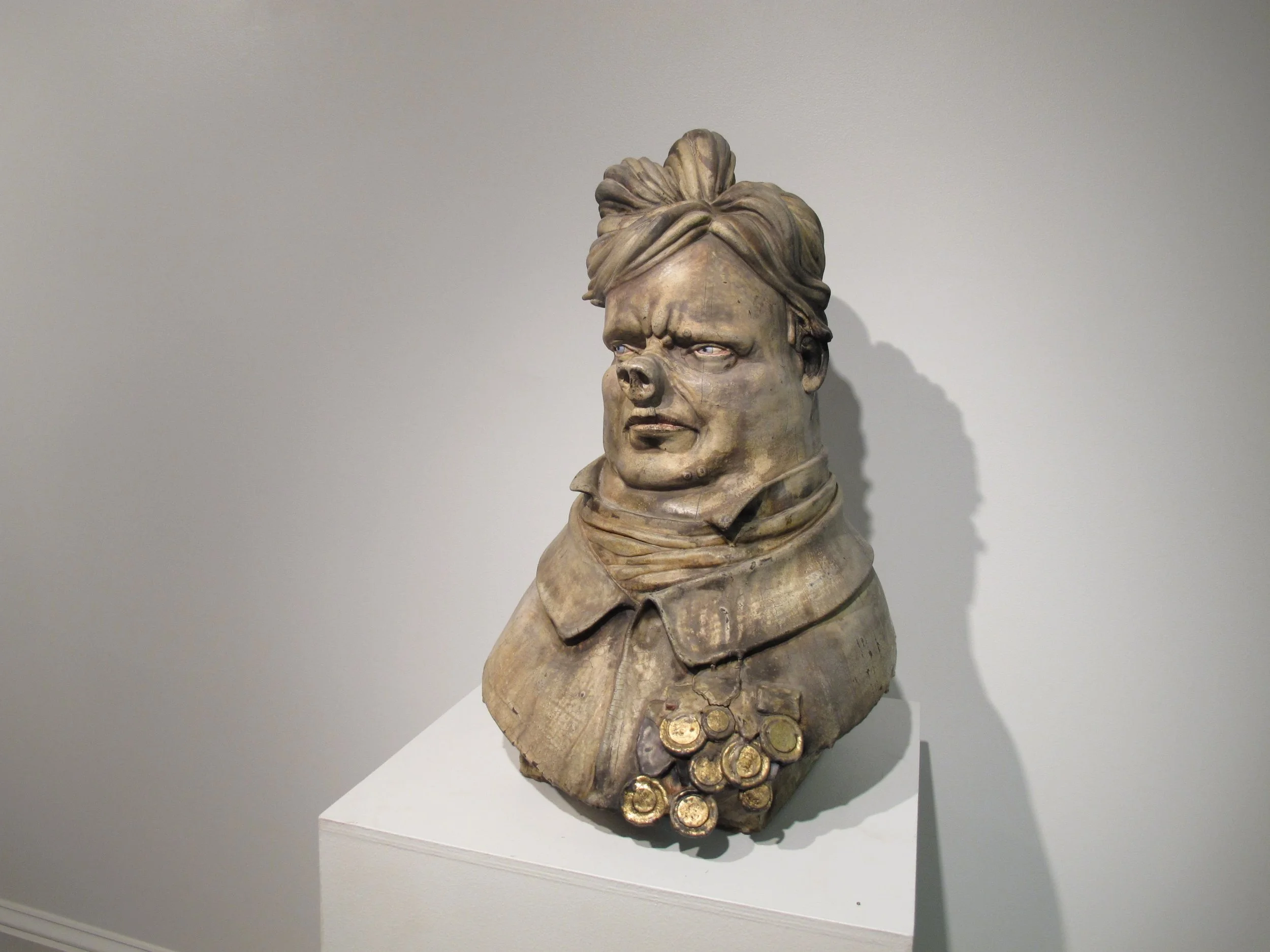
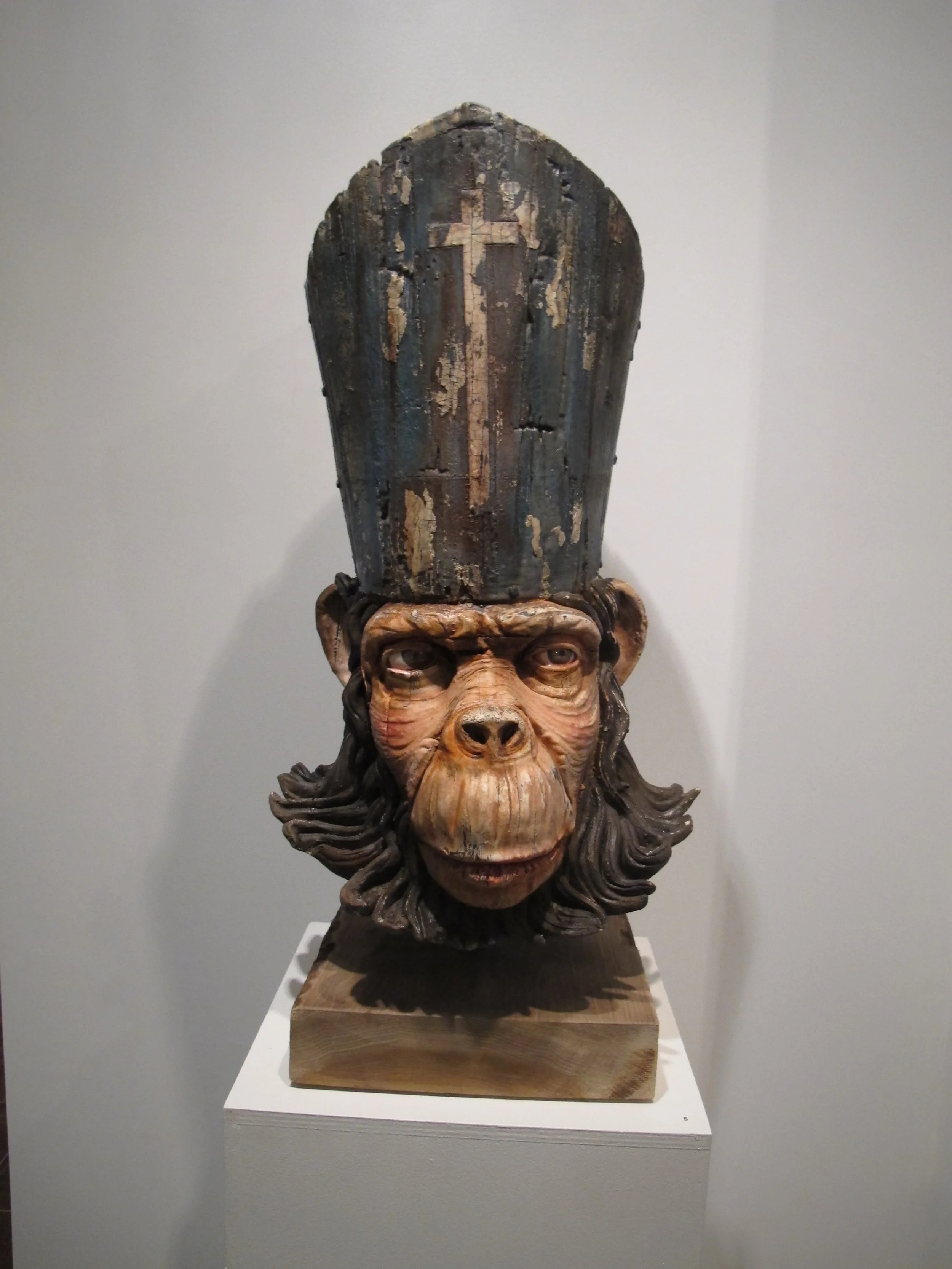
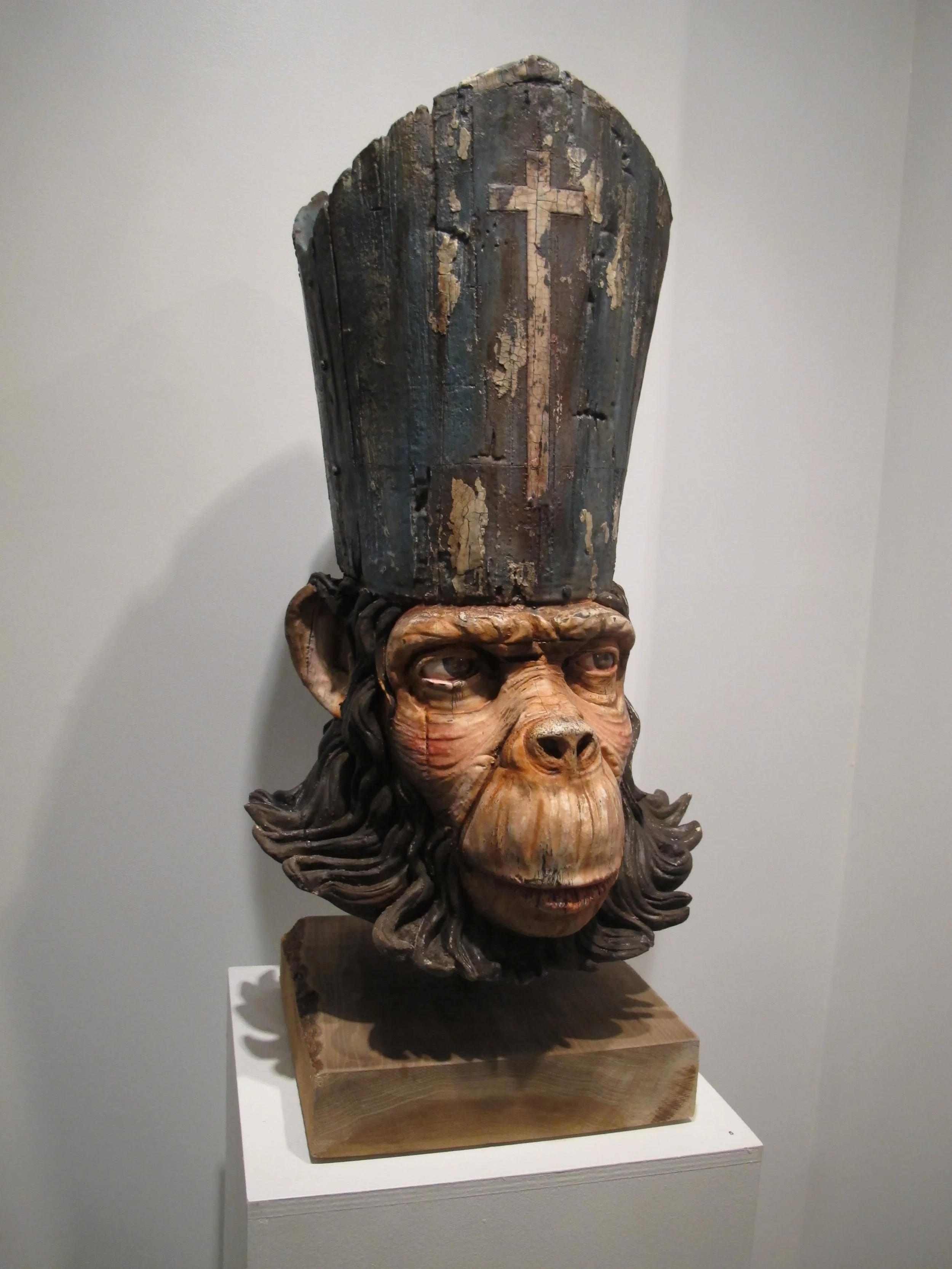
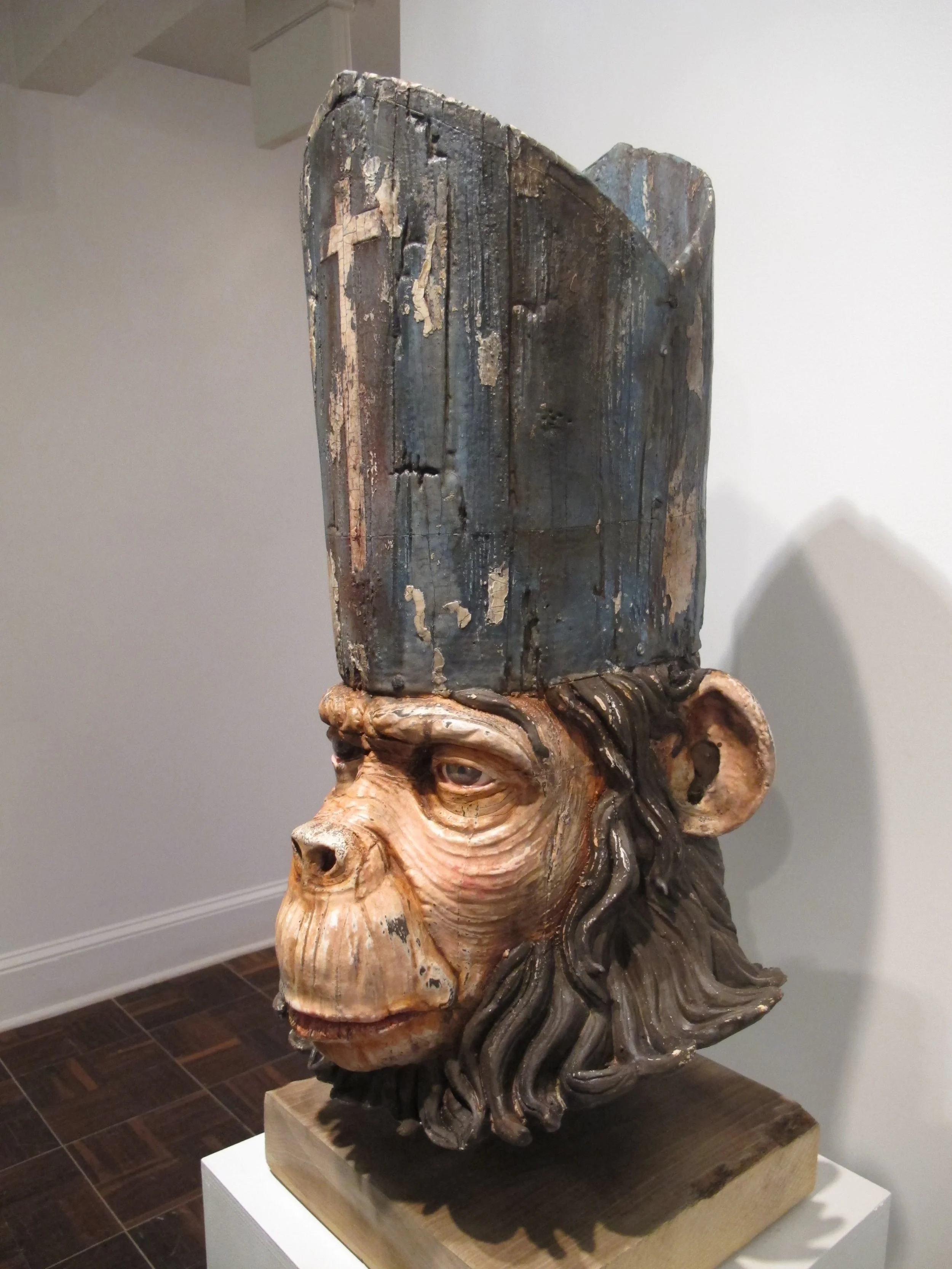
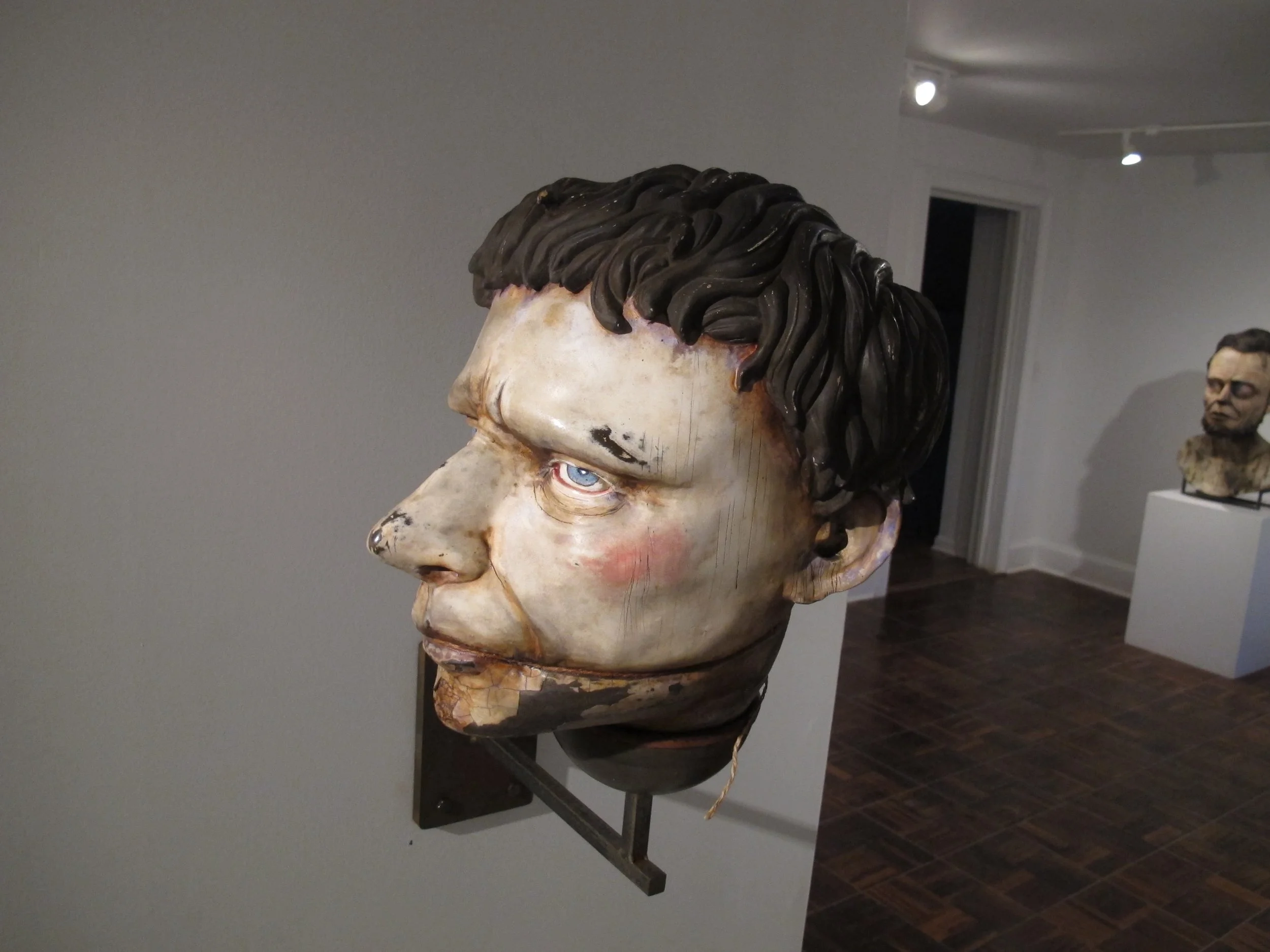
I use trompe l’oeil to give ceramic the appearance of wood, while slips and glazes mimic chipped, weathered paint. These surfaces imply years of handling, neglect, and repair. The objects feel familiar, but their histories remain open to question: Who made them? What were they used for? Why were they kept?
That uncertainty is where the work lives. Drawing on personal myth, human quirks, and dark humor, I make objects that seem out of time and out of place. They offer pieces of a narrative without settling on a single account. Viewers are left to decide what is artifact, what is invention, and what might lie somewhere between.
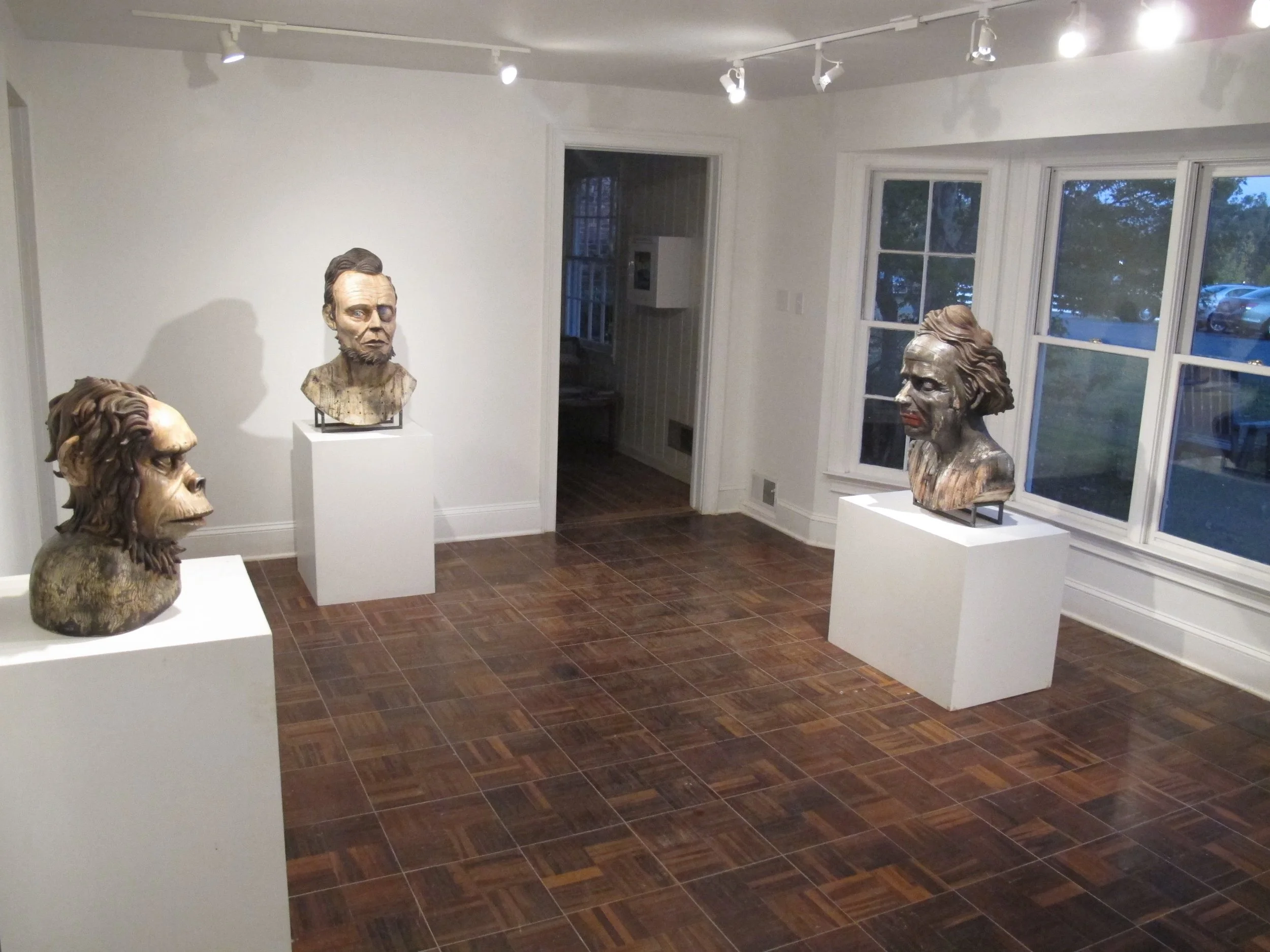
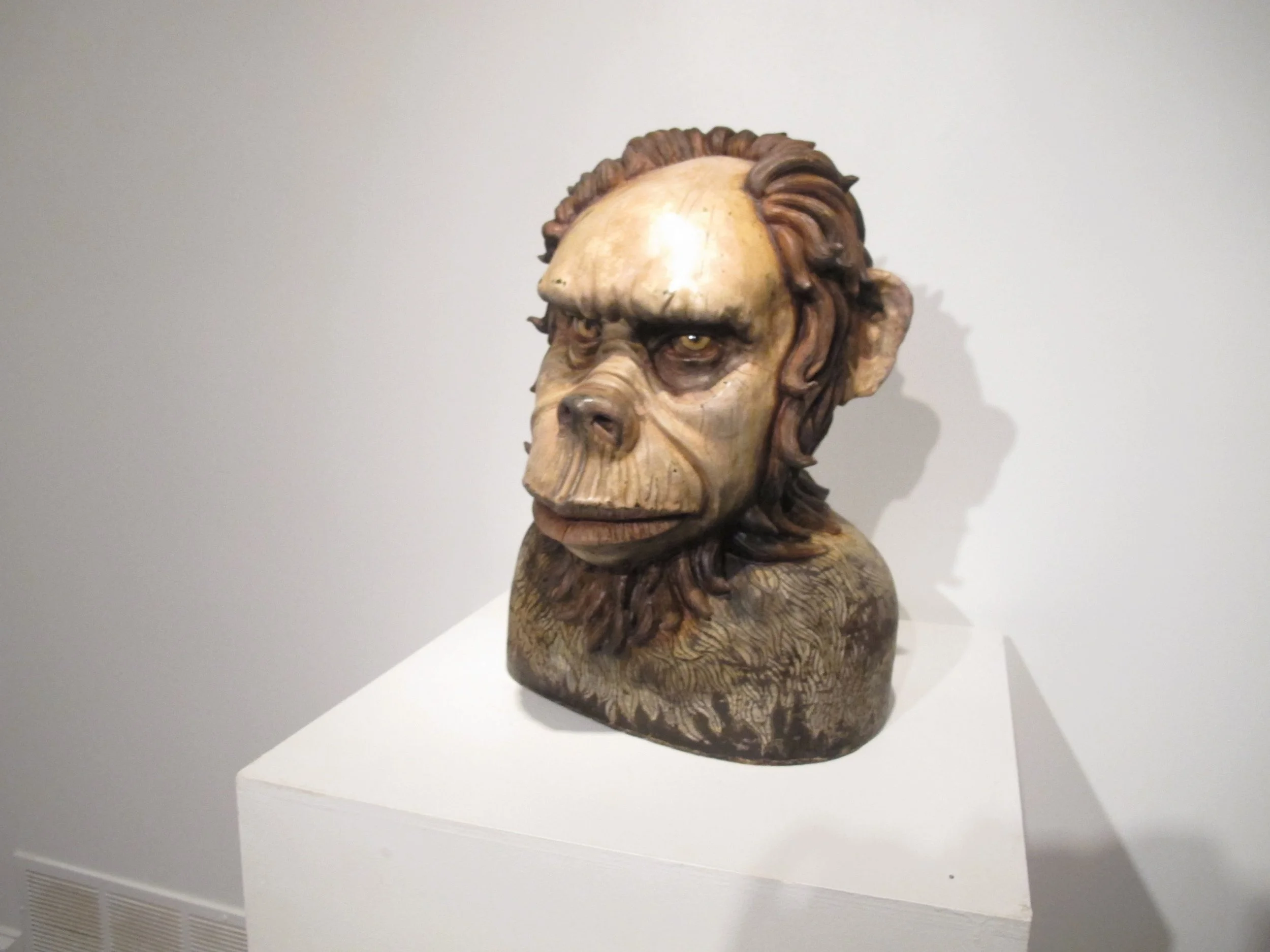
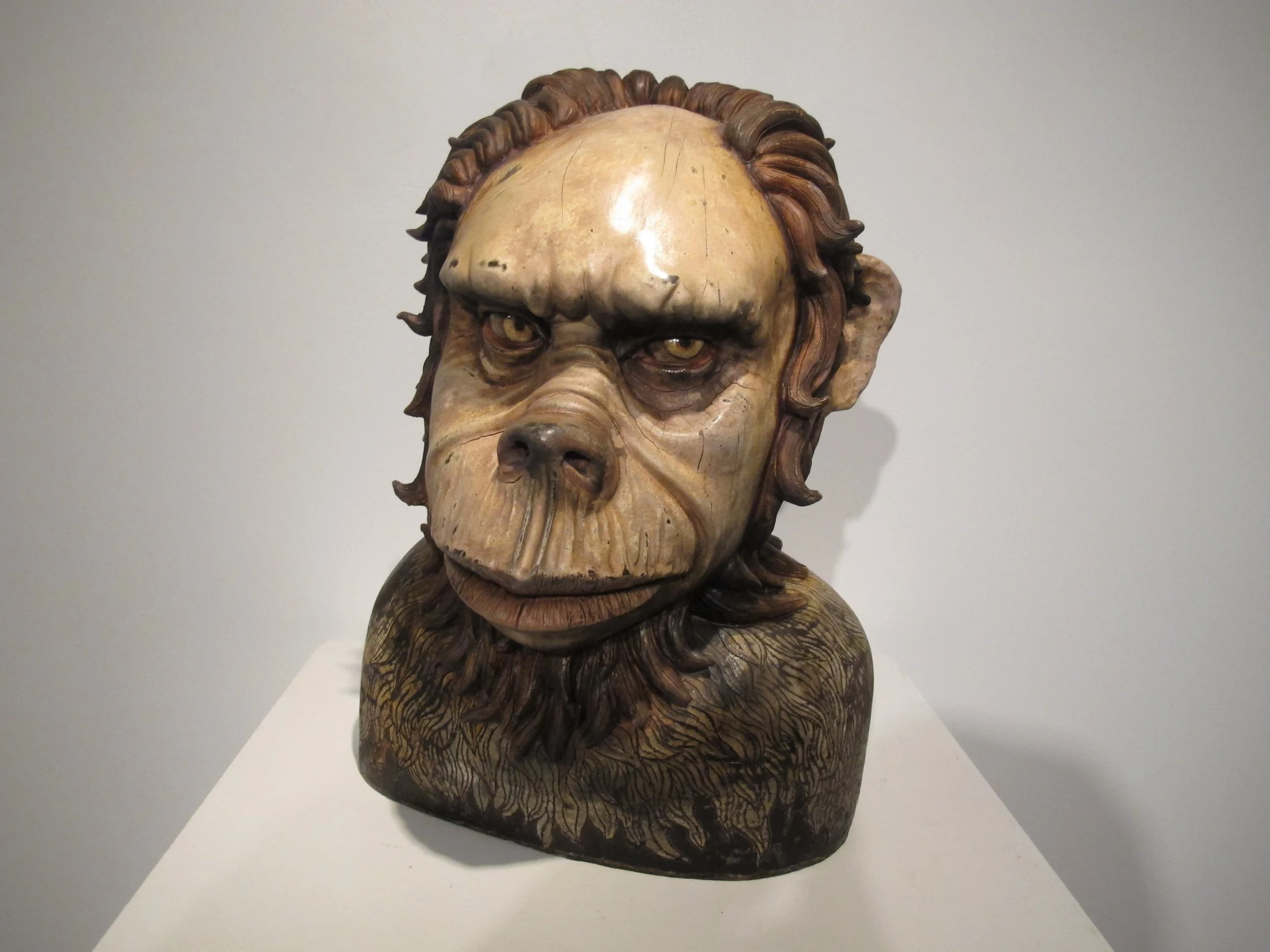
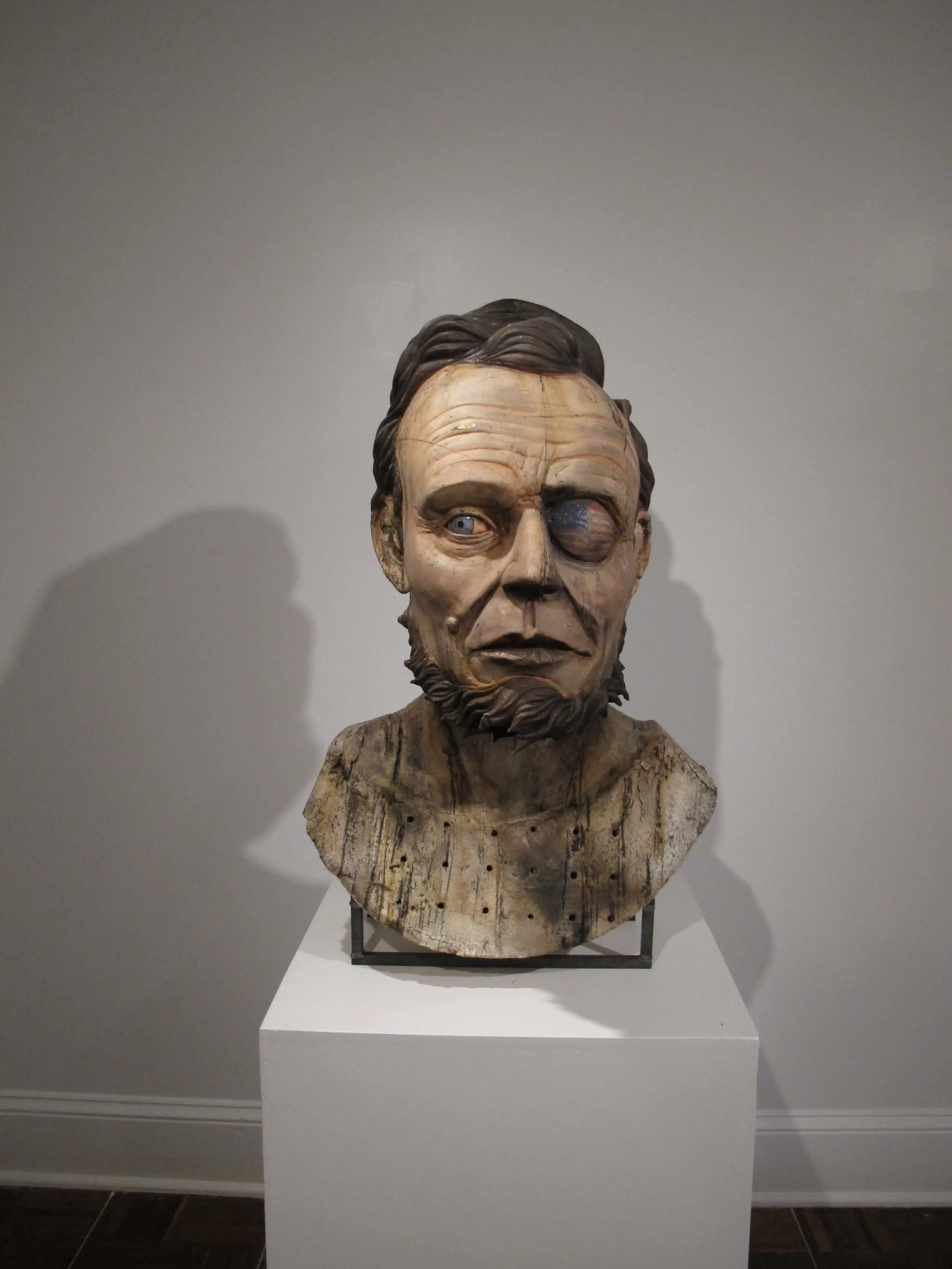
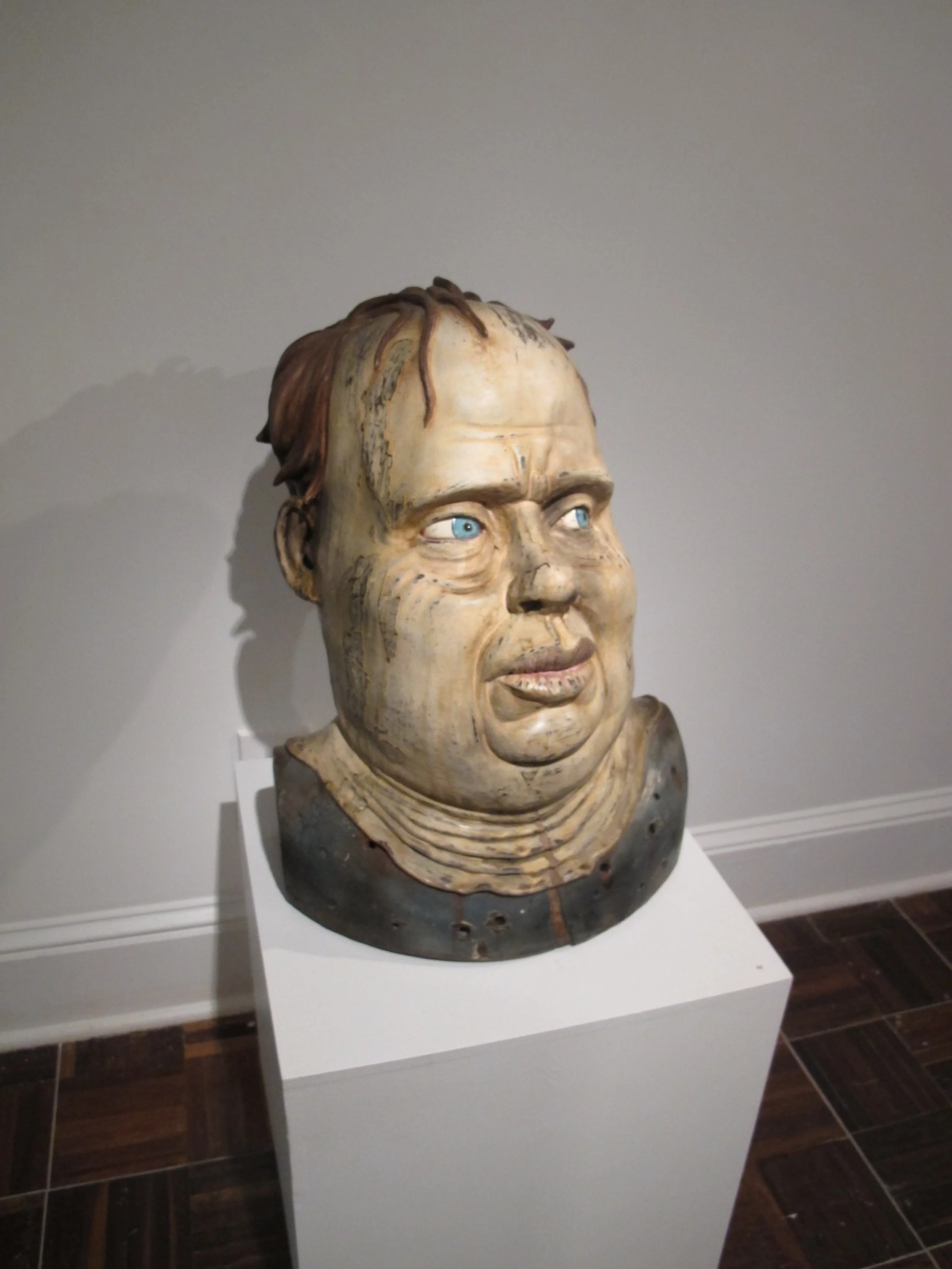
Yes Sir No Sir This Way That
Statement
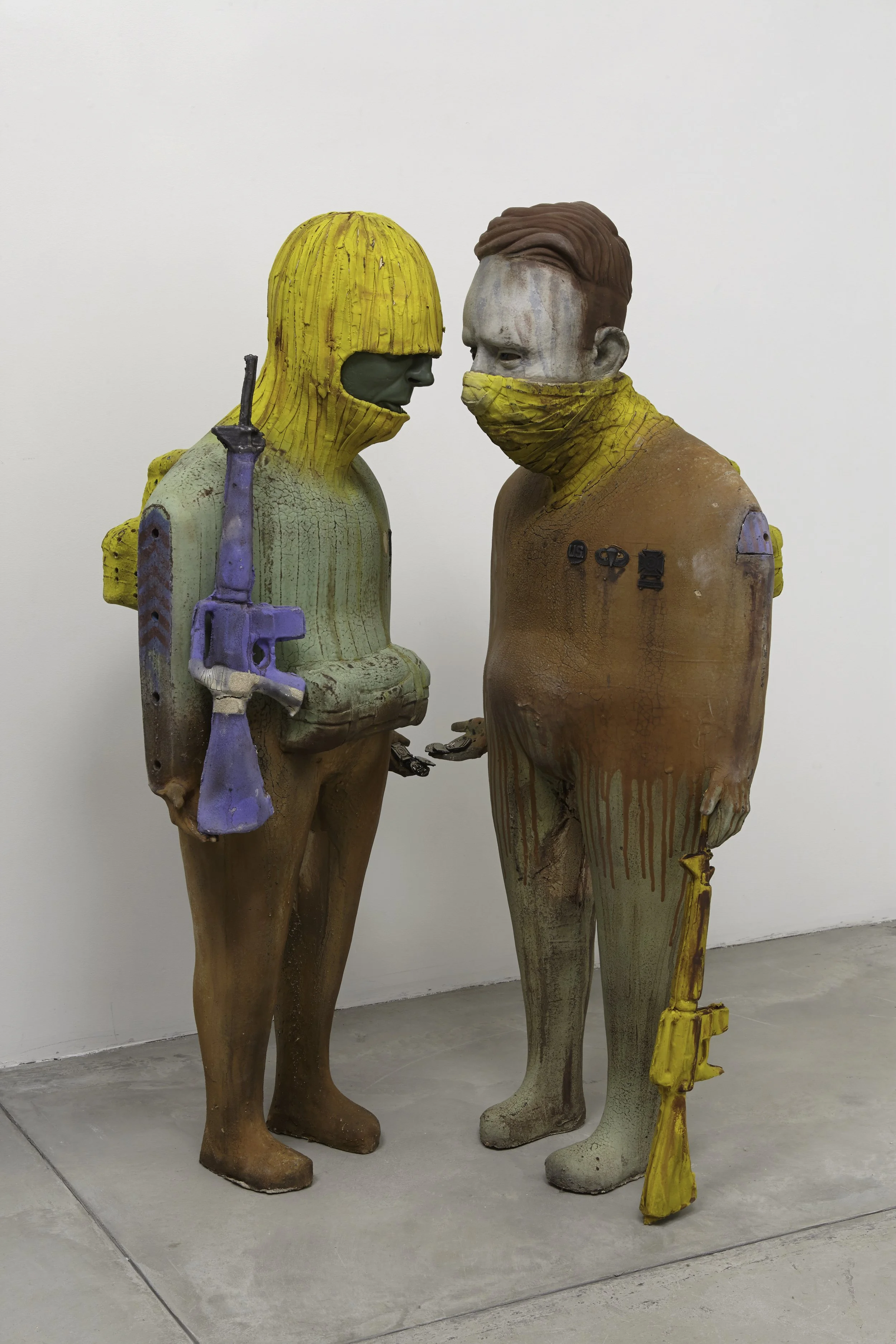
I enlisted in the US Army at 17, the summer before my senior year. I didn’t know what I wanted to do with my life, but I wanted structure and purpose. The recruiter asked if I wanted to jump out of airplanes, run through the woods, and bite the heads off snakes. I told him the airplanes sounded fun. From 1996 to 1999, I served as a combat engineer in a rapid response airborne unit.
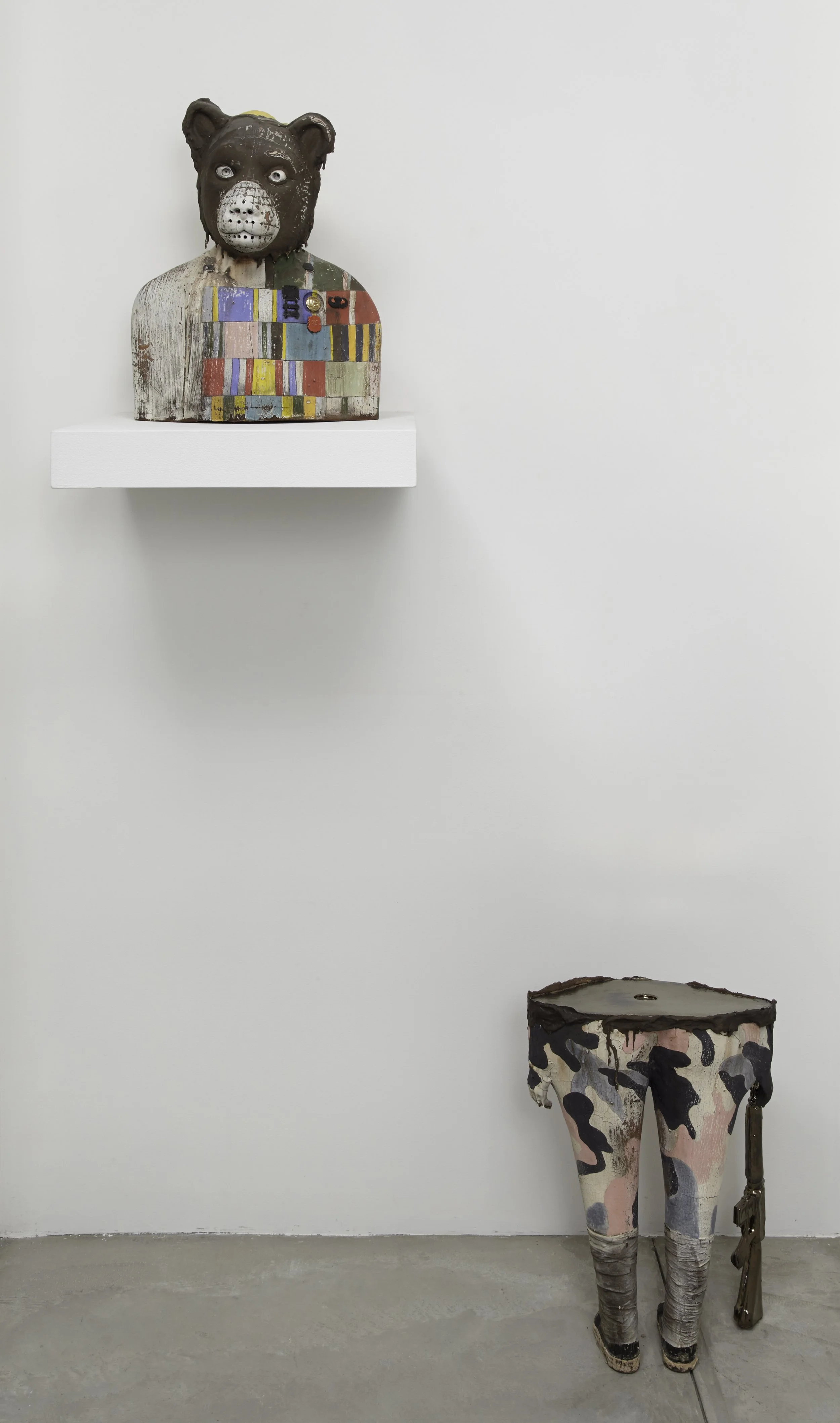
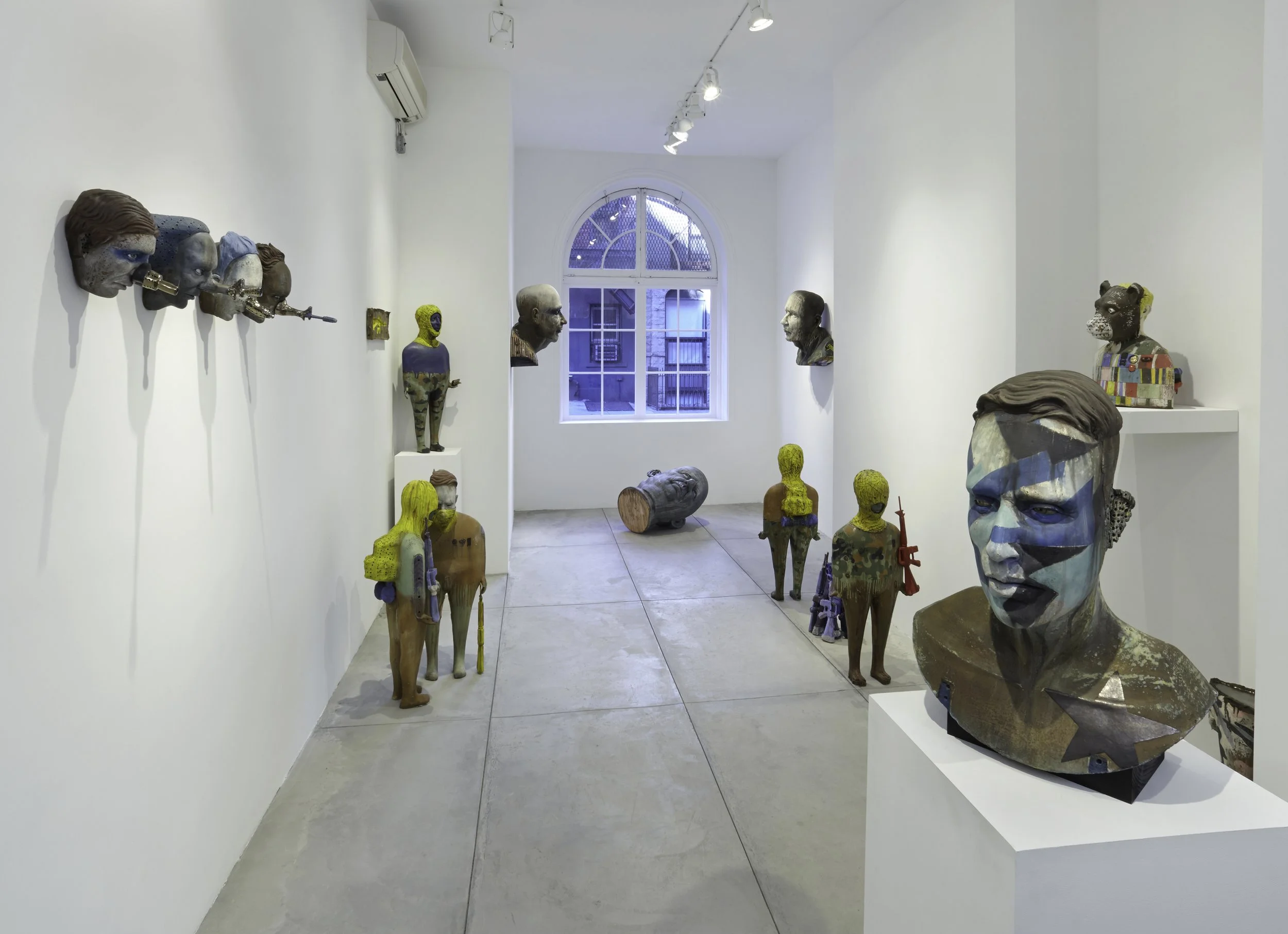
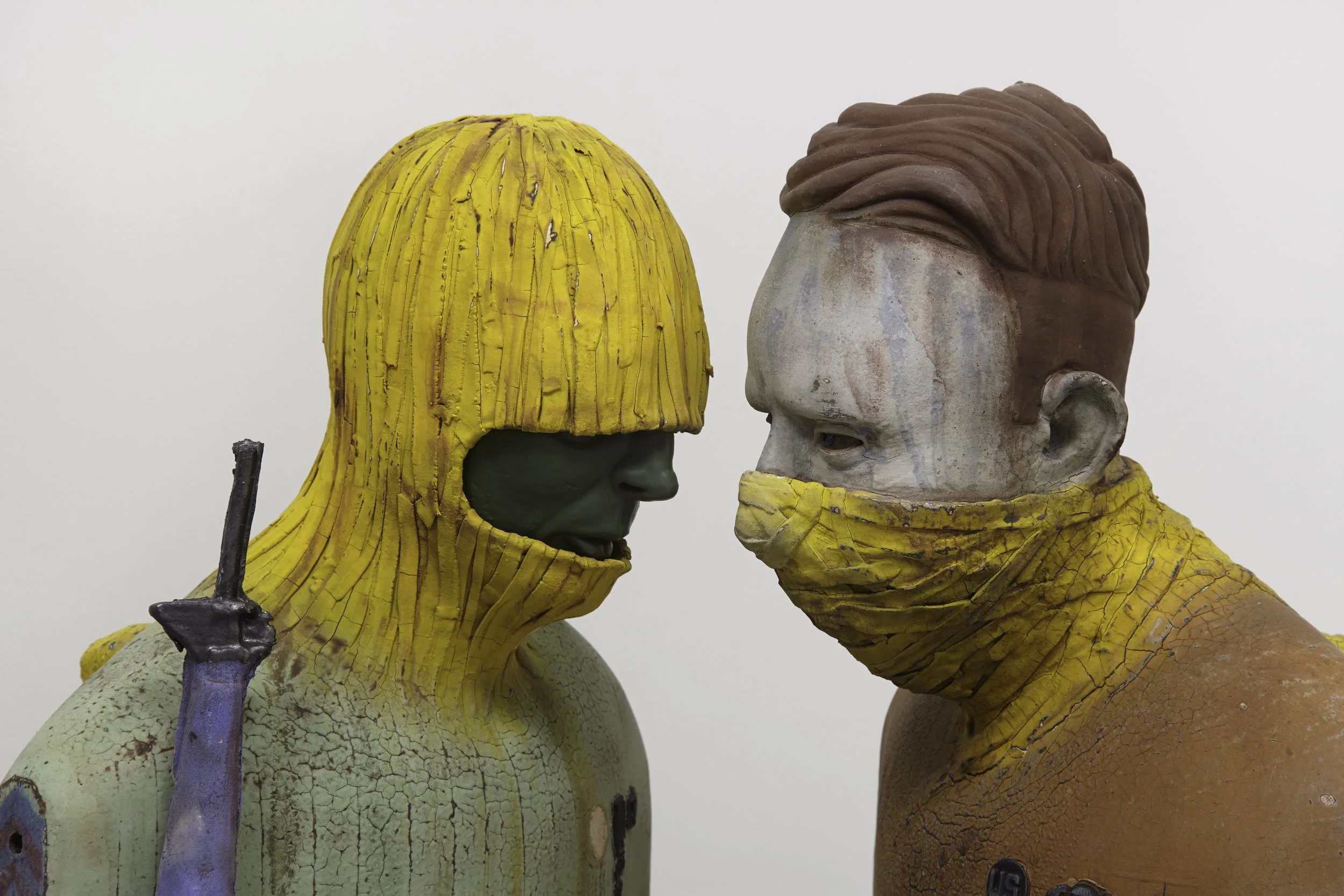
This exhibition draws on the people I encountered during those three formative years and on memories that continue to surface when I see military conflict in the news. I have immense respect for the sacrifices service members make, but I remain skeptical of the military system and its practices. Ceramic sculpture and portraiture let me explore both the people within that system and the ways it shapes them. The stories change, but the characters remain the same.
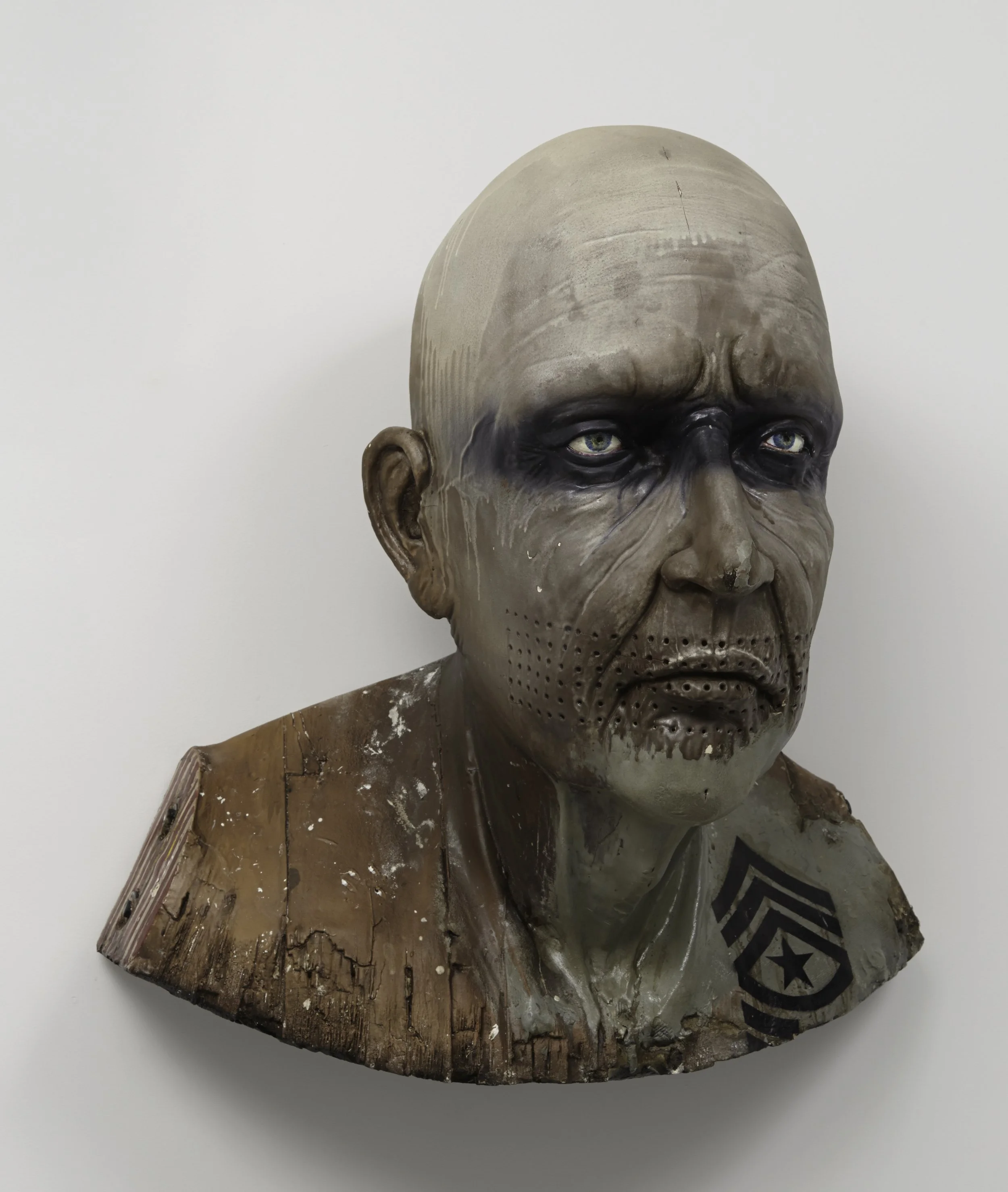
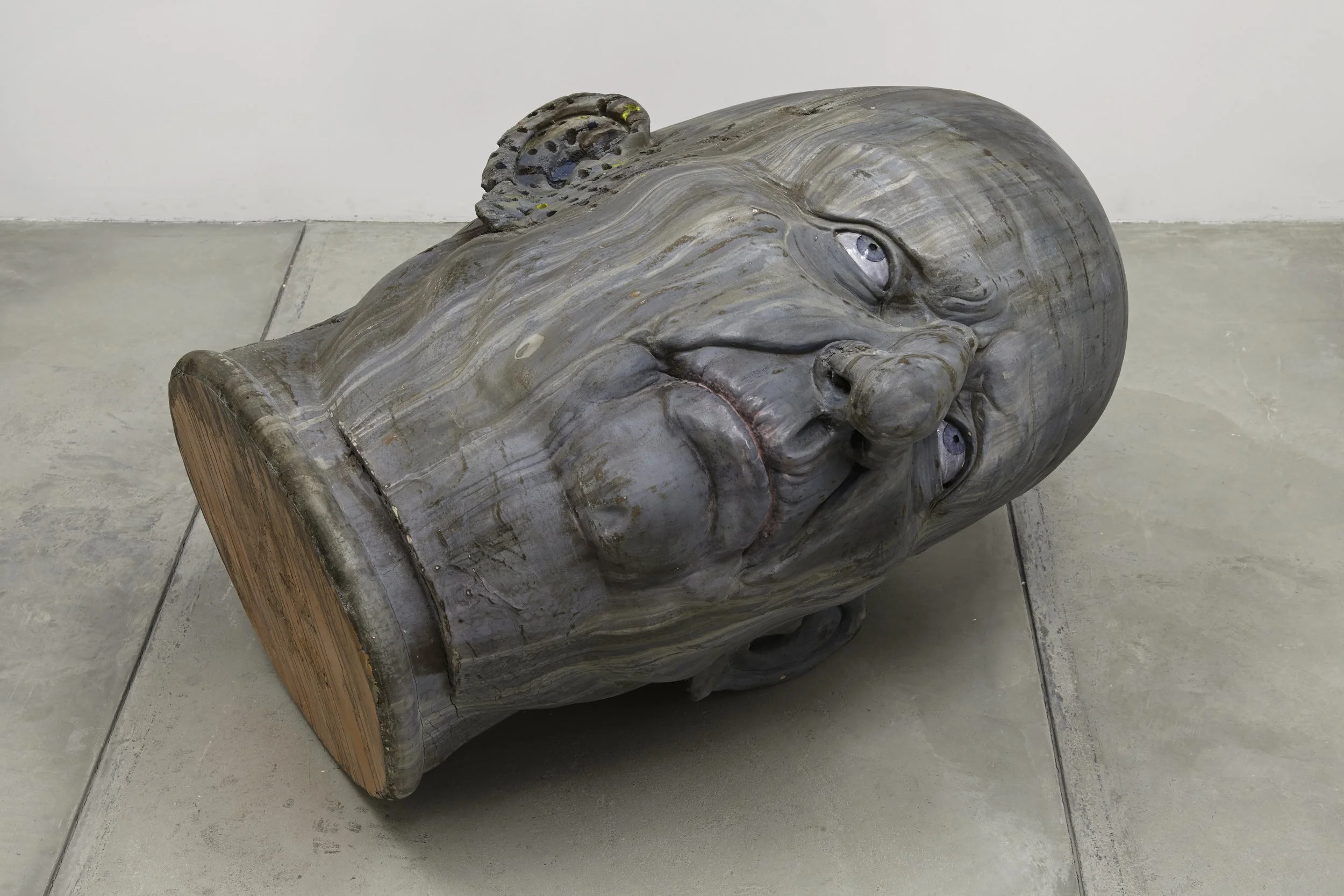
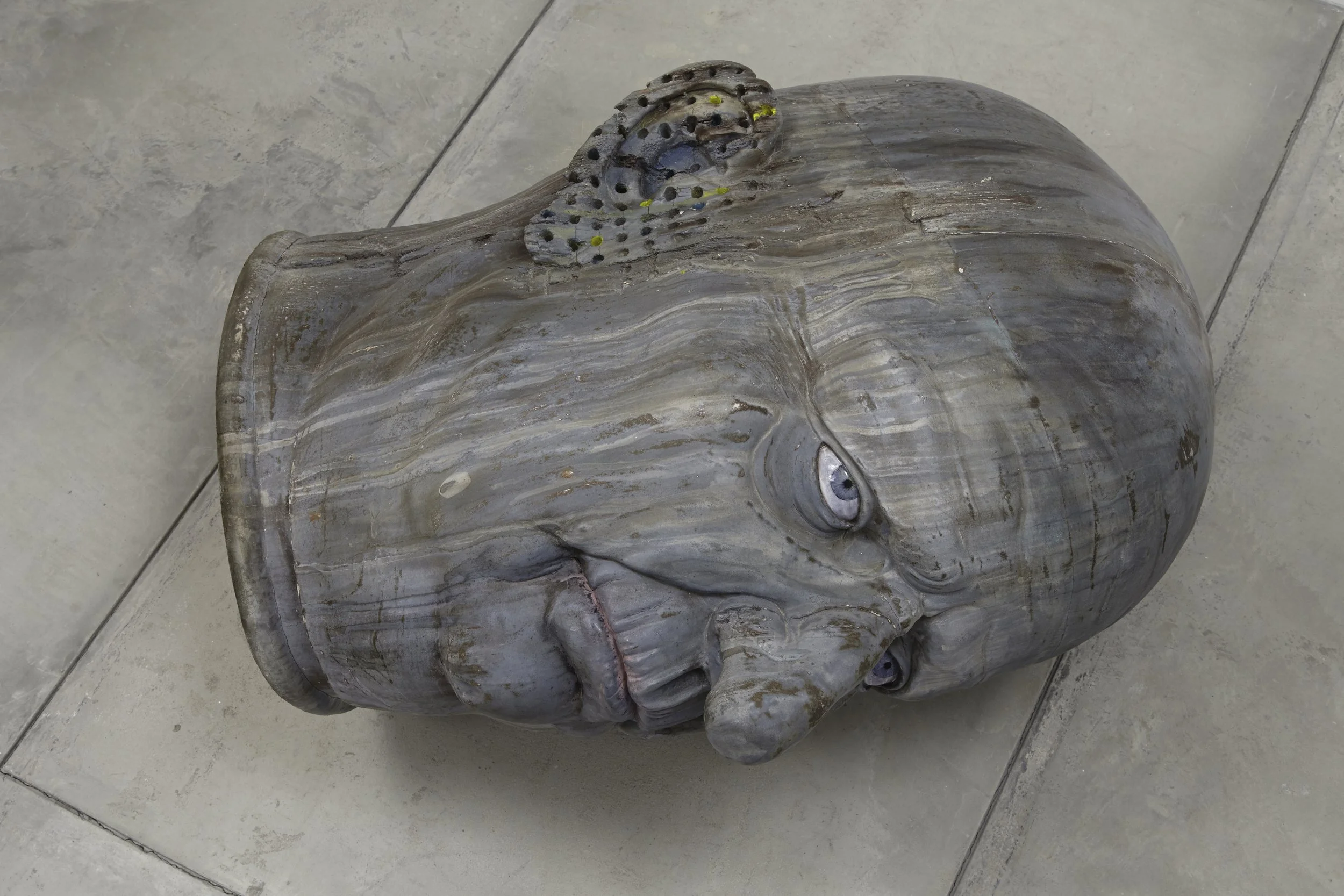
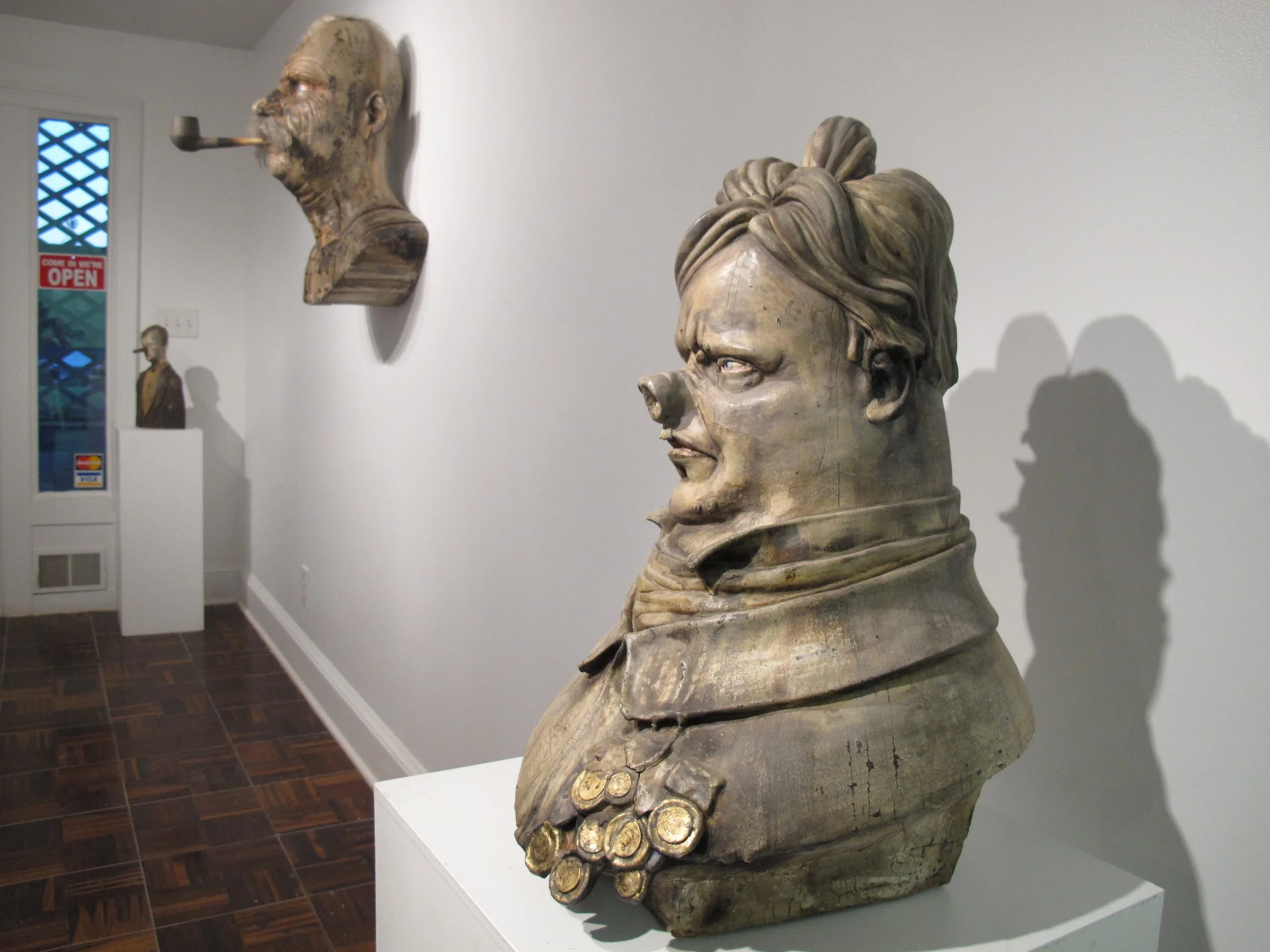
Scale reflects rank and years of service. My love of cartoons and animation shapes the figures’ exaggerated features, while their physical oddities suggest who they have become. The fallen general, the largest piece, resembles a beheaded monument to an overthrown leader. On the wall, a sergeant and sergeant major are stuck in their ranks, battered and weary from hard work and rough nights of drinking.
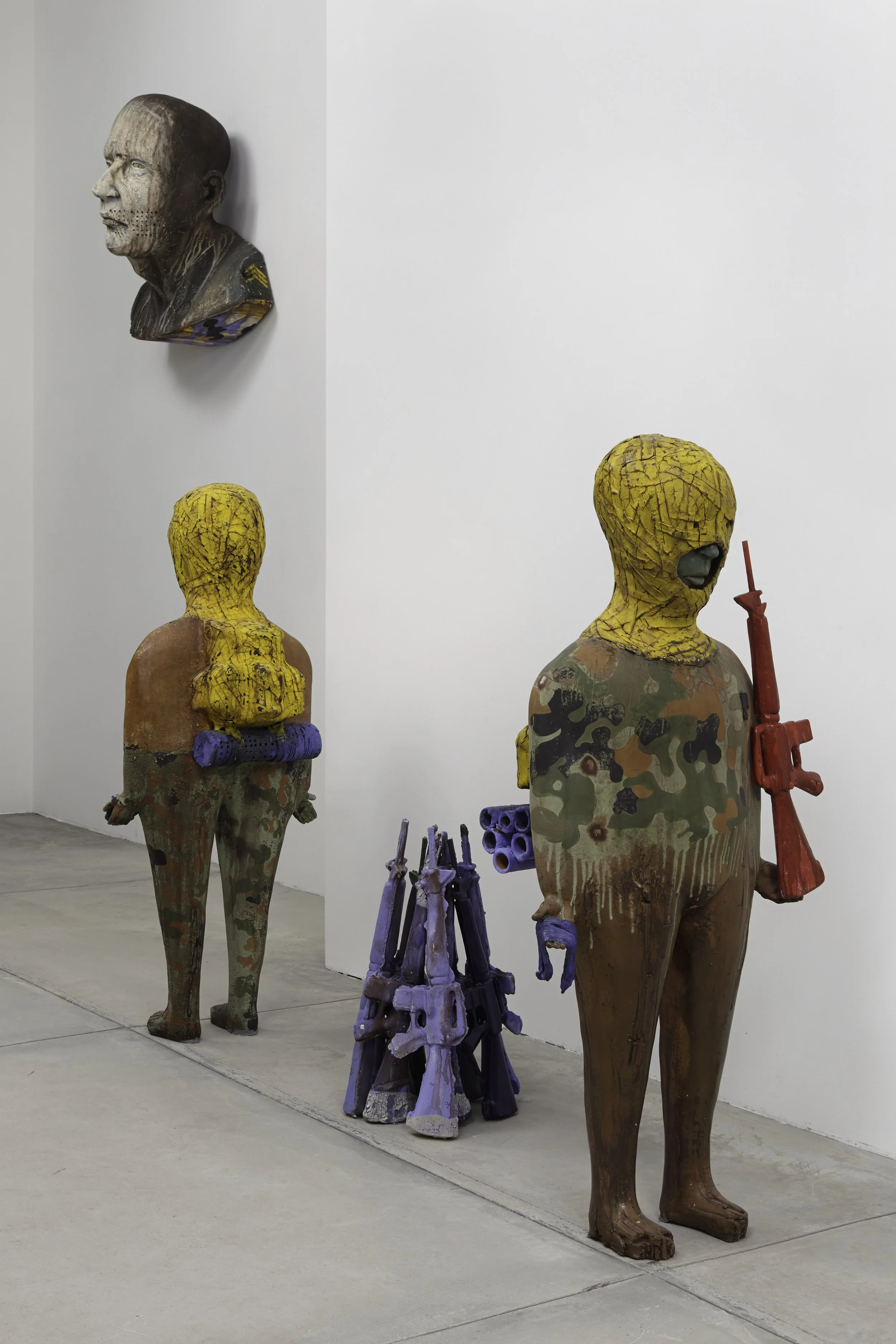
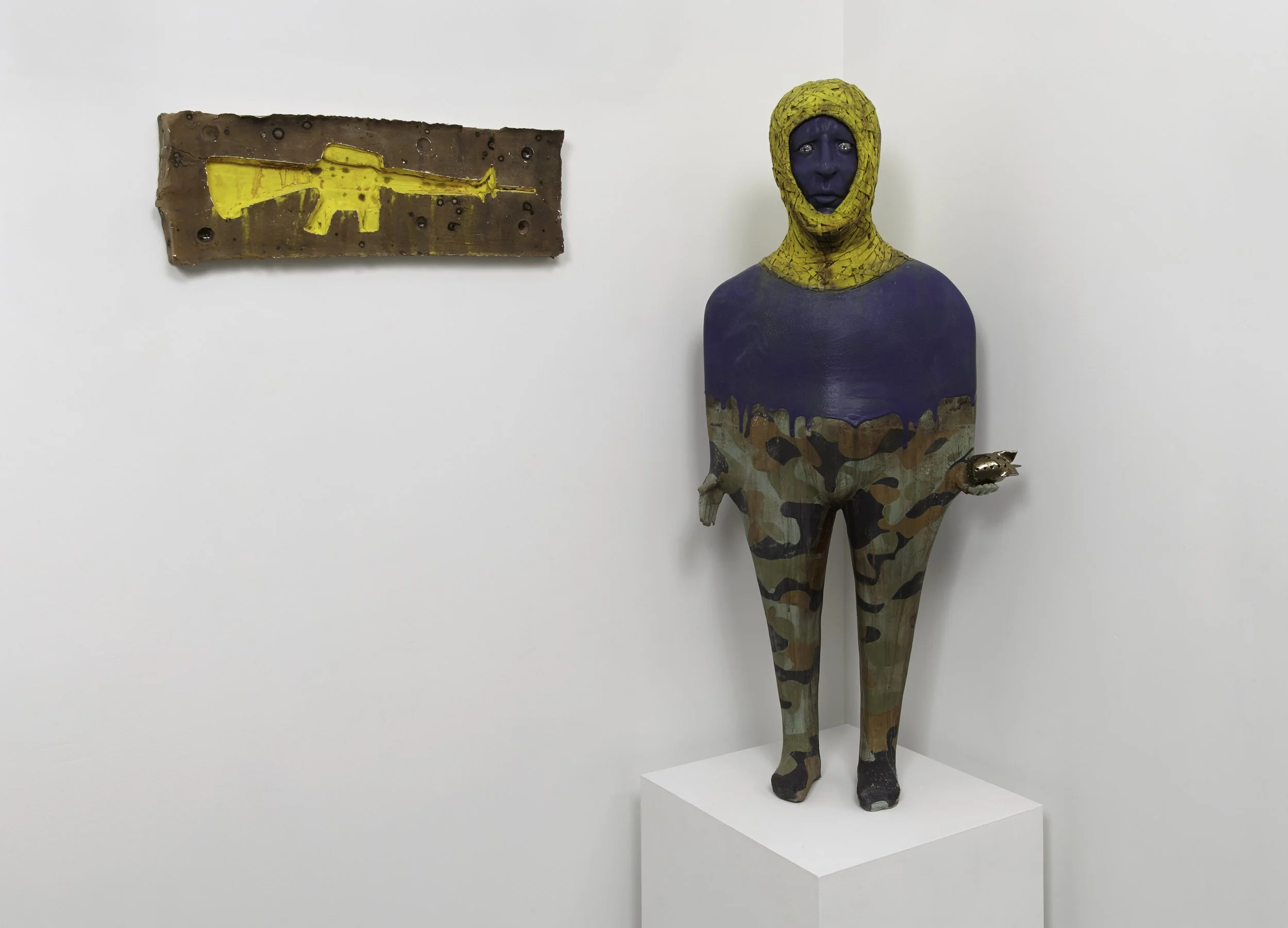
The smaller standing soldiers, the Op 4 grouping, take their name from the opposing forces—the “bad guys”—in training exercises. Two privates are stuck on guard duty; two others scheme for promotion, holding the rank they want in their hands. Opt Out has no rank or medals and reflects my decision to leave the military.
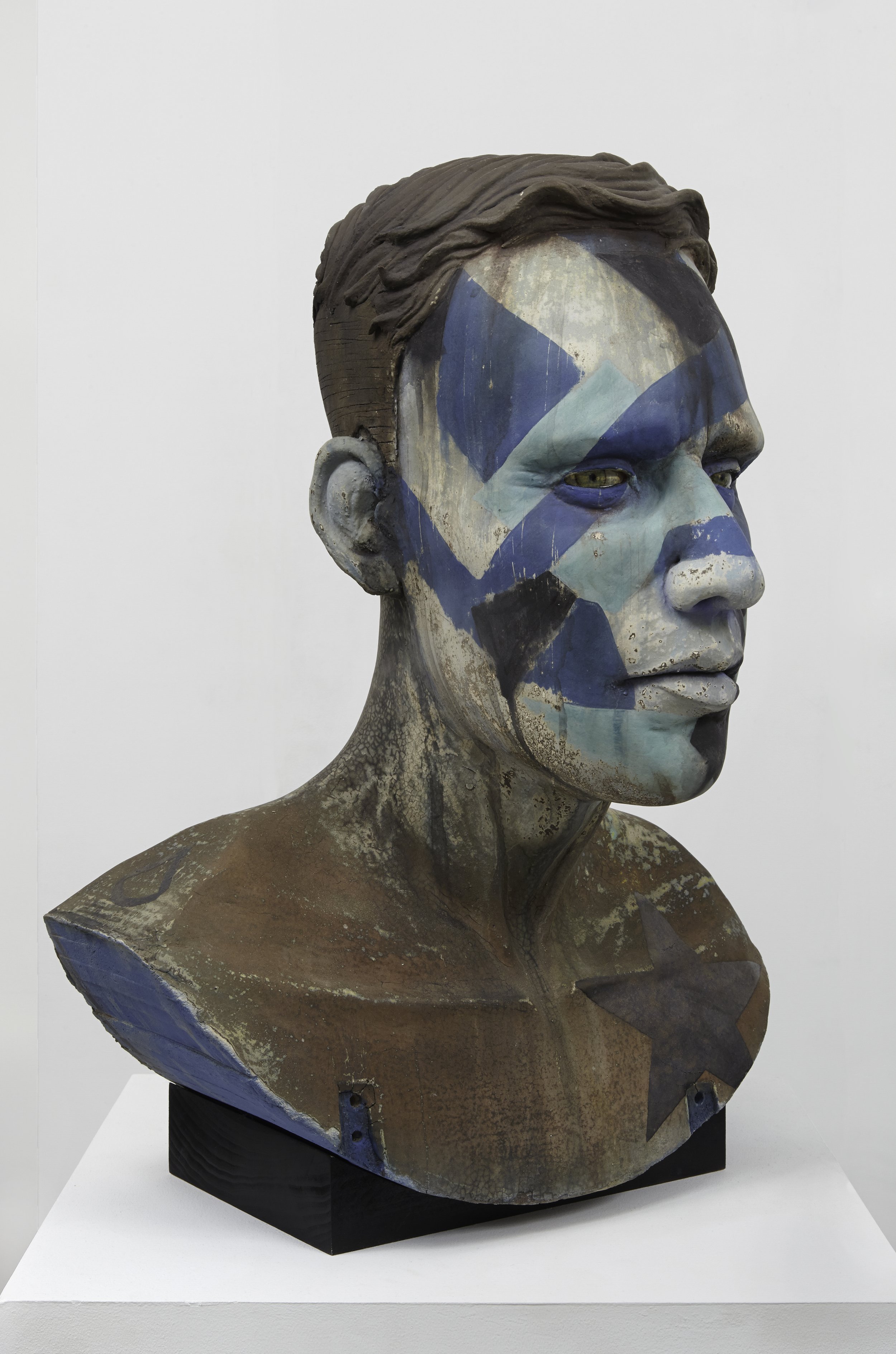
Baret the Bear represents a friend who hid his homosexuality because coming out would have meant being kicked out. Private Dazzle, with “dazzle camouflage” on his face, reflects my own attempts to hold onto a sense of individuality. In the Army, people are trained to dress, think, and react alike. The Gunmen take that idea further: their conditioning as weapons has become a physical part of them.